

New life for the Sako .222 Remington Magnum
The .222 Remington Magnum was a calibre I always wanted. Ballistically, it packs a decent punch for its size but the main attraction for me is that it’s not popular and many people haven’t heard of it, which makes it feel a little unique. Over the years, other calibres took precedence as they better suited my hunting needs. Most of my rifles have a functional purpose. The .222 Magnum became a ‘want’ that, in the end, was purchased simply because I could.
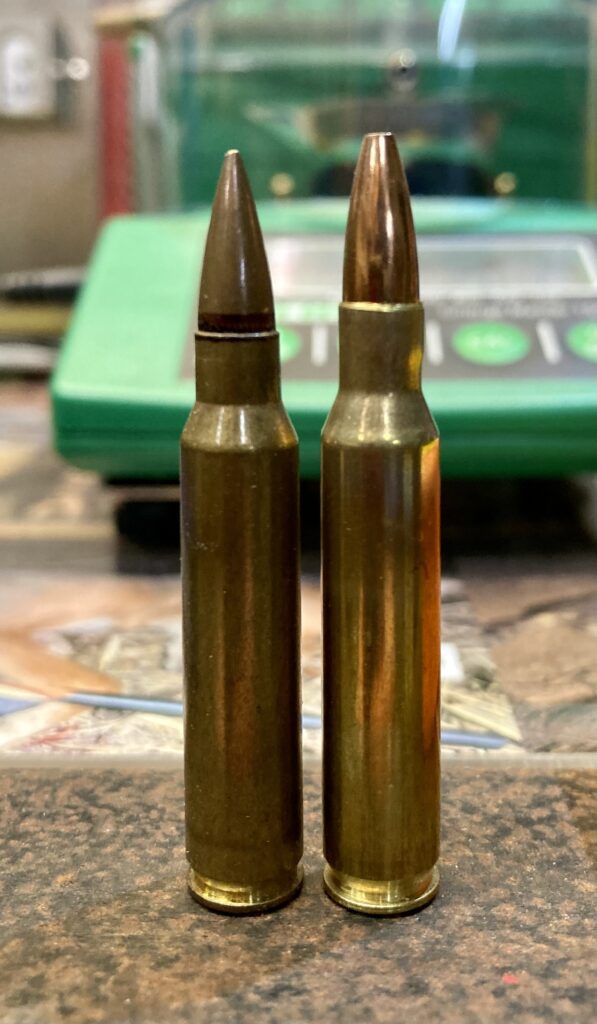
The cartridge was originally developed in 1958 by Remington for the US military to test in their AR 15 rifle. It was not adopted, as they chose the 5.56×45 (.223 Remington) instead. It was, however, picked up and chambered in sporting rifles.
The cartridge was based on the very popular .222 Remington, but the case was lengthened and the neck shortened, giving it about a 20 per cent increase in case capacity. Ballistically, it’s similar to the .223.
So why not choose a .223? Quite simply, I already had .223s in my safe. They have specific purposes and do those jobs perfectly.
The rifle
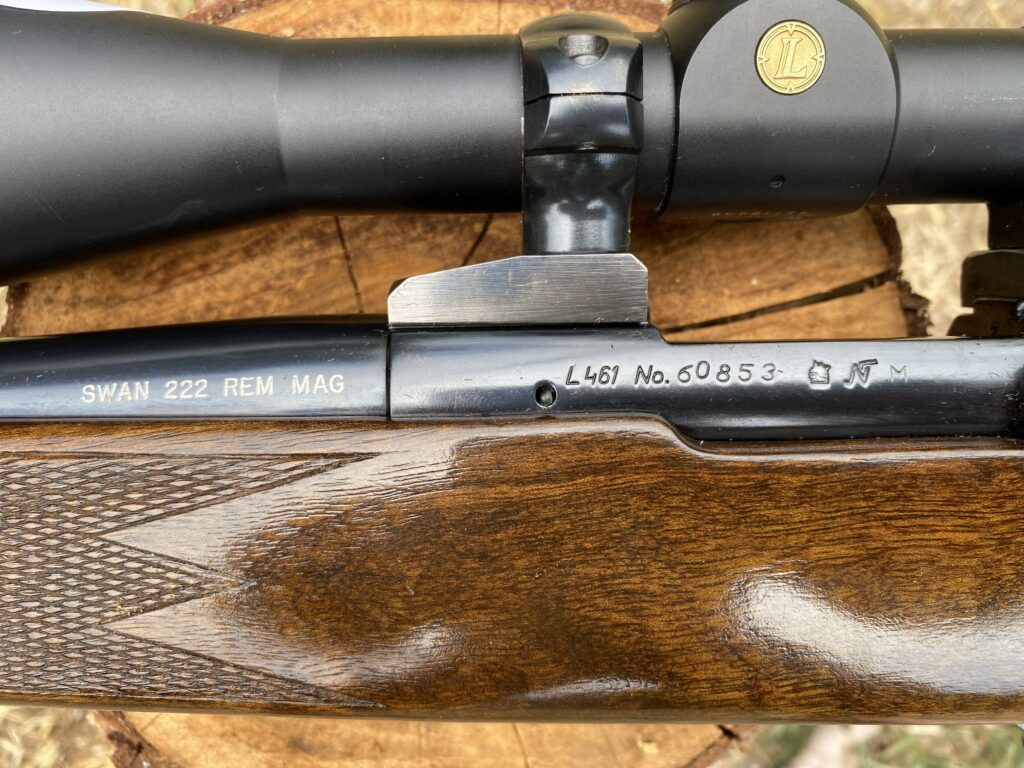
I searched websites like ssaagunsales.com and picked up a second-hand Sako L461. The condition was pretty average but the price was very good. When it arrived, I noticed the barrel was stamped ‘SAKO .223’ but it was chambered in .222 Magnum. This was odd, as many .222 Magnums used the original barrel and were later rechambered to the .223 when ammunition became more readily available. In my case, however, it was definitely the correct calibre, so there was no real issue.
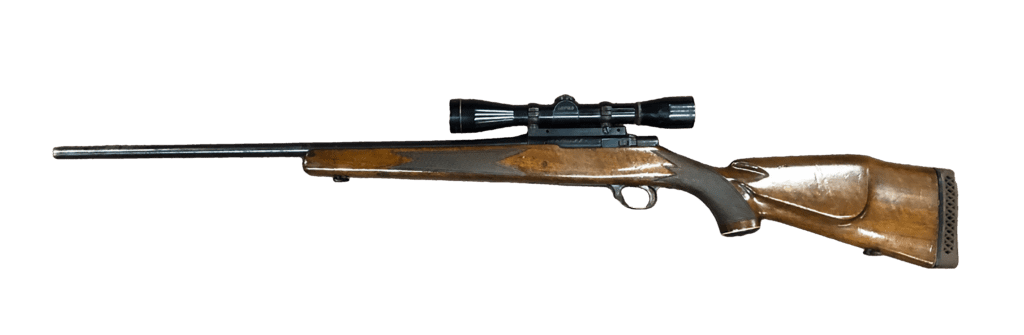
The barrel was missing all of its bluing, with quite a bit of light rust pitting. The stock was well worn, with plenty of scratches and dings in the varnish. The timber itself was plain, with little grain and it sported a particularly ugly and oversized ventilated recoil pad (see before photo).
It was time to bring this old Sako back to its former glory – and hopefully make it as good, if not better, than factory.
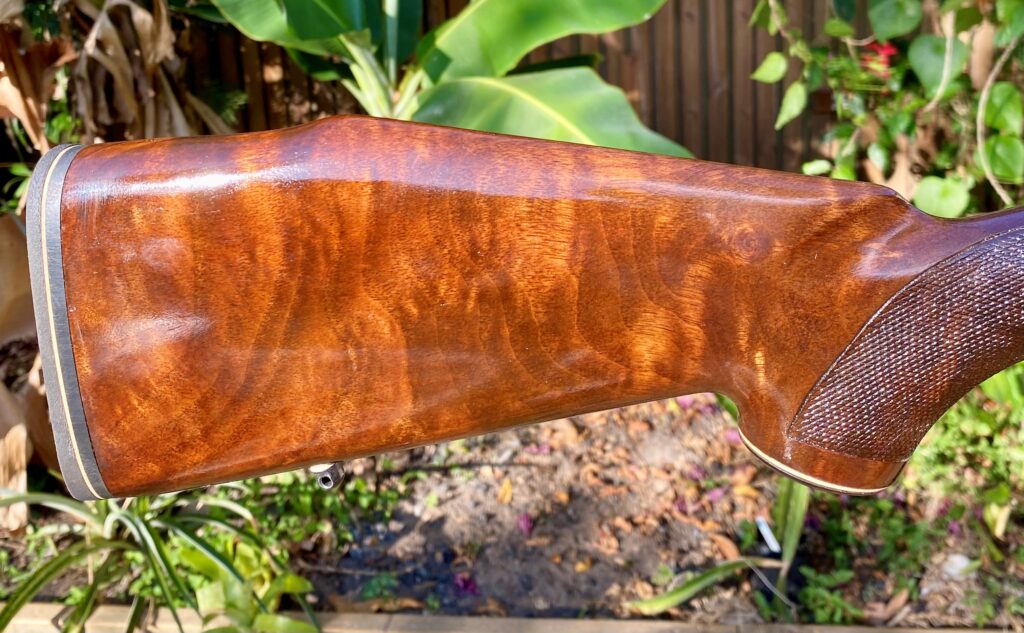
First up, I sourced a second-hand factory replacement stock with a beautiful grain structure much of which had been hidden under old varnish. I stripped it back and went through the process of applying Birchwood & Casey Tru-Oil Gun Stock Finish. I went the extra steps to achieve a gloss finish, which really brought out the grain, especially to the butt of the stock. I also fitted a thin rubber recoil pad with a white line spacer to match the factory spacer on the grip cap. This recoil pad provides a firm grip against the shoulder, preventing the slipping that can sometimes occur with the factory plastic pad.
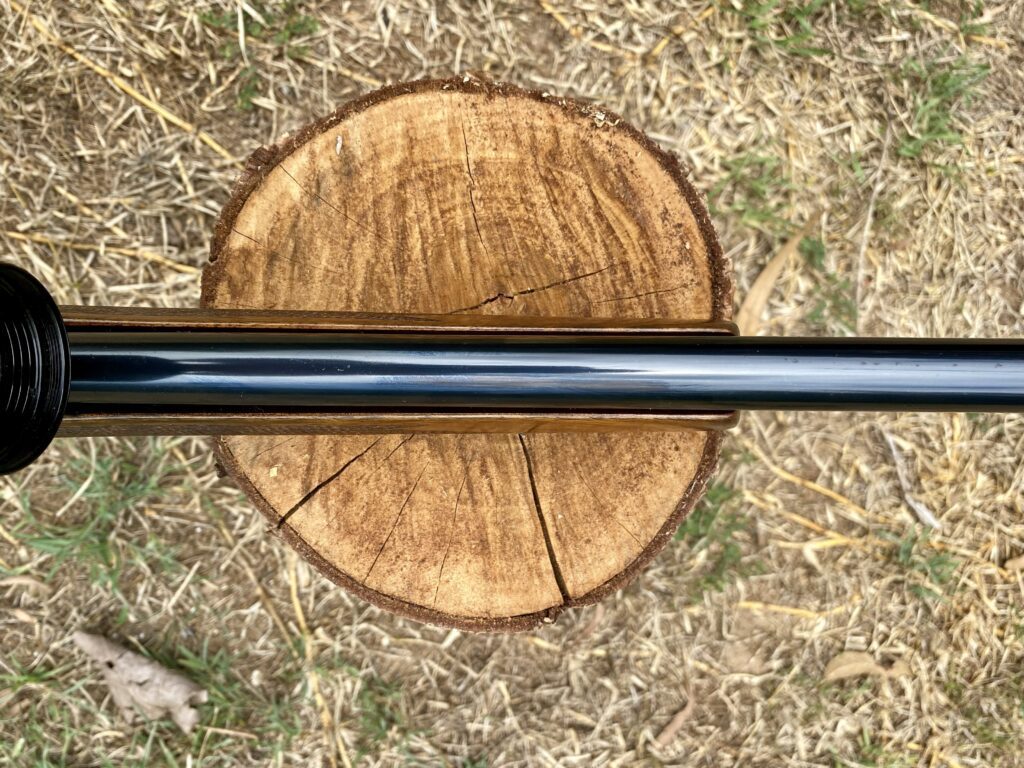
Next came a new barrel, as the original wasn’t grouping tightly enough for my liking. Allan Swan Gunsmithing in Brisbane handled the work. I asked them to retain the original barrel length of 23½” and the same twist rate, while increasing the profile to match the barrel channel of my new stock and keep the barrel free-floating.
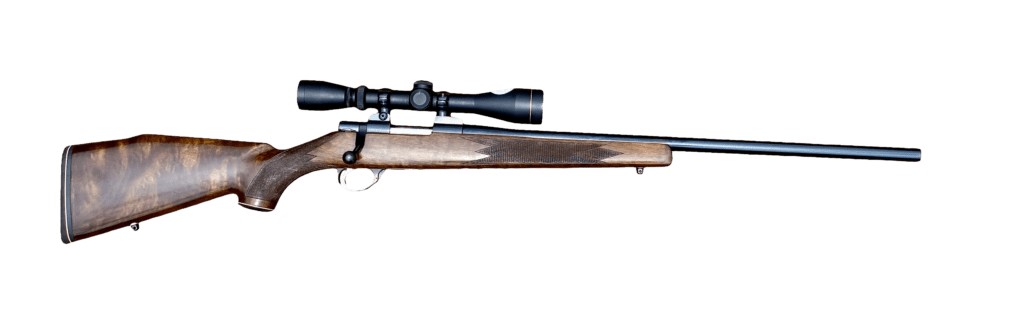
Allan and his crew did this perfectly, as can be seen in the photos. The barrel profile ended up similar to a light varmint barrel, finished with beautiful deep bluing. While the rifle was there, I also had the action and floorplate reblued, and the trigger worked over to produce a light pull with crisp let-off.
Once everything was assembled, it truly became a thing of beauty. The new barrel, rich bluing and vibrant grain in the stock completely transformed the old rifle. It’s a rifle that makes me smile every single time I take it out of the safe.

The scope
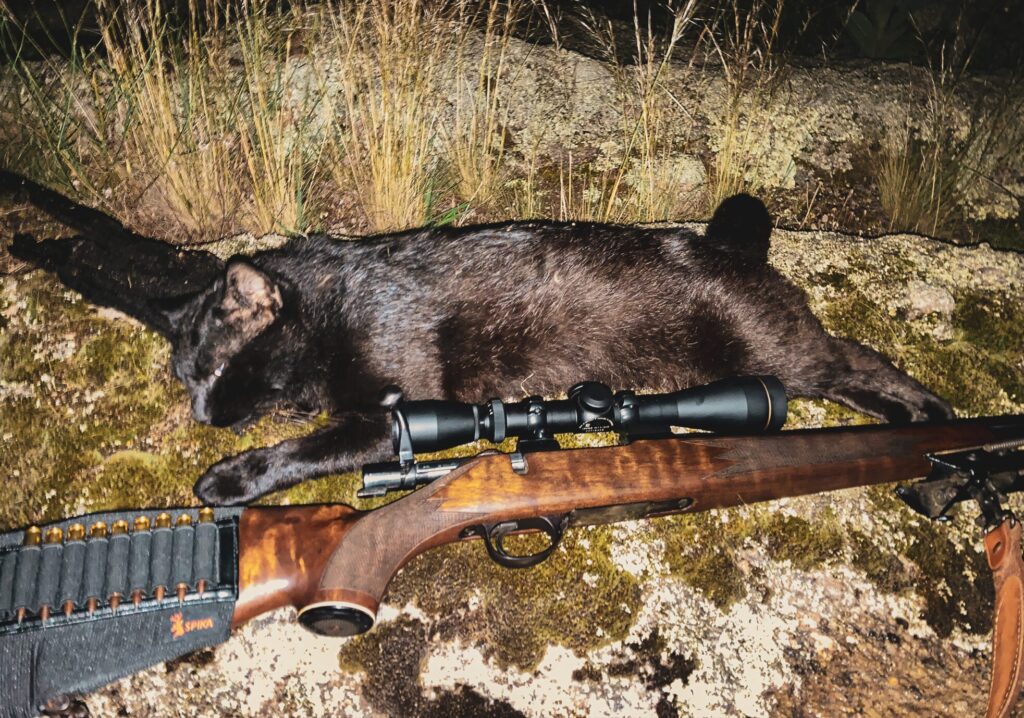
The rifle originally came fitted with a fixed-power Leupold 6x scope. While it’s a great optic, it wasn’t suited to what I wanted from this rifle so I replaced it with a new Leupold Freedom 4-12×40 with a standard duplex reticle.
It spends most of its time set between 8-10x, but for load development and bunnies at longer ranges, the ability to wind it up to 12x is handy. New mounts were also sourced to keep everything looking smooth and rounded, while matching the fresh bluing.
The ammunition
This was always going to be a reloading project. In Australia, factory .222 Magnum ammunition is practically nonexistent, and I really enjoy the reloading process. To me, creating my own ammunition and fine-tuning it to a specific rifle is extremely enjoyable and rewarding.
Nosler and Sako still produce unprimed brass for the .222 Magnum. Nosler sell it in 250-count bags, so I purchased two, which should easily last a lifetime. Federal Gold Medal small primers are used, as they are consistently reliable.
This rifle was primarily built for rabbits on a property that doesn’t hold any game larger than a feral cat or fox. With that in mind, I settled on light, frangible 40gr .22 calibre projectiles. To date, I’ve used Nosler Varmageddons and Varmint Ballistic Tips, along with Berger Varmints. All have proven accurate, with half to three-quarter MOA being the norm.
I run them hard, with my current load of ADI 2207 pushing them at 3768fps. I’ve reached just over 4000fps, but accuracy wasn’t as tight at those speeds. The rifle is sighted-in 38mm high at 100m, giving a verified zero at 205m. This allows me to aim dead-on at small game all the way to that distance.
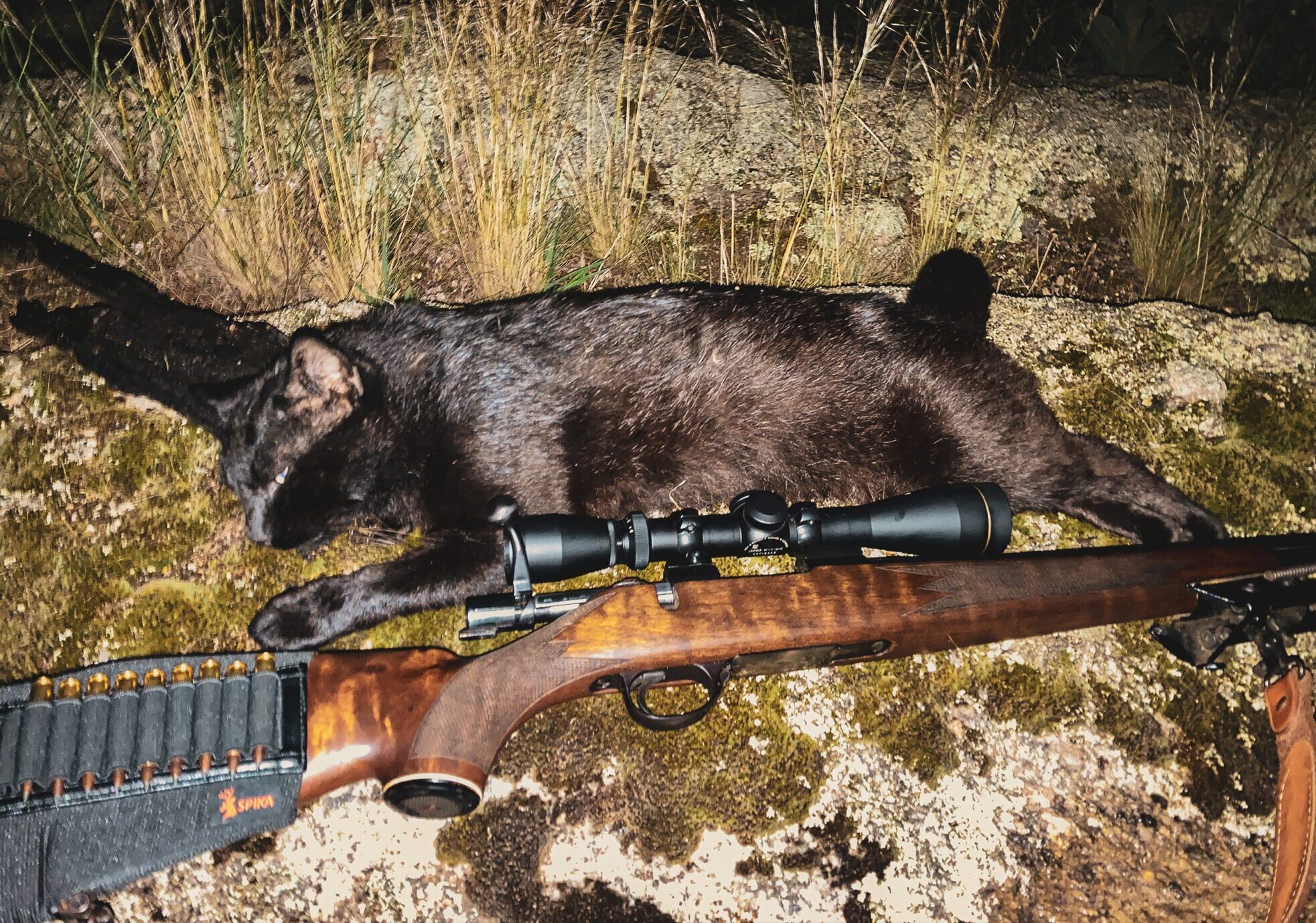
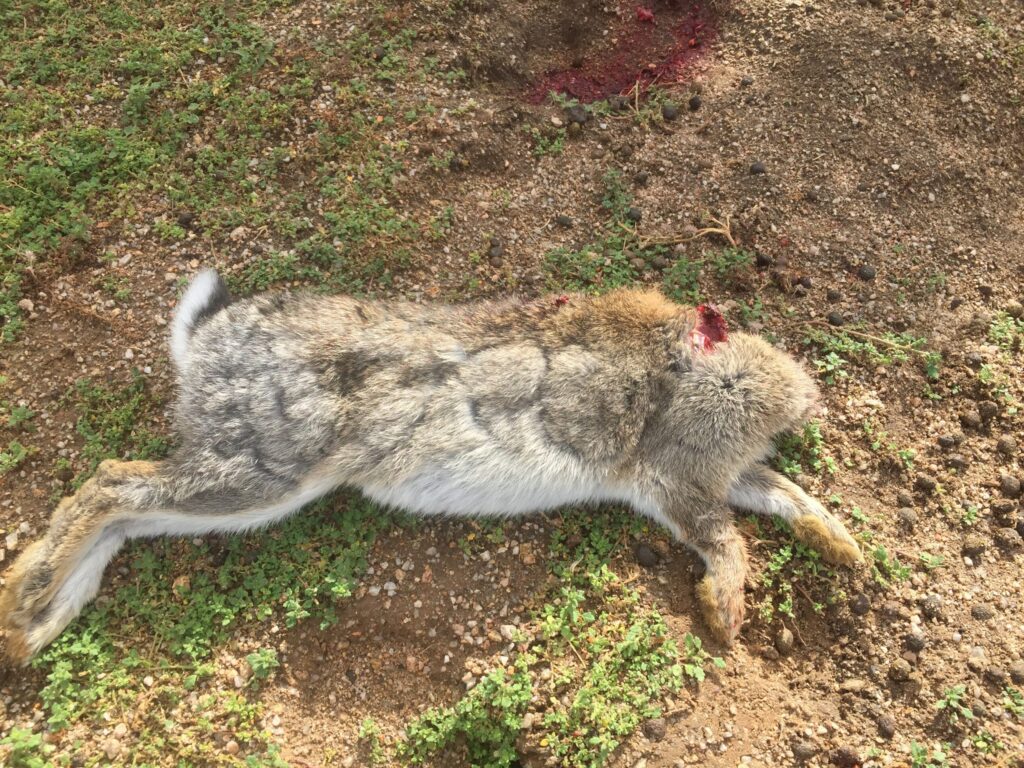
When targeting rabbits for the table, I aim for the junction of the neck and head. This usually removes the head entirely, with no damage to the meat – and one less knife stroke. These projectiles have also accounted for feral cats, all of which dropped on the spot.
Conclusion
There is nothing the .222 Magnum can do that a .223 can’t. From a practicality standpoint, the .223 makes more sense, with readily available ammunition and a wide choice of quality factory rifles.
But if you want something a little different – a cartridge some people have never heard of – or if you enjoy reloading, the .222 Magnum is well worth considering. My Sako looks fantastic, feeds smoothly and shoots accurately, and it never fails to put a smile on my face.
Share this article

Related
Articles

Related
Recipes
Sorry, no related items found.