
Wild game meat and healthier eating
Let’s begin with a few key statistics on population health. No judgment – just some perspective to frame the discussion.
According to the Australian Institute of Health and Welfare, obesity is a major health issue in Australia. The state of Australians’ health is so dire that two in three (66 percent) adults are overweight or obese. That’s approximately 13 million adults.
One in four (26 per cent) children and adolescents aged 2-17 are also overweight or obese. That’s around 1.3 million kids. And if you think that’s concerning, many other countries fare worse than we do. Indeed, Australia ranks 36th in the world in the obesity stakes. And we are 10th out of 21 OECD (rich/developed) countries for the proportion of people aged 15 and over.
- Becoming overweight can happen for several reasons:
- Food and nutrition: Consuming too much energy through food and drink
- Physical activity: Not expending enough energy through physical activity, or spending too much time in sedentary behaviour
- Environmental factors: The easy availability of fast food, increased portion sizes, etc
- Societal factors: Such as media and advertising, influencing attitudes and behaviours around food and physical activity
- Genetics/physiology: Some people may have a genetic predisposition towards obesity
- Health inequalities: Some population/socio-economic groups may face greater barriers to accessing healthy food.
- Whatever the root causes of obesity, our choices and habits all play a role. And it’s fair to say that the food we eat doesn’t just affect our physical well-being, it affects our mental health too.
In this context, I often reflect on how lucky I am to belong to a hunting family. I fondly remember going duck shooting with Grandad and Dad in the 1970s at the age of 5 or 6. When I was around 7 years old, I caught my first fish, a bream, off Lennox Head Beach and we made fish cakes. Later, when I was a 12-year-old, Dad cooked the best feed I have ever had in a camp oven using the wild harvest I had claimed that day – he threw in my rabbits along with onions, milk and some other ingredients from the tuckerbox. Then, at 14, I remember a property owner trying to give my brother Les and I the ‘willies’ (pardon the pun) by cooking up some bush oysters from the goats that we’d helped muster. We weren’t phased and both scoffed down our fill.
It’s this kind of lifestyle that offers a diverse diet, with the added benefit of incidental exercise in wild harvesting. But not everyone is so fortunate. Many urban dwellers have lost their connection to hunting, gathering, farming or even growing their own food in the backyard. Indeed, many have simply lost touch with the outdoors in general. And it’s likely that many of these same people consume the supermarket foods that are the closest, most easily available, cheapest and easiest to prepare. Unfortunately, these same foods are often some of the most processed products available on the market, with hidden fats, carbohydrates, sugars and preservatives.
As they say, ‘You are what you eat!’ And this notion is not a new one. In 1826, French lawyer Brillat-Savarin wrote ‘Dis-moi ce que tu manges, je te dirai ce que tu es.’ This literally translates to: ‘Tell me what you eat, and I will tell you what you are.’ The Germans had the same idea with philosopher Feuerbach observing in 1863/4 that: ‘Der Mensch ist, was er ißt.’ ‘Man is what he eats.’ As they say, the more things change, the more things stay the same – and I for one reckon that this 19th century philosophy still holds true today.
Packaged protein
So, what do we do to keep on top of our dietary choices in a world that offers so many tempting options of variable nutritional value? The first thing is to maintain a vigilant eye on what meats you choose to eat on a day-to-day basis. Consider, for example, the processed foods we buy such as bacon, ham, salami and canned meats. These types of products can be cheaper than whole cuts of meat, but they’re consistently linked with harmful health effects. The problems relate in part to the elevated levels of saturated fats and the chemical compounds that are found in these products, linking them to problems like heart disease and cancer. But it’s not just the meat that seems to be the issue. Studies indicate that people who eat a lot of processed meat also tend to make other lifestyle choices that aren’t good for them too. And this increases the correlation between processed meat consumption and various chronic diseases.
Meanwhile, on the high-quality end from butchers, we’ll find meats like grain-fed beef. While a prime rib-eye cooked properly will taste damn good, the soft, tender texture is largely caused by the high levels of intramuscular fat in the meat, which we know as marbling. To achieve the ‘best cuts’, cattle are selectively bred to metabolise fat slowly, fed grain to increase their weight and enjoy a low workload lifestyle to help keep the fat within the muscle. The Heart Foundation tells us that about 50 per cent of the fat found in a cut of beef is saturated fat, which is linked to increases in cholesterol and the risk of heart disease. And this means that, while the steak on your plate may leave you licking your lips, over-indulge and you’ll likely join the ever-expanding ranks of Australia’s overweight. It’s any wonder that the Foundation recommends limiting our intake of beef, pork, veal and lamb to 350g per week.
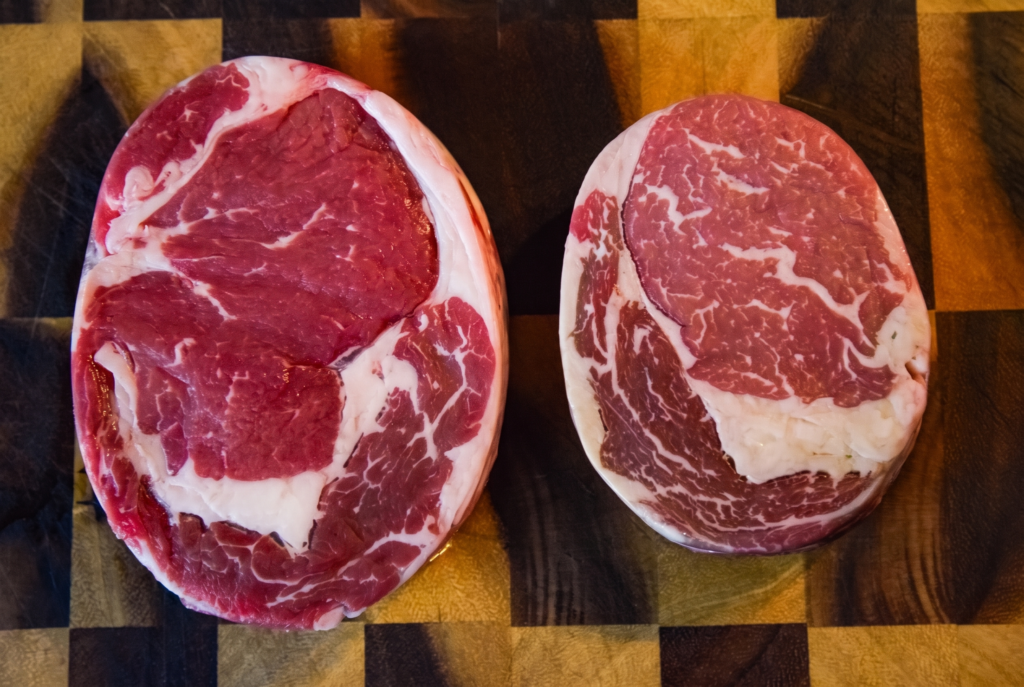
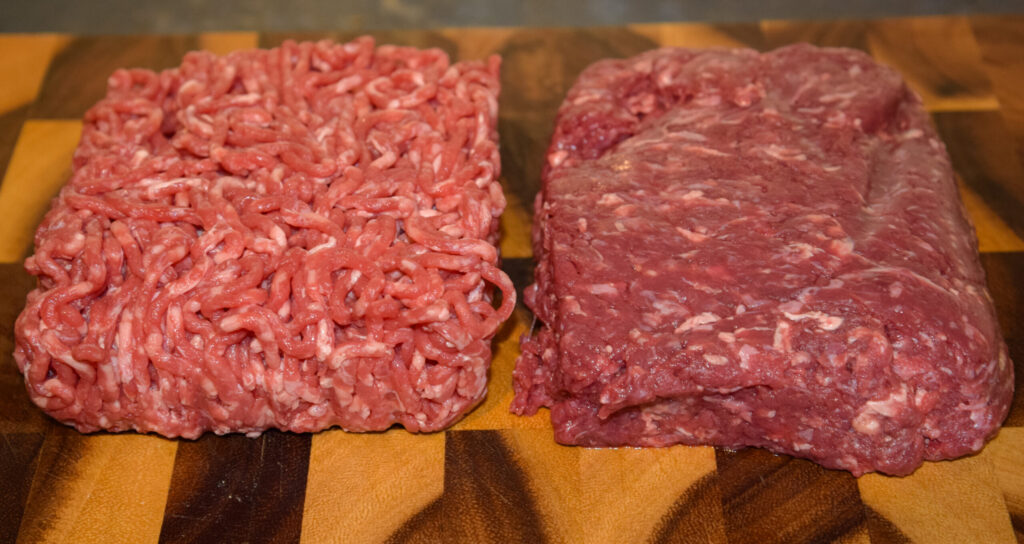
There are plenty of other readily available meat options with a higher nutritional value and lower fat content than is found among the standard range of domesticated ruminants. Scan the shelves for companies like Gourmet Game Meats, K-Roo and others for kangaroo, venison, wallaby, croc, emu and more. But many fall outside the mainstream choices of most Australian shoppers. For example, how many people walk past the kangaroo steaks and mince in the fridge at the local grocery store without stopping? While many relegate kangaroo meat to pet food, it’s a great substitute for beef. It’s super lean, being 98 per cent fat free, and is lower in calories and fat compared to domestically farmed beef, lamb or chicken. Kangaroo is also higher in protein and iron, and a good source of omega-3 fats and zinc. Further, compared to lamb and beef, it contributes the same amount or more in B-group vitamins to the diet, including riboflavin, niacin, vitamin B6 and vitamin B12. The reason kangaroo is so nutritious relates directly to the way the animal lives. Specifically, kangaroos roam freely and must work for their natural diet, ranging from grasses, ferns, mushrooms and shrubs.
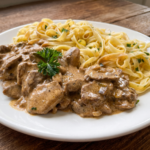
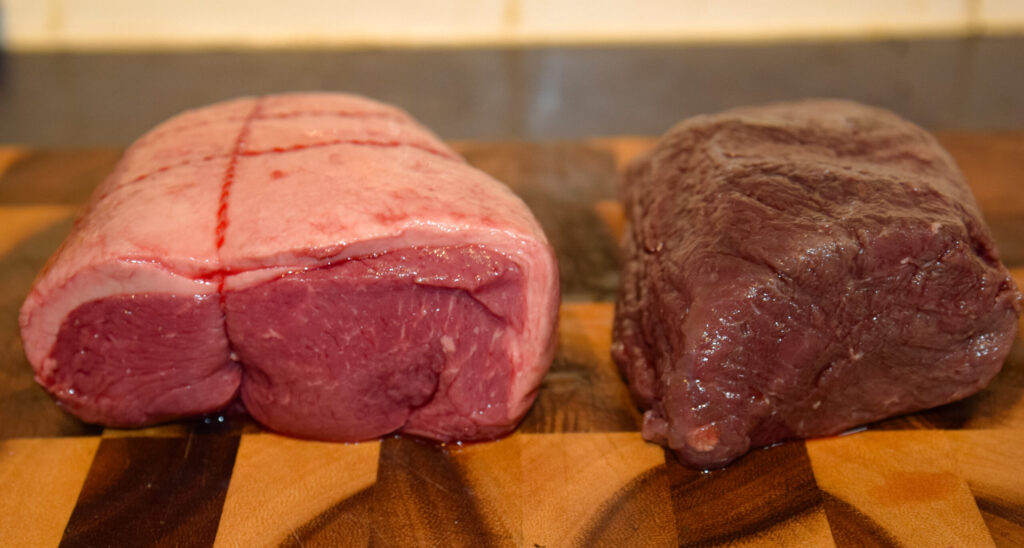
Although more expensive than kangaroo, venison is another prime example of an underrated meat. Venison is a reliable source of vitamin B3, vitamin B5, thiamine, riboflavin, niacin, iron, zinc and selenium. Even when confined by pastures and provided with a rich diet (including feed supplements of alfalfa, oats, soybeans and molasses), deer do not accumulate fat at the same high rate as other livestock. So, their meat stays leaner and lower in fat than beef, lamb or chicken.

Wild thing
While I’ll happily buy kangaroo, venison and rabbit from the shops, I value being able to hunt for and serve my own wild harvest. But friends and colleagues, particularly those from the city, rarely share my enthusiasm. When offering them wild harvest, I’m often faced with a reaction such as ‘eww’ or ‘game meat is tough’ or ‘I can’t stand the gamey taste’. I can handle a knee-jerk reaction against game meat from someone who’s genuinely had an unpleasant experience in the past. I simply then take it as a personal challenge to produce a cracker game-meat meal to help balance out the equation. But I do get concerned when a negative view comes from someone who’s never tried wild harvest before in their lives.
Indeed, I never cease to be amazed at why such reluctance exists. After all, modern humans only developed agriculture 10,000 years ago after 200,000 years of consuming a wide variety of wild plant and animal material.
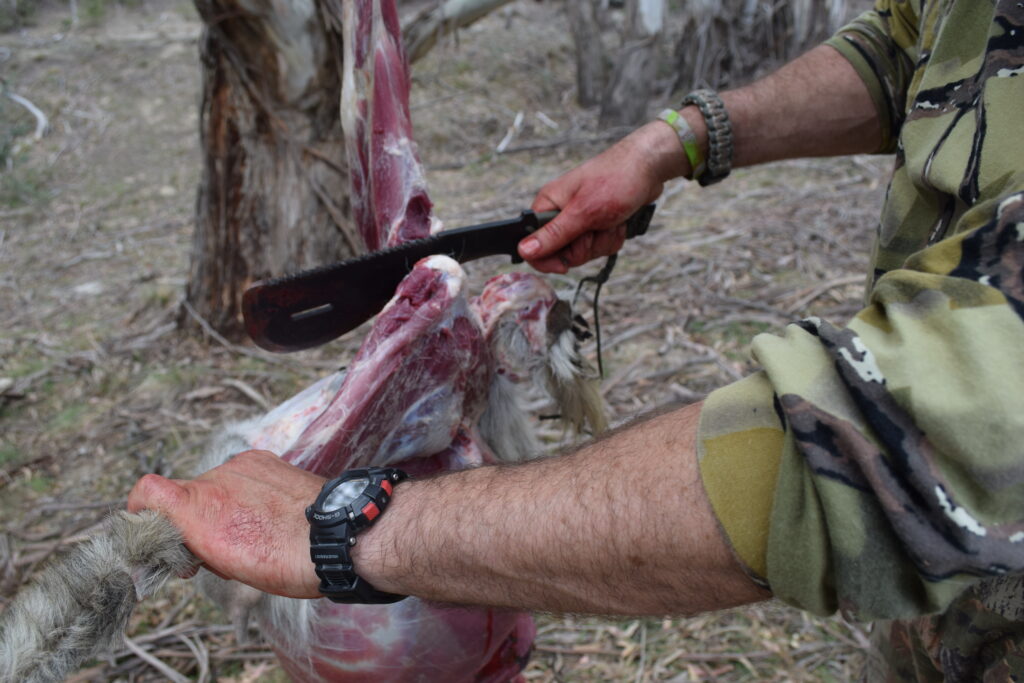
The reality is that, as hunters, we play a huge role in determining the quality of our wild-harvested meats. For example, a clean kill must be achieved to prevent adrenaline in the animals’ blood. Equally, if the game was shot during their breeding season/cycle there will be all sorts of hormones surging through both males and females. This all taints the taste of the meat. By contrast, a clean despatch out of breeding season will taste so much better. And both in-season and out-of-season animals will benefit from bleeding as soon after despatch as possible.
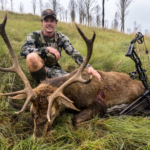
It’s true that there will be an inevitable difference in flavour and texture between the meat we catch in the wild and that which is raised in a domestic farm setting. For example, farm-raised deer have had their lifestyle, diet, lifespan and method of despatch all tightly controlled. So, there is consistency in the texture and taste of the meat. By contrast, wild-harvested venison comes from an animal that ate all kinds of browse items such as herbs, bark, shrubs, twigs, wild grasses and improved pasture if near a farm. Because of the active lifestyle of wild deer, venison from such beasts will be drier, denser and firmer than farm-reared deer, and far more so than beef or the meat from other domesticated livestock. The result is a different mouthfeel, and a more tangy or savoury taste in comparison to sweeter-tasting venison, beef and pork. While different from other meats, this doesn’t make it less flavourful. It’s all a matter of perspective – whether your mind is open to enjoying the meal for what it offers. The quality of the food preparation also plays a huge role.
Targeting tastebuds
The truth is that there are several factors at play that feed people’s reluctance to venture beyond standard cuts of domestically farmed meats. Based on personal experience, and discussions with a mate who has been a professional chef in several 5-star restaurants in Sydney, I believe it boils down to the following issues:
- Many people are genuinely scared of, or have been peer pressured against, game meat or wild-caught fare due to societal conditioning
- Identifying it as ‘wild caught’ forces people to acknowledge it has been killed rather than produced wrapped in plastic at the supermarket
- Some ‘lay-chefs’ simply do not know how to prepare nor cook game meat (and can’t be told otherwise)
- Many people are presented with the latest trophy for dinner. In these circumstances, the flavour will be affected by many variables, as already discussed.
Generally, multiple problems are at play – a combination of factors like using the wrong cut from a tainted beast, cooked incorrectly and presented poorly.
So, what does it take to shake off people’s conditioning against game and wild-harvested meats? When Kath and I were married at the National Zoo and Aquarium, our caterers distributed platters of kangaroo, emu and crocodile hors d’oeuvres. Preoccupied by the joy of the event, very few guests baulked at the offerings. Some happily took to their canapés observing that it was kind of like eating the exhibits, meanwhile others hoed in, simply refusing to believe that they were eating anything other than lean beef or some kind of meaty fish. Regardless of their perspective, everyone who tried the food was delighted with the way it tasted.
Why did this happen? Probably because the vibe was right, the chef’s food preparation was spot on and the setting encouraged people to simply go with the flow. This experience probably explains why I hold barbecues at home where I cook up wild-caught food and don’t tell people what they’re being served. And I haven’t had a complaint yet!
The bottom line is that wild-harvested meat, whether it’s goat, rabbit, venison or kangaroo, needs to be managed differently from meat sourced from domestic animals. In general terms, its comparative leanness will mean it needs to be cooked either low and slow with adequate resting time or hot and quick.
Share this article
 Website
 Facebook
Related
Articles