

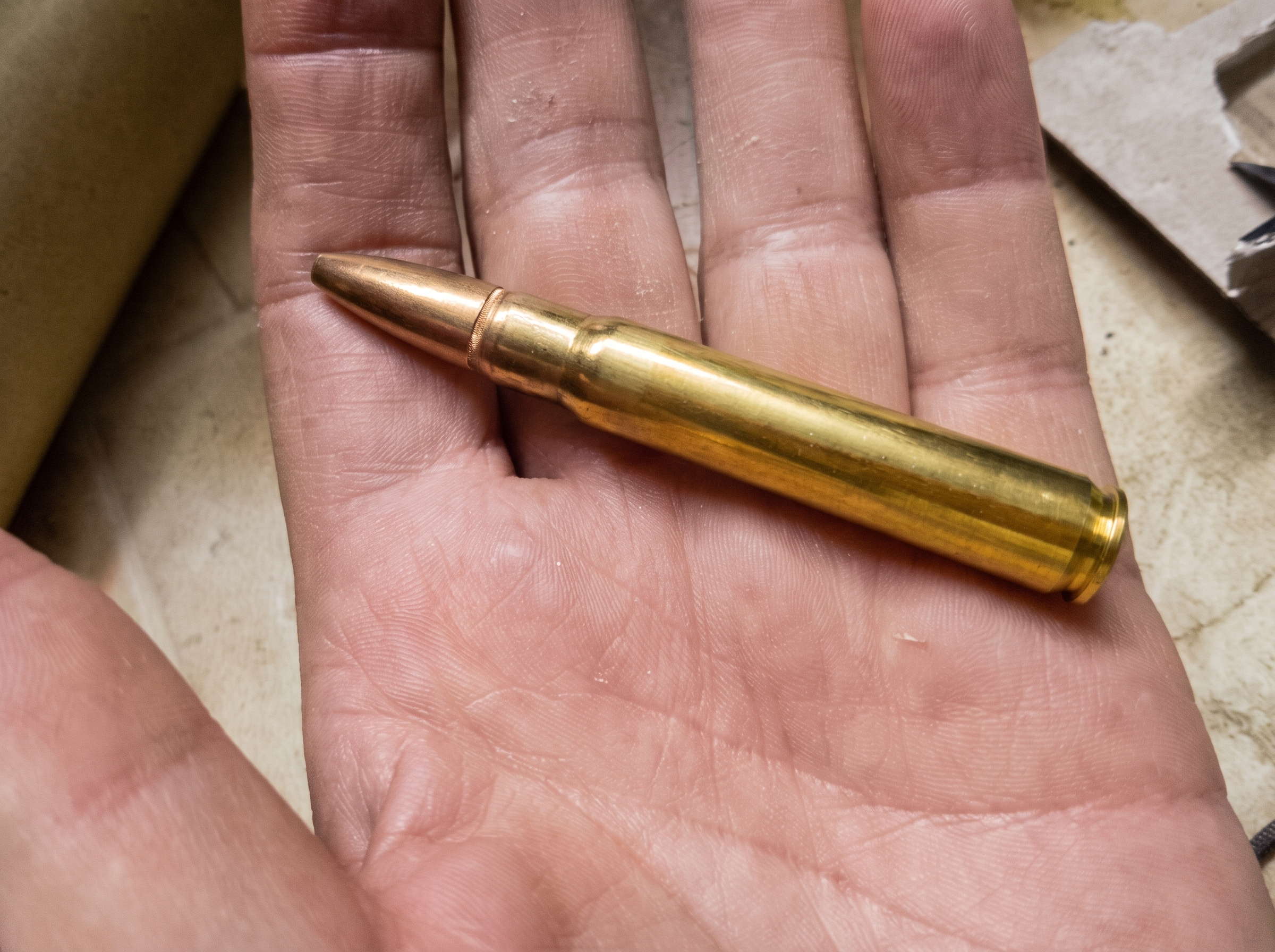
The 9.3×62 from Africa to Australian buffalo
To a lot of people this cartridge is probably not on their radar. It was, after all, specifically designed for Africa. More specifically for the German settlers there, most of whom could not afford the expensive rifles carried by well-heeled sporting types who hunted big game in the earlier part of the 20th Century. It’s actually been touted as being the definitive African cartridge.
German cartridge designer Otto Bock was a realist who knew the plight of the struggling farmers populating much of German East Africa in those days. He realised that there was a great need for a cartridge that would be able to anchor big game that many of these farmers shot for meat, or just to keep them away from the crops they were trying to tease out of the hard ground. Those folks could shoot too. They had to, even in the interests of economy.
So, the 9.3×62 ended up taking an assortment of African game, many of which it would not be allowed to in these more enlightened times. Another factor that made this cartridge popular was that it fitted well in the standard-length Mauser 98 action, which were plentiful at the time. It offered reasonable cost, coupled with substantial energy, and was easy to acquire.
It fell into disuse around World War Two but has experienced a resurgence of interest in more recent times. Its nearest ‘competitor’ would be the .35 Whelen, which has been popular in the US for some time, although the 9.3×62 will better the Whelen cartridge in the big game stakes. This is one reason why a lot of shooters in the US are turning to the 9.3 as a viable alternative.
As far as muzzle energy is concerned, it ranks just short of the .375 H&H, but enough to be lacking as a ‘stopping cartridge.’ Shooting cranky Cape buffaloes with this cartridge was something of an each-way bet. If you shot them in the right spot and they dropped you were okay, but if you messed it up and confronted one crankier than usual, you might be in a bit of bother. Writer Robert Ruark has said that the Cape buffalo looks at you as if you owe him money. Our water buffalo can develop a similar disposition.
We have probably all heard about the freakish accuracy of WDM Bell and his exploits with elephants using small calibre rifles. Well, not too many are in his class, which is why most of those who go after big game start thinking anything less than a .400 calibre to be way too small.
There’s no doubt though that the 9.3×62 did take a lot of the bigger African species, and in some parts of the continent it’s still legal to use it on buffaloes. But is it advisable? I doubt it.
There are all sorts of stories about people shooting plains game in Africa at 300m, but to my way of thinking there are far better cartridges for that job. The 9.3 calibre is classed as a medium bore and that means it’s not a long-range proposition. It does its best work inside 200m and the shorter the range, the better. Muzzle energy is just that; at the muzzle, and bullets for the 9.3 are not known for high ballistic coefficiency. In other words, velocity drops off fairly smartly.
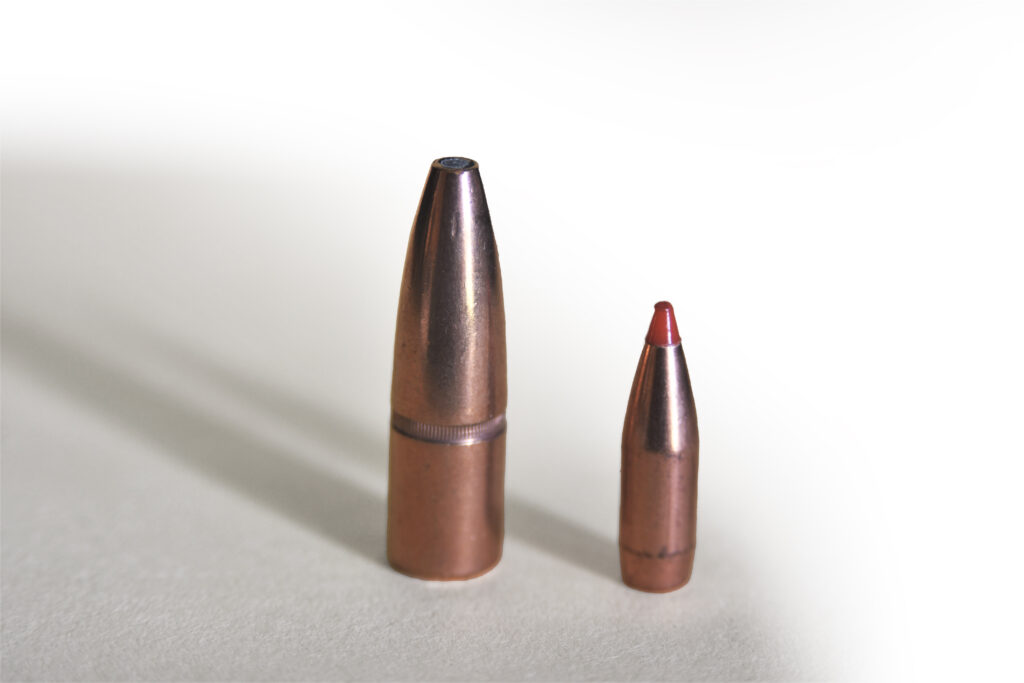
I never chronographed my loads but my Woodleigh loading manual tells me that those 286gr Woodleigh Protected Point bullets were leaving the barrel at around 2350fps. That’s a rather stately speed by many of today’s standards. In fact, my loads may well have been going a little slower, due to the short barrel. Regardless, the cartridge is best used for what it’s good at – a heavy calibre bullet that will penetrate at short to medium range.

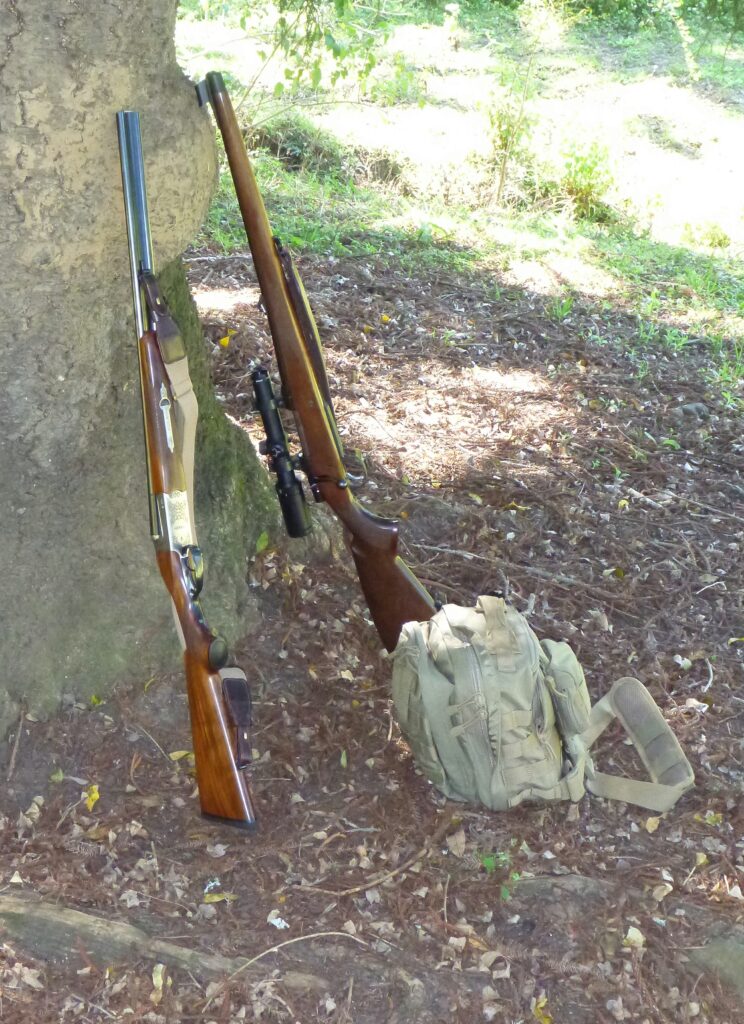
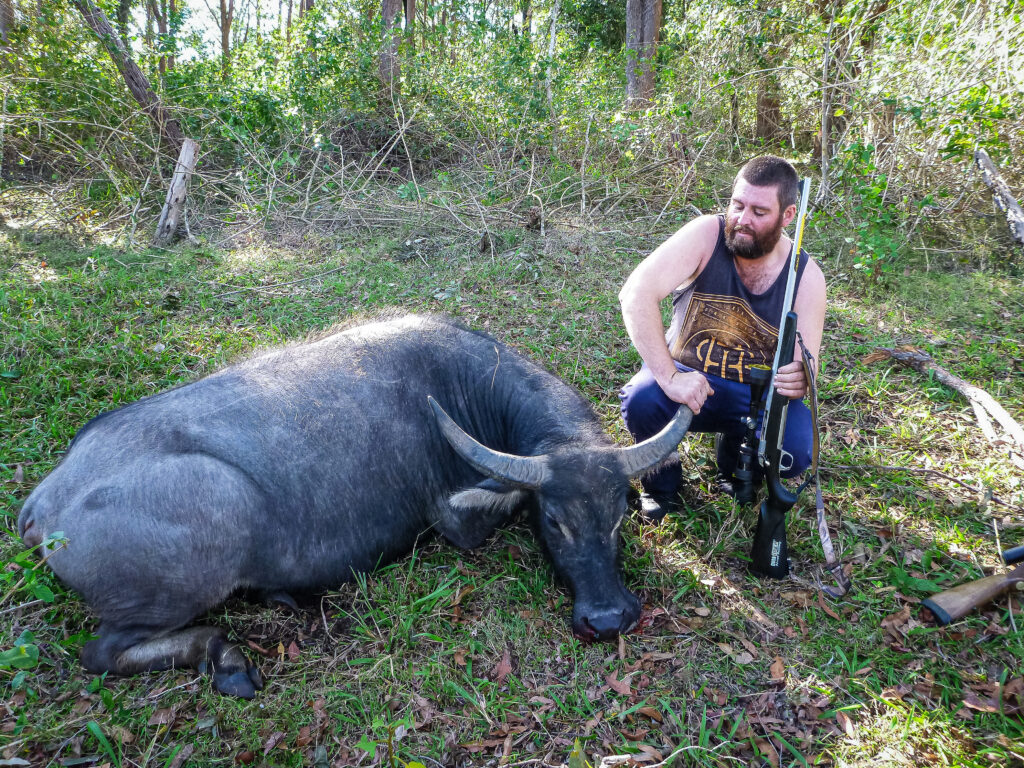
I did a little water buffalo hunting a while back and bought a nice CZ 550 in 9.3×62 for the job. It killed a few buffaloes, but I found it lacking for reliable head shots on these tough animals. Its forte was the heart-lung shot loaded with Woodleigh 286gr Protected Point bullets. These had the penetration ability to ensure the job was done, but then I had also killed a couple of buffaloes using a .308 Winchester on the same target area.
The rifle had a full wood stock, 22″ barrel and a 1-4 power Bushnell scope. It pointed like a good shotgun and was light and easy to carry. The Mauser style action that CZ use fed rounds as reliably as sunshine, and it was incredibly accurate, although using this rifle off the bench was a bit punishing. I ended up selling the rifle, even though I loved both the rifle and the cartridge. I wasn’t keen on keeping something I wasn’t using anymore.
The 9.3 calibre is still popular in Europe and can be had in a cartridge called the 9.3×72 Rimmed, which is usually chambered in drillings and double rifles. This latter cartridge has a longer case than the 9.3×62 but has less powder capacity due to its long-tapered design.
This also means it has less power, but once again it’s mainly a European choice and used on moose and wild boars. There is also a rimless 9.3×64 Brenneke, and this one actually can be loaded up to rival the .375 H&H. However, some alterations to the magazine may be required to operate the longer cartridge.
This cartridge is almost certainly best utilised as a handloading proposition. Because while factory ammo is still available, much of it tends to be a bit underloaded, in deference to some older rifles that may still be around. I found that ADI 2208 was an ideal powder and used Norma brass, although Sellier & Bellot is much cheaper. I didn’t need a lot of brass as this is not a cartridge that you’ll be firing off extensively at targets.
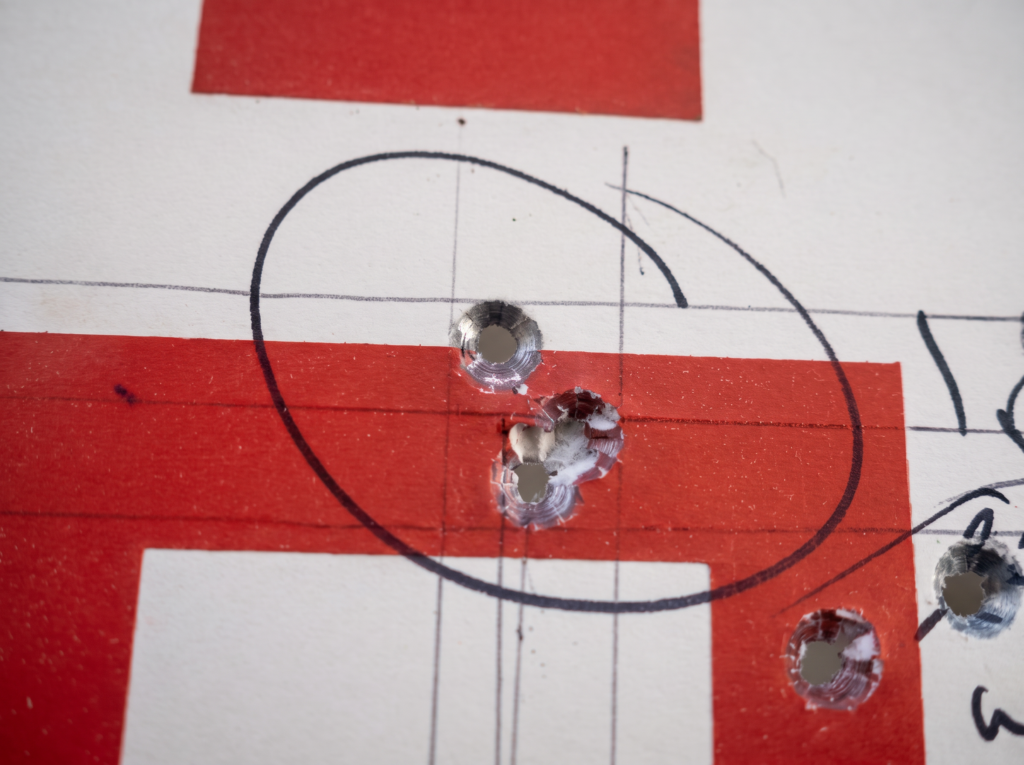
So, I went for the better-quality stuff. Three-shot groups are definitely the go here. As I said, my bullet choice was the excellent Woodleigh 285gr Protected Point. It features a decent cannelure and crimping on this cartridge is a sensible idea.
Some writers have stated that you can neck up and trim .30-06 cases, but I’d rather not. There is a tiny difference in the original design which often means the rim is slightly larger than the .30-06. I’ve sometimes found this to be true of some 7×57 cases too, where the case simply will not fit into a standard .308 size shell-holder. Using the standard case is a better option.
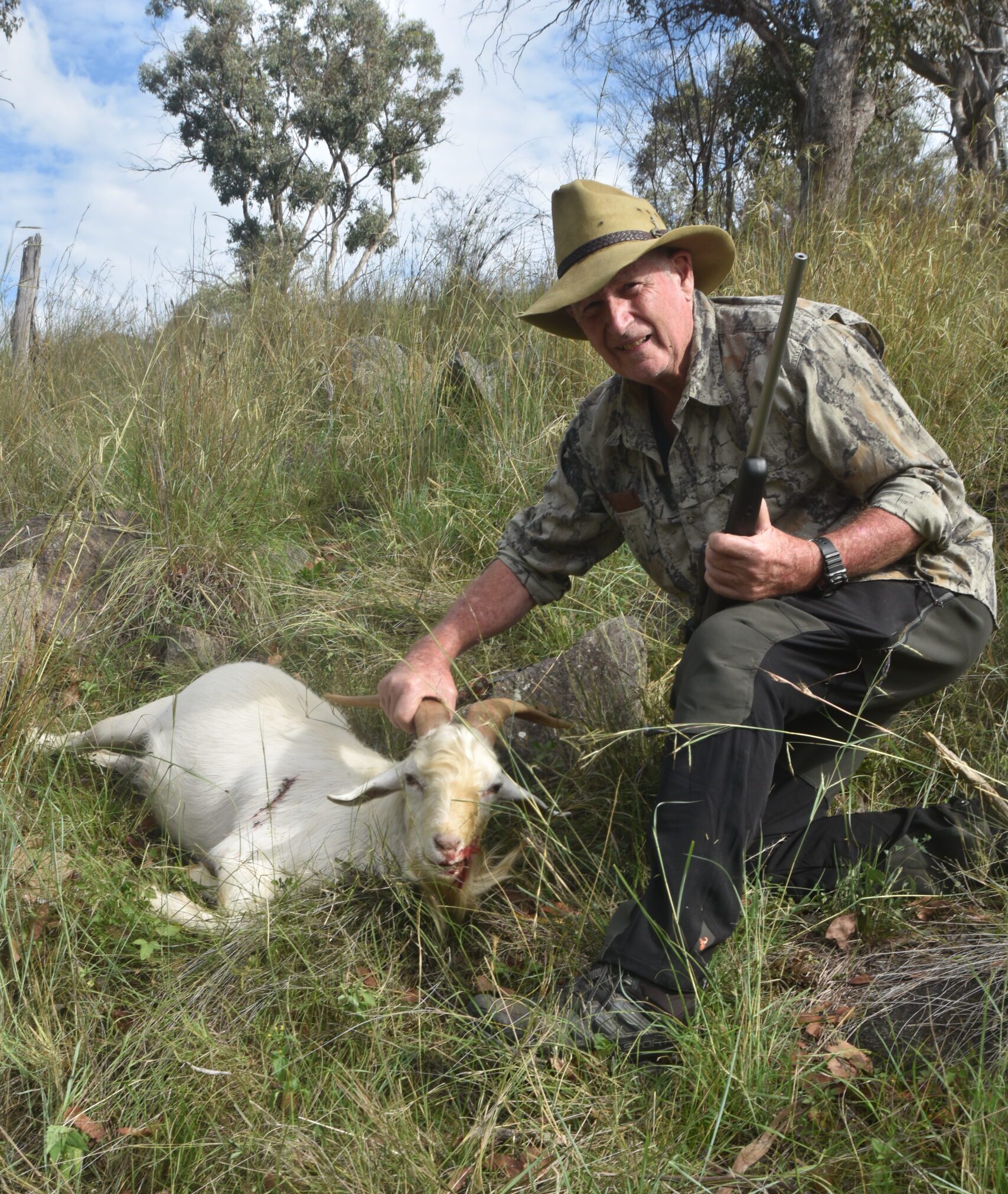
So, while I’d still be confident in hunting water buffaloes with this cartridge, what else can you point it at? Some folks swear by it as a sambar round, others like it for pigs, but the fact is those animals can be easily killed with something less expensive to shoot and with less recoil. Even so, many of us are fascinated by certain cartridges and will always find a reason to use the one we prefer. And in any case, using any cartridge with this sort of ancestry may be reason enough.
Share this article
Related
Articles

Related
Recipes
Sorry, no related items found.