
Five days in alpine sambar country
Hunting in our late 30s has changed considerably compared to our 20s. Years of experience have led to greater chances of success; however, getting away now takes far more planning and preparation. Work commitments, and more importantly family evening routines, must be finalised before the late-night drive begins. Like so many previous alpine sambar hunts, the journey occurs in the dark, often arriving with little to no sleep before kicking off the grind.
On this hunt, Andy and I planned to take two vehicles. One to be parked low on a stream, while the other would take us high into the country before dropping in and working the water back down to the second car. In theory, we would cover about 50km of prime high-country sambar habitat over five days.
To assist with our plans, we decided pack rafts would lighten the load as we explored downstream. The hike in was going to be a 16km downhill slog, but knowing we could drift much of the remaining distance to the second vehicle took the edge off, at least mentally.
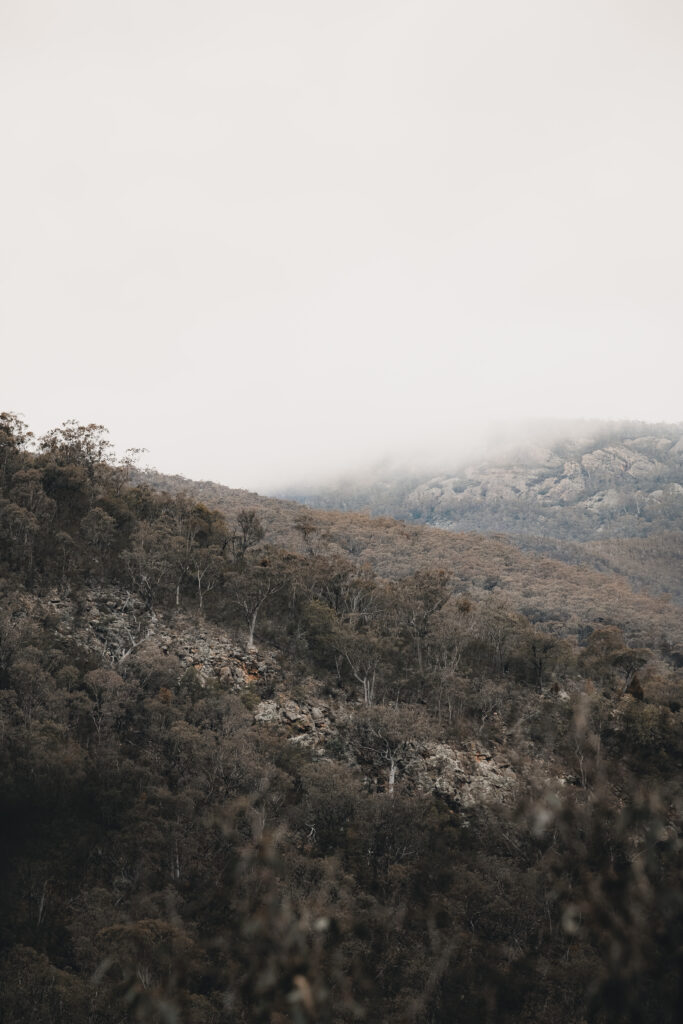
As we gained elevation in the ute, snow began to appear along the track edges. A large weather event two days earlier had blanketed the ski mountains, but visible tyre tracks gave us confidence we could push through. Small patches of snow soon became a dense covering on the shaded side of the mountain, building to depths of 30-40cm in places and scraping the chassis on occasion. Whether it was fatigue or stubbornness, we pushed on. Conditions worsened quickly and our optimism turned on a dime as traction became difficult in the hard-packed ice in the deep ruts. Without the right gear to tackle it, retreat and reassessment were the only two options.
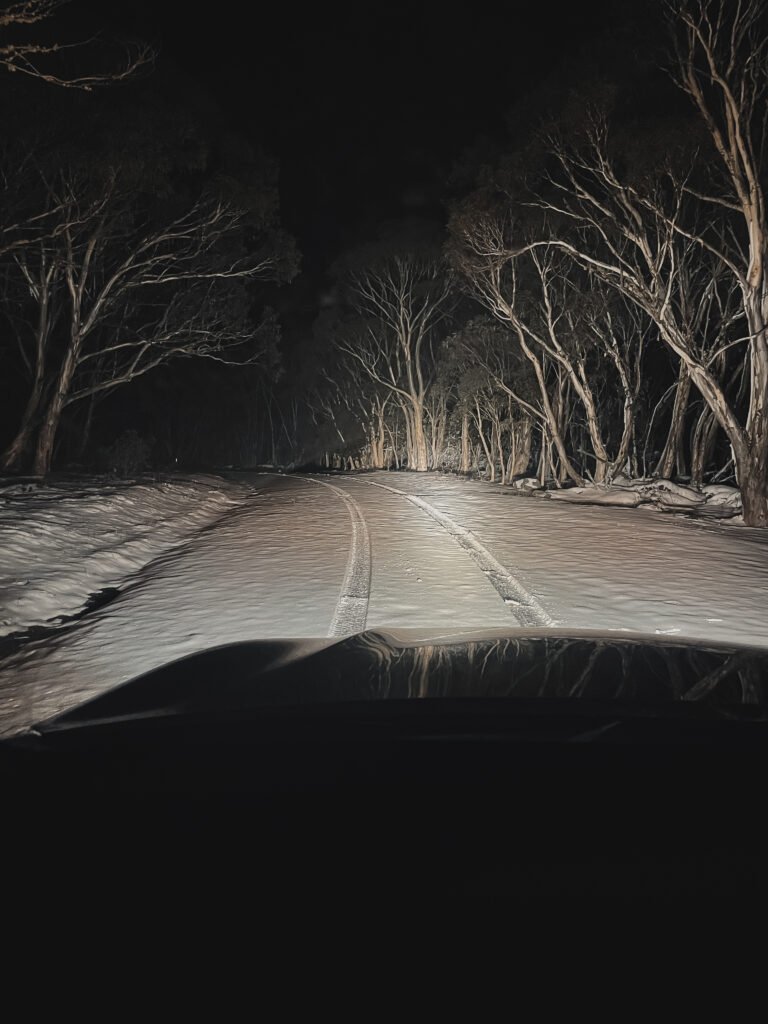
The retreat wasn’t pretty, but we managed to turn around and head back toward the second vehicle. It was nearing 5am, so we parked both cars together at the bottom of the stream and opted to hike in, cutting up and over a saddle to drop into a campsite we had planned to use on the third night. Unfortunately, this meant missing out on the first stretch of river we’d hoped to explore, but hunting often demands a flexible plan.
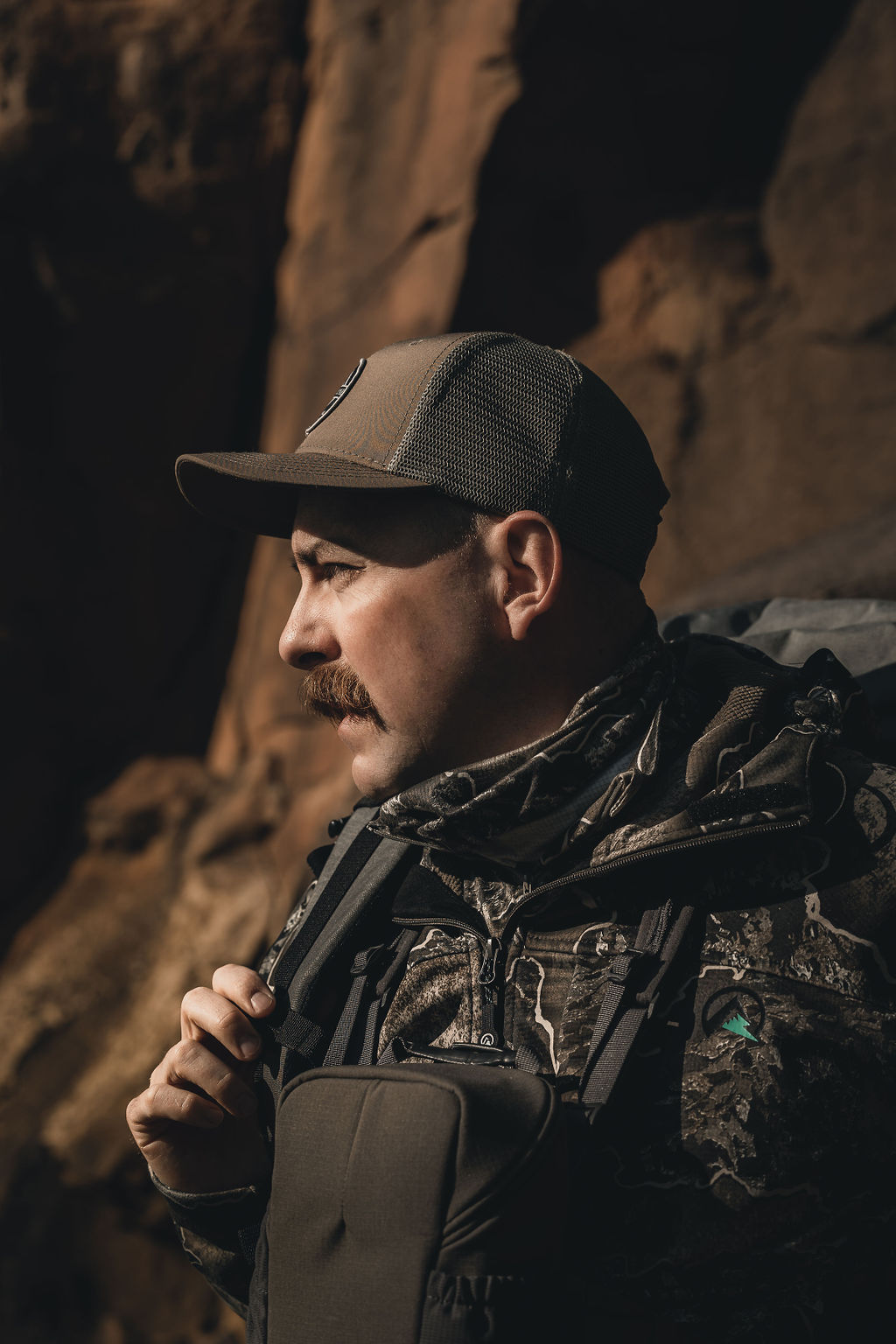
We set off just before first light, heavy with rafts and gear to survive five days in the mountains. Weighing the load beforehand would not have helped morale, but they would have been close to 40kg. The first mild uphill was where the weight really hit and doubt flooded in. How were we going to cover the 15km ahead? We had all daylight to do it, but it was clear this would be a monumental effort.
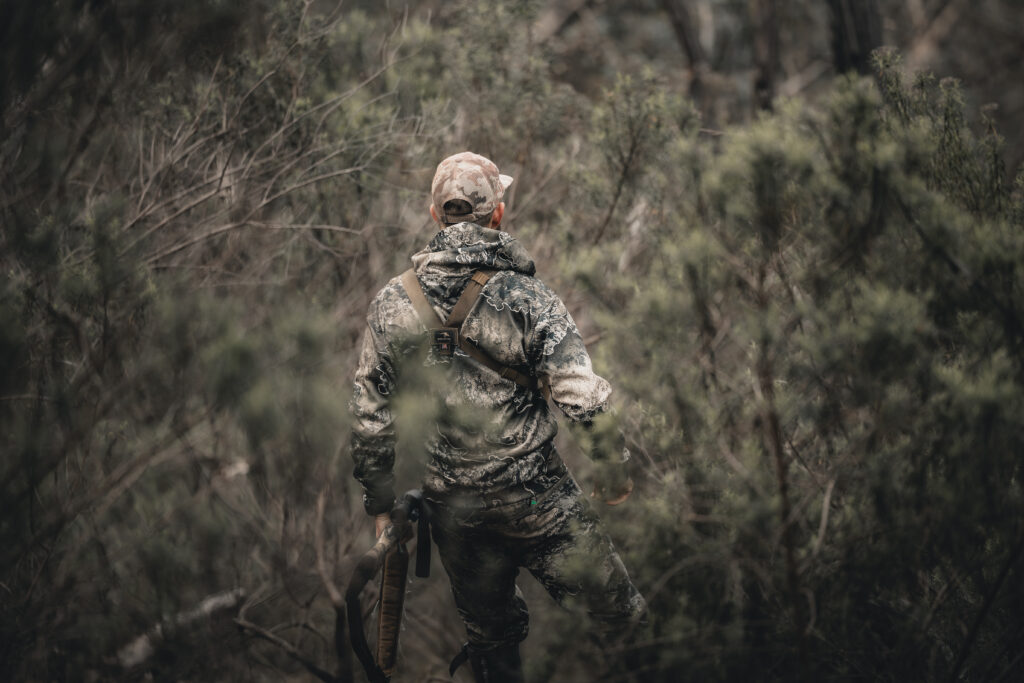
Moving along the creek as the first rays of sunlight hit the bush, the cold quickly gave way to sweat under load. Our first sambar sighting came shortly after sunrise when a doe honked from across the creek, blowing her cover and revealing herself and her yearling less than 100m away. She continued honking as we passed through.
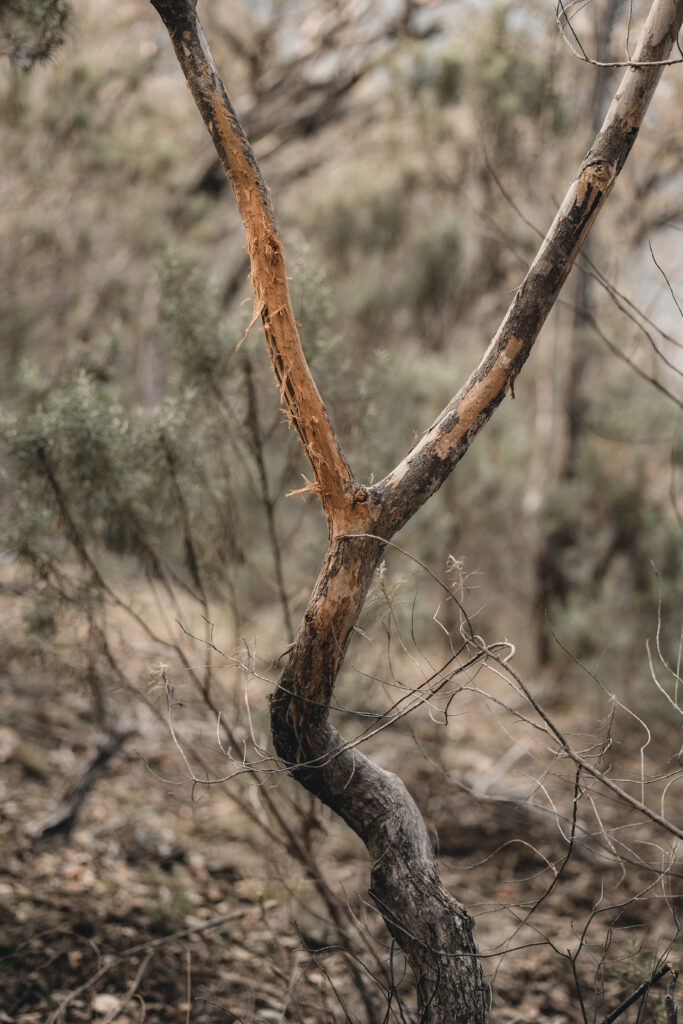
We soon left the creek and climbed a feeder gully toward the saddle. Not long after, fresh stag sign appeared, including mud smeared on a preaching tree, suggesting a nearby wallow. Andy was leading, so I took his rifle off his pack to hand it to him. Instead, he passed me a magazine with three rounds and told me to secure meat for camp. With our heavy packs, we hadn’t carried enough food for five days, balancing the need for meat against the distance still to camp.
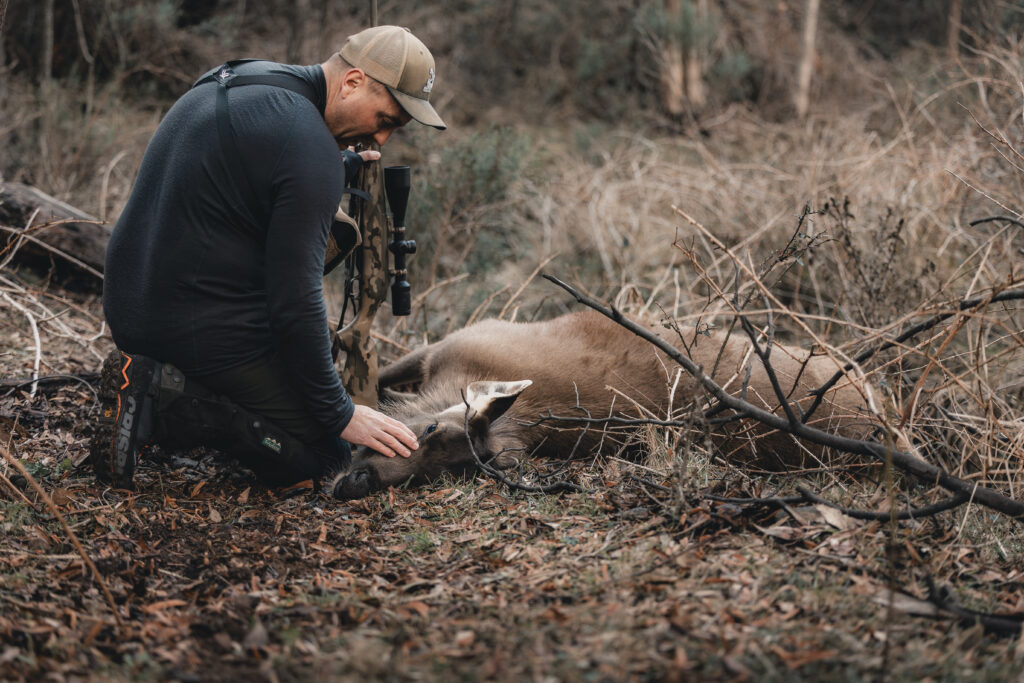
Once I took the rifle, fatigue became obvious. The extra weight made me question whether I could even shoulder it. Taking the lead and edging forward slowly, a stick snapped in the dogwood ahead. As the sign intensified, a brown shape appeared up the face to my left, illuminated by the sun. Instinct took over. The scope found its mark and a quick off-the-shoulder shot sent the deer sharply downhill, collapsing in the gully less than 30m away.
On approach, the young doe had expired cleanly from the single well-placed shot. There is a deep sense of gratitude in harvesting an animal that will nourish you for days to come. With the utmost respect, we carried her premium, wild organic protein up over the ridge to camp.
The terrain and sign over the next kilometre were incredible. Unaware of what lay ahead, I turned to Andy with a grin and said, “This place is the ultimate – I can’t believe we are able to do this.”
From that moment on, whether I jinxed it or not, the day turned nightmarish. The climb steepened and continued relentlessly for five straight hours. My body began to fail as cramps locked every muscle in my legs. Toughness only goes so far, and there were moments where I didn’t think I’d make it over the hill. At times, I crawled up the incline because standing meant immediate cramping. It felt endless.

What kept me moving was the refusal to let Andy down. We’d planned this trip months earlier, and with his second baby on the way, opportunities like this would be rare. Quitting wasn’t an option.
Relief came at the saddle, where we collapsed into the dirt. Although one more peak remained, the incline was gentler. From there we dropped to the main river and found a campsite. Packs were dumped, and I told Andy it was by far the hardest day of my life, without question. He reminded me of our hike out on the previous hunt. I laughed – hard, yes, but nothing like this.
Camp was established, a fire lit, food devoured and sleep came quickly after dark.
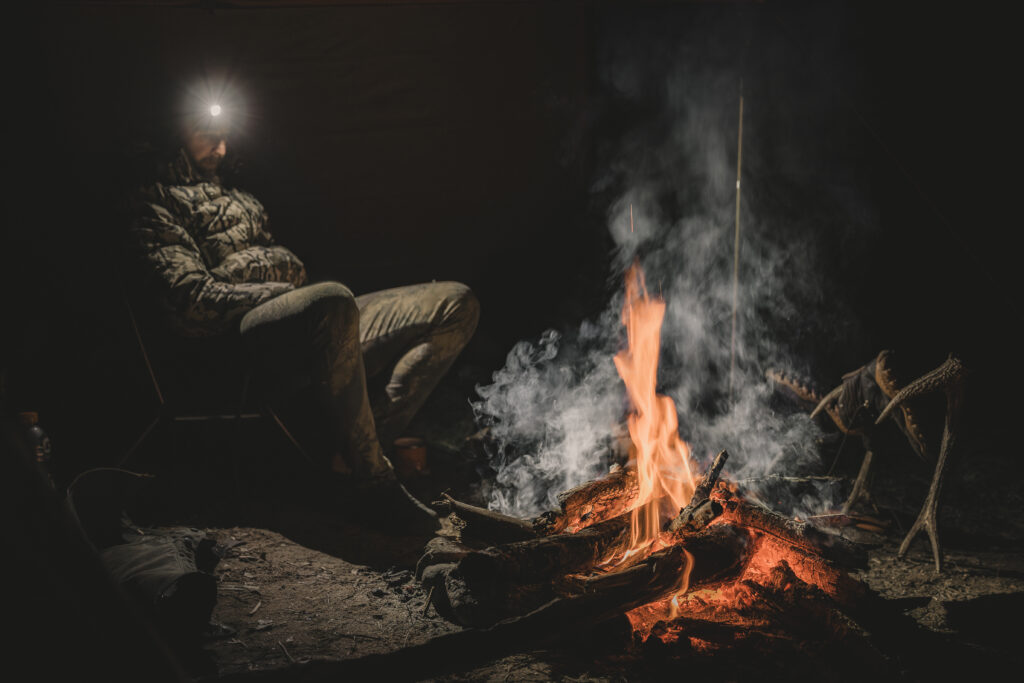
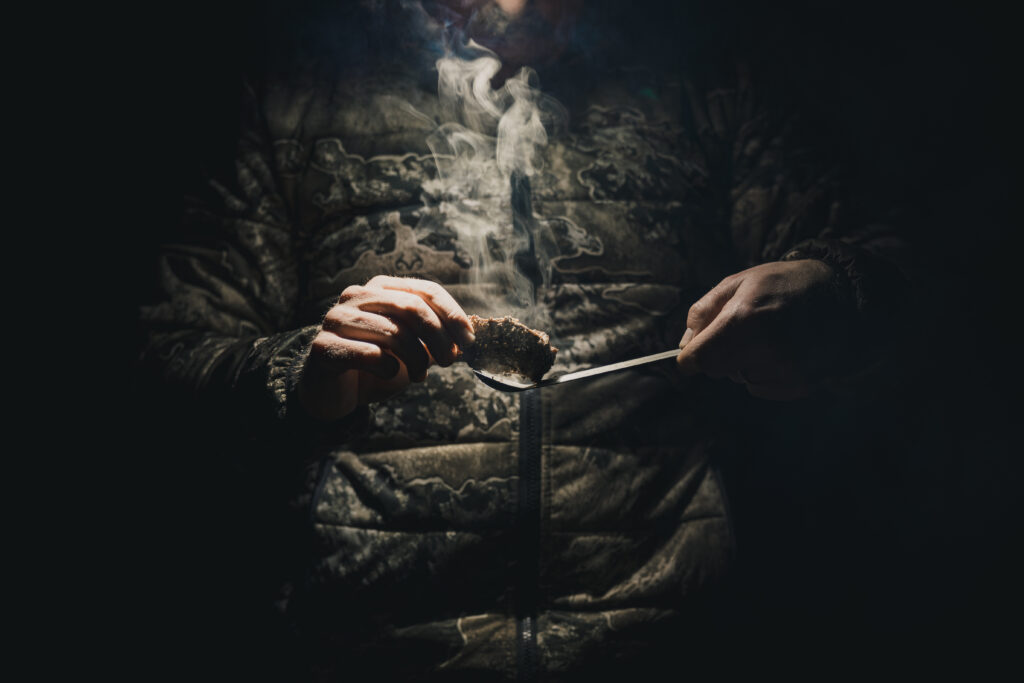
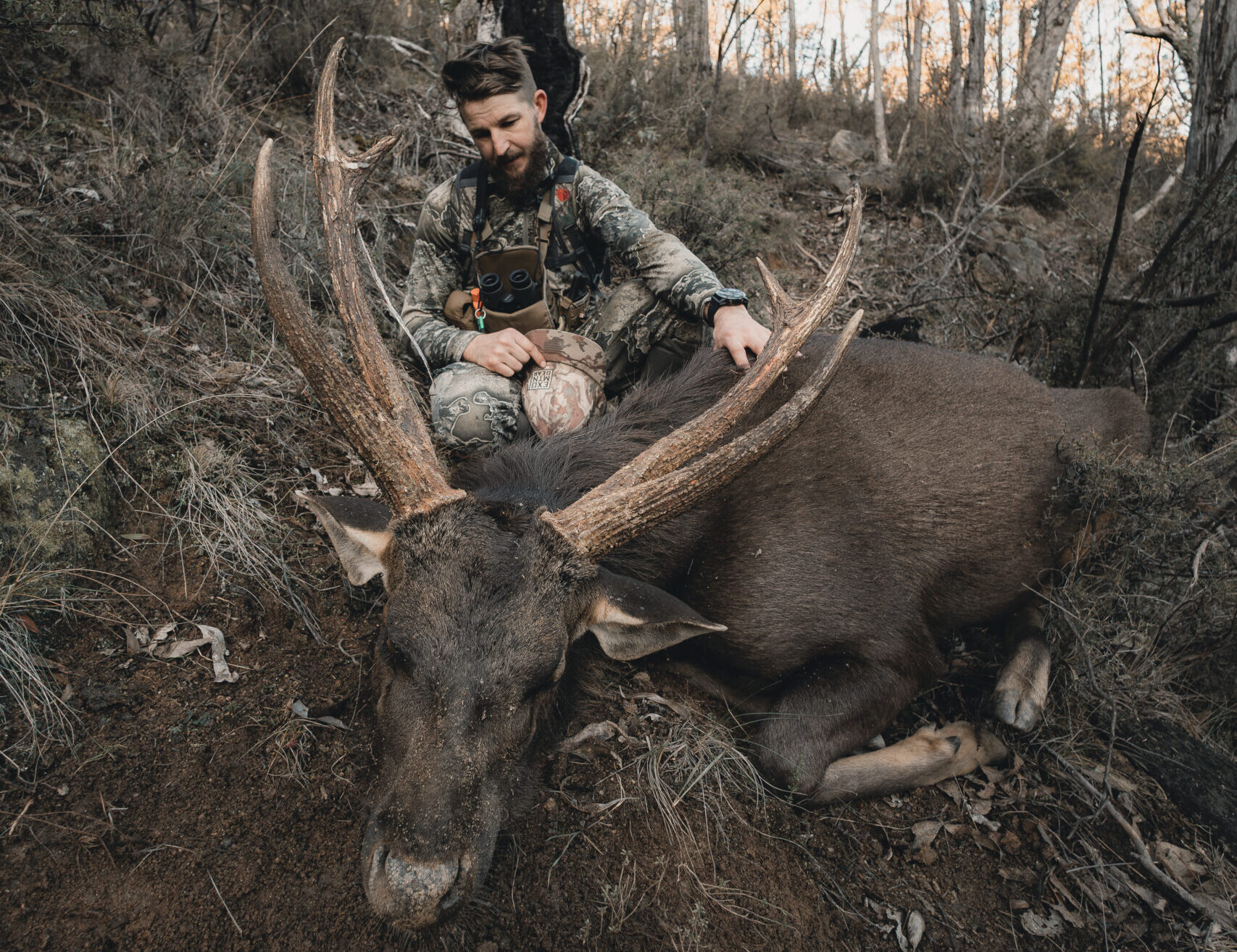
Morning brought no springing from bed – more a rolling crawl accompanied by groans. We stumbled to the fire and slowly regained our footing. Over coffee, plans were made: I’d climb and contour downstream while Andy headed upstream. Not long into the walk, strong sambar sign appeared. While glassing across the creek, a distant shot echoed down the valley. Moments later, the Garmin UHF crackled with news – a solid stag with impressive brow tines had dropped where it stood after a perfect shot from Andy’s Tikka.
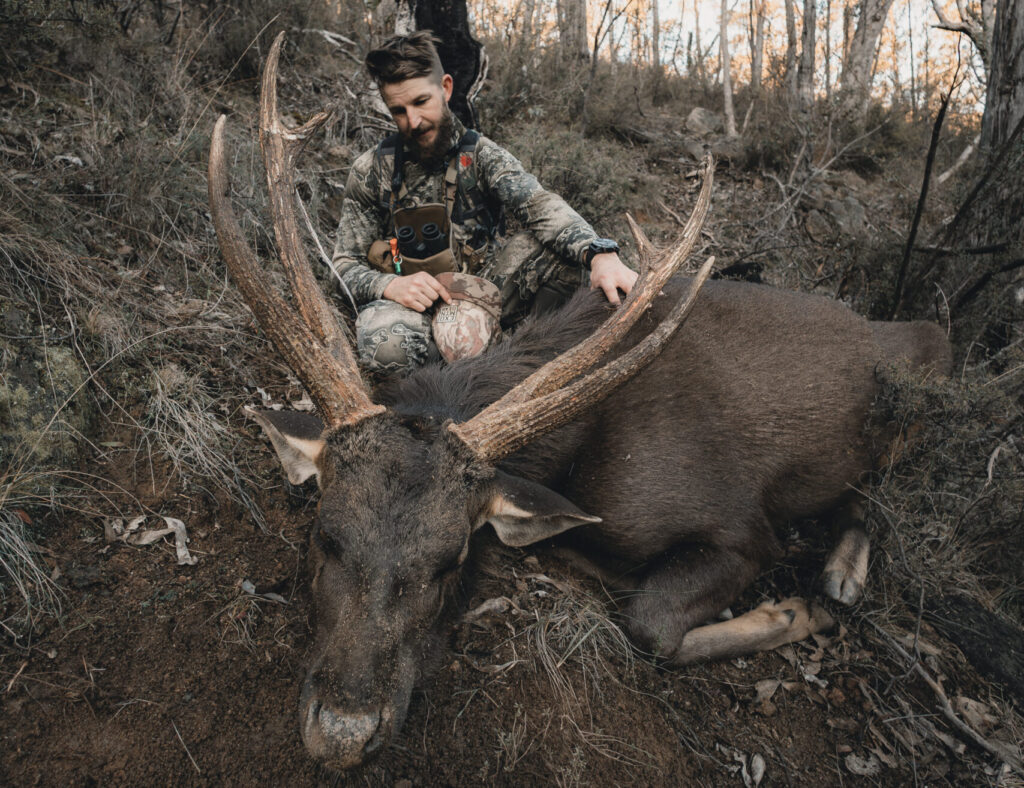
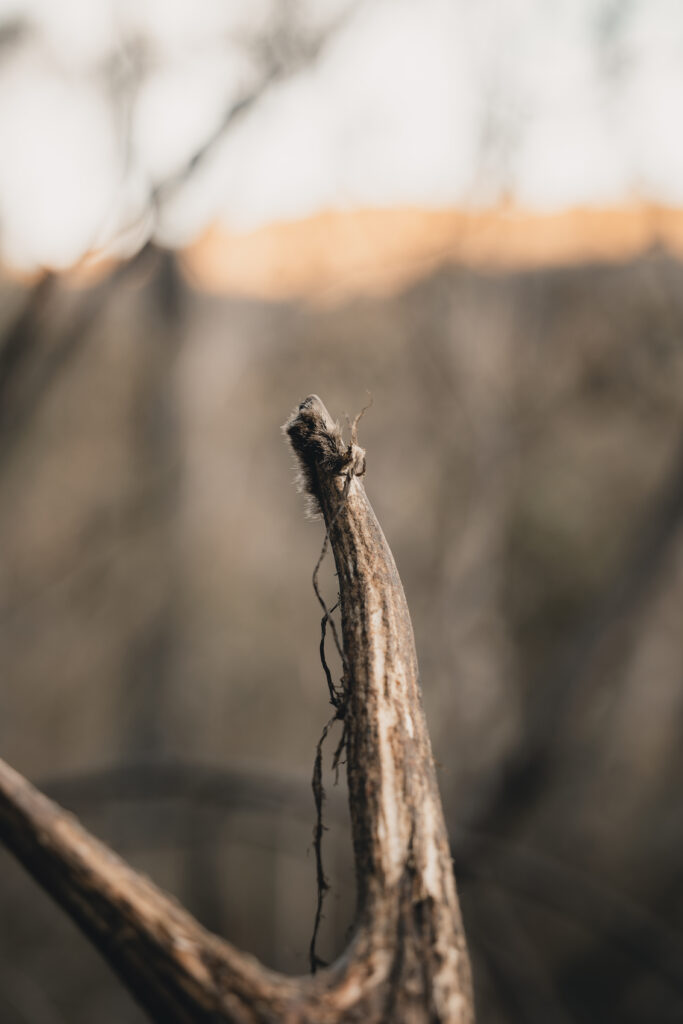
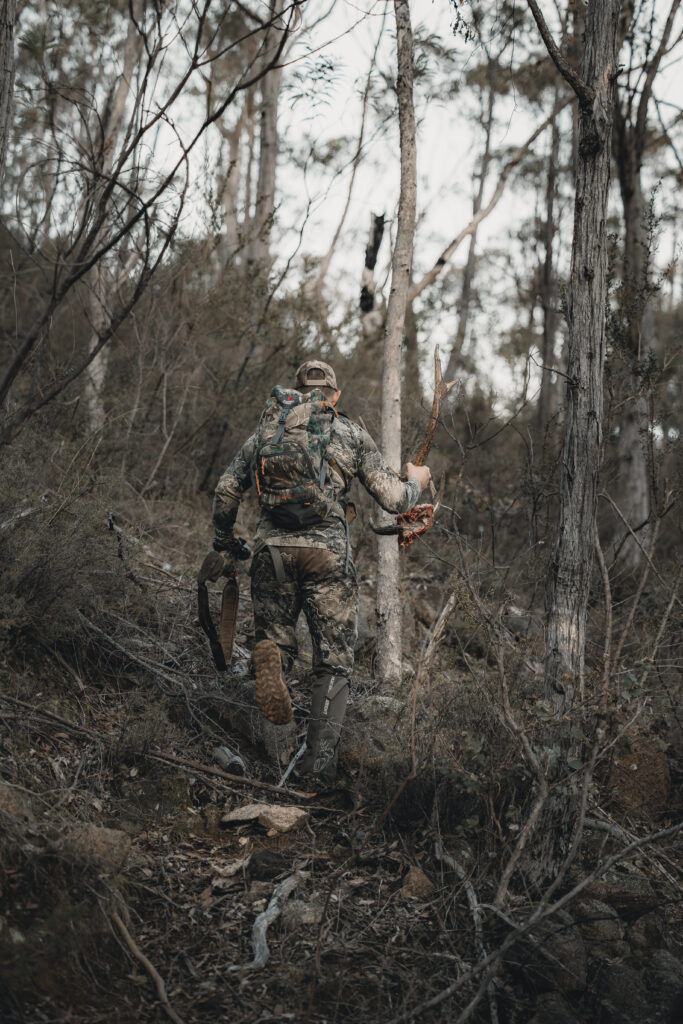
Two deer in two days was a flying start, even if my legs weren’t matching the enthusiasm. I hunted lightly, mapping the country and piecing the puzzle together. By midday I returned to camp, rested by the fire with warm soup, then headed out to a glassing knob for the afternoon. At last light, I spotted a stag at around 240m. He wasn’t mature enough, so I spent the last moments rehearsing my shot process for when the right stag appeared.
The following morning, I tried a wallow we’d found two years prior, following a similar line Andy had hunted the day before. Frost crunched underfoot the entire way. Brumbies seemed unfazed but deer activity was limited. Near the wallow, a doe honked and fled toward it. The wallow itself was layered with ice and unused. Despite moving though good terrain, the afternoon walk back to camp was uneventful apart from more brumby encounters.
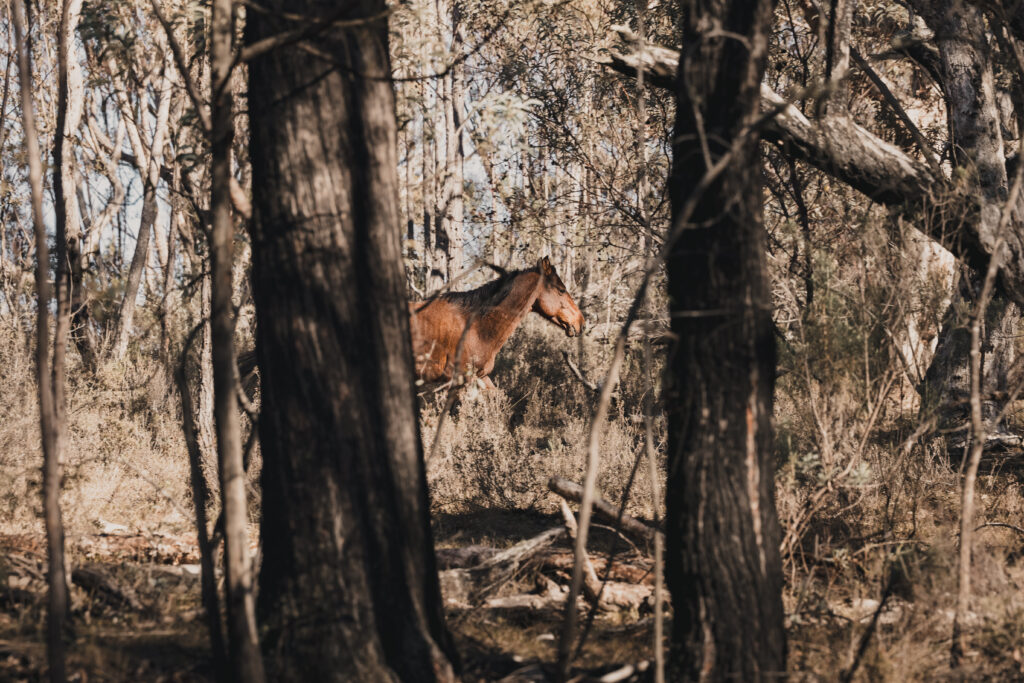
Day four began overcast, lifting hope for change. Another wallow was targeted, involving a river crossing and steep climb of roughly 300m. From there, we contoured through gullies that screamed deer. With a renewed focus on glassing opposite faces, I momentarily neglected the ground ahead, busting a doe from underfoot. Not ideal, but at least deer were present. Near the wallow, brumbies erupted and circled the gully before disappearing over the ridge, likely taking any deer with them.
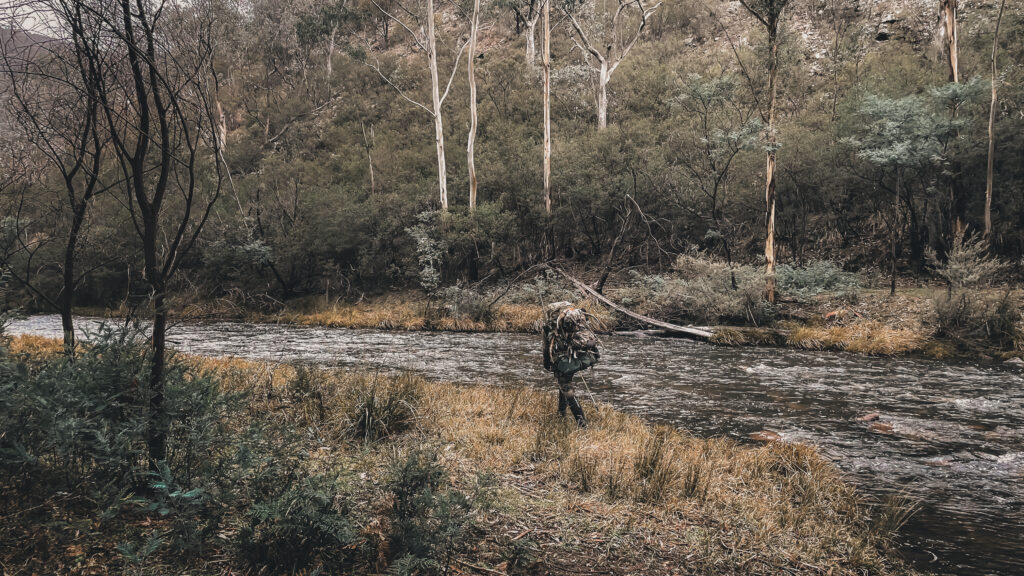
Pushing on, I locked eyes with another doe before stopping for lunch at a vantage point. Glassing across the river revealed more brumbies, a spiker up high and another mid-20″ stag in an unreachable position with the remaining daylight.
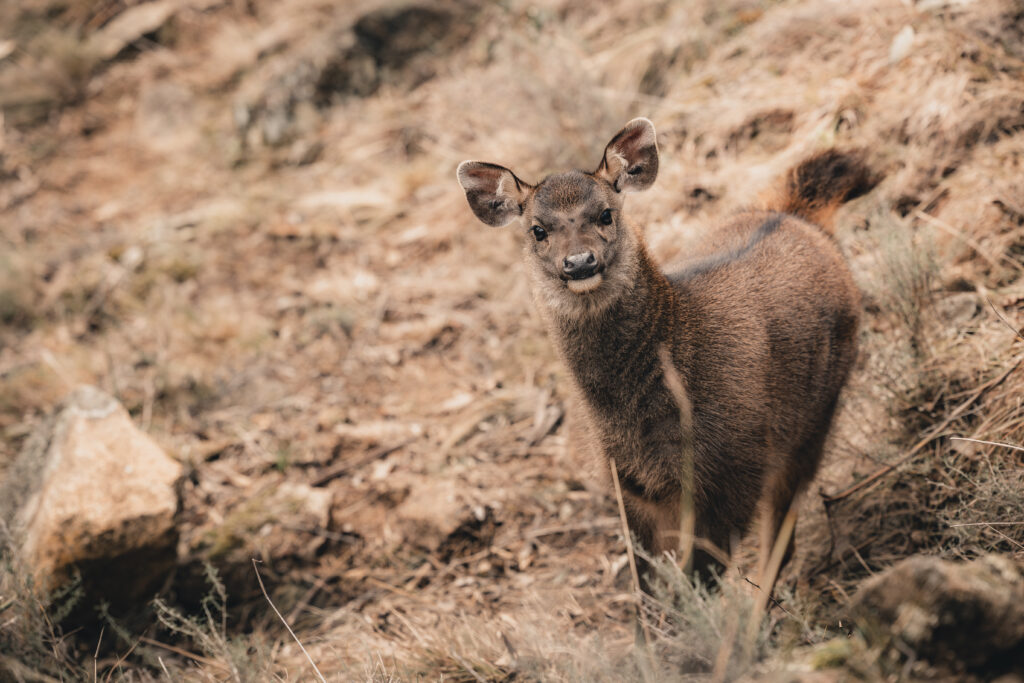
On the return to camp, one of the most memorable moments occurred when a fawn ran straight toward me. After snapping a few photos, I moved on, soon spotting three more deer. It was a stark contrast to earlier days – everything I looked at was alive. In terms of spotting unaware animals, it was the best day I’d ever experienced.
On the fifth morning, we planned to raft halfway downstream and hunt fresh country. Camp was packed, rafts inflated and gear loaded. After wading past the first rapid, we jumped in – only to grind to a halt on shallow rocks. Repeated wading numbed our feet before the realisation hit: carrying the rafts had been wasted effort.
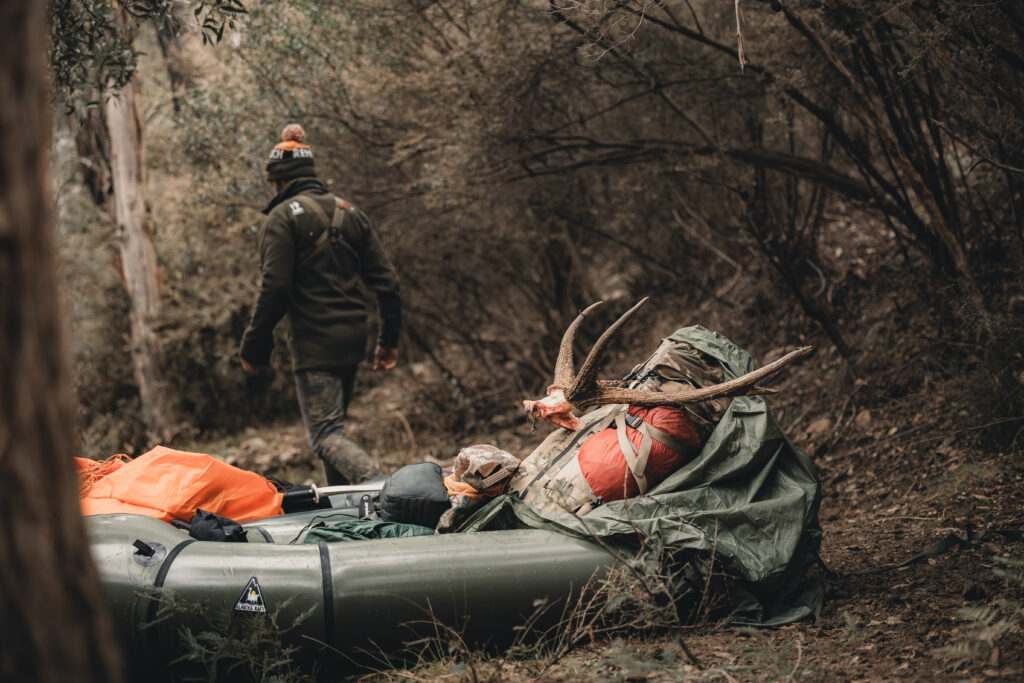
A fire was lit to warm up, rafts packed away and the long hike out began. Disappointed but determined, we pushed ourselves to the limit again as we raced time and the elements, knowing heavy rain was forecast.
That hike out was brutal but nothing like the hike in. It was a mixture of fatigue, frustration and the quiet sadness of a hunt ending. Days in the bush – wild and free, exploring – are where happiness truly lives. Pushing through exhaustion and mental barriers is where growth happens. This won’t be my last pack-raft hunt, nor the last hunt where exhaustion and doubt creeps in. This is living – and I can’t wait to do it again.
Share this article
 Website
 Instagram
Related
Articles


Related
Recipes