

The case for crimping
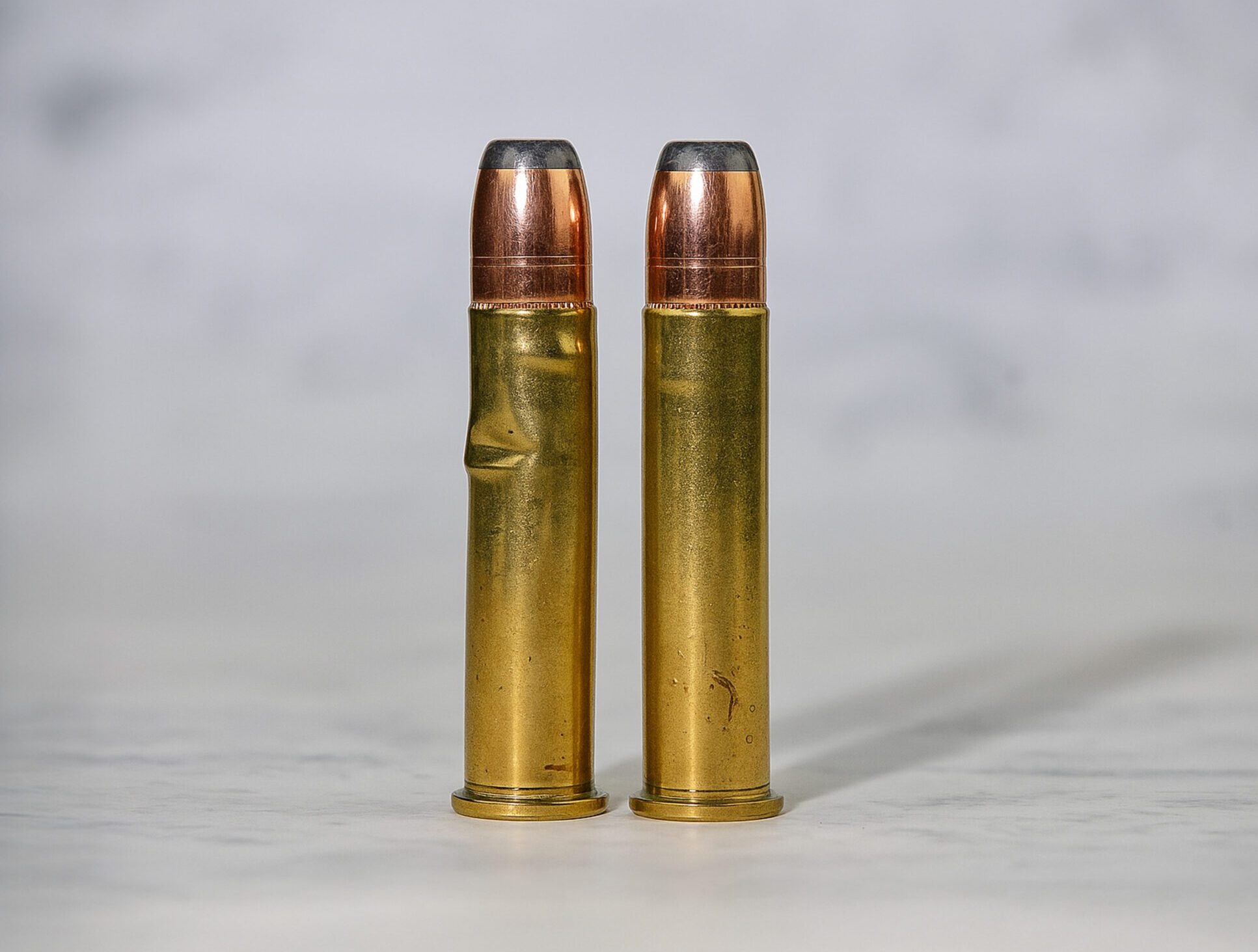
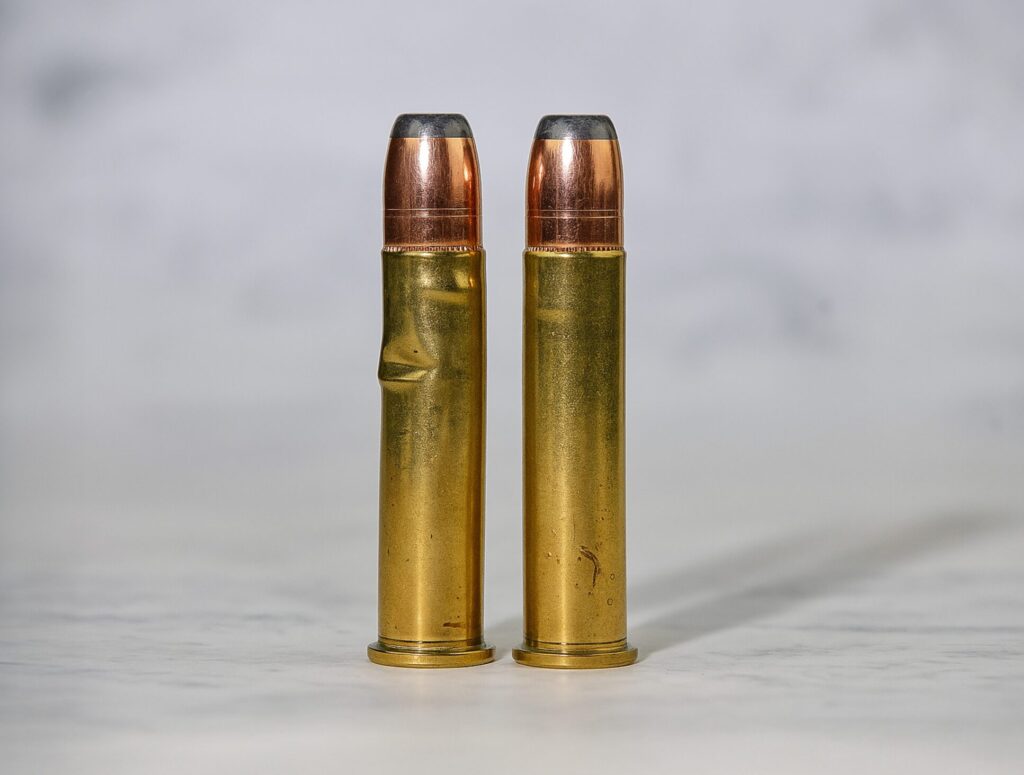
I loaded up a couple of hundred .30-30 Win shells and went hunting, only to find that some would not chamber. That was unusual, until I remembered that someone had given me 30 shells that I had not checked for length. I always full-length resize my shells but the ‘gifts’ were a tad longer than the seating die was set for, which bulged the neck during crimping.
I crimp all hunting rounds after having a bullet jammed in the throat of the chamber, like when I unloaded my .308 Win Sako rifle. I load bullets close to the lands, but this one had worked itself up, probably when it was in the magazine and under recoil. Afterwards I roll crimp bullets on the cannelure if they have one – just enough to hold it firmly.
Bullets without a cannelure can be crimped but only enough to hold it or the jacket may be damaged. I generally don’t bother crimping them, counting on the full-length necks of resized cases to hold them, and they do, so why crimp?
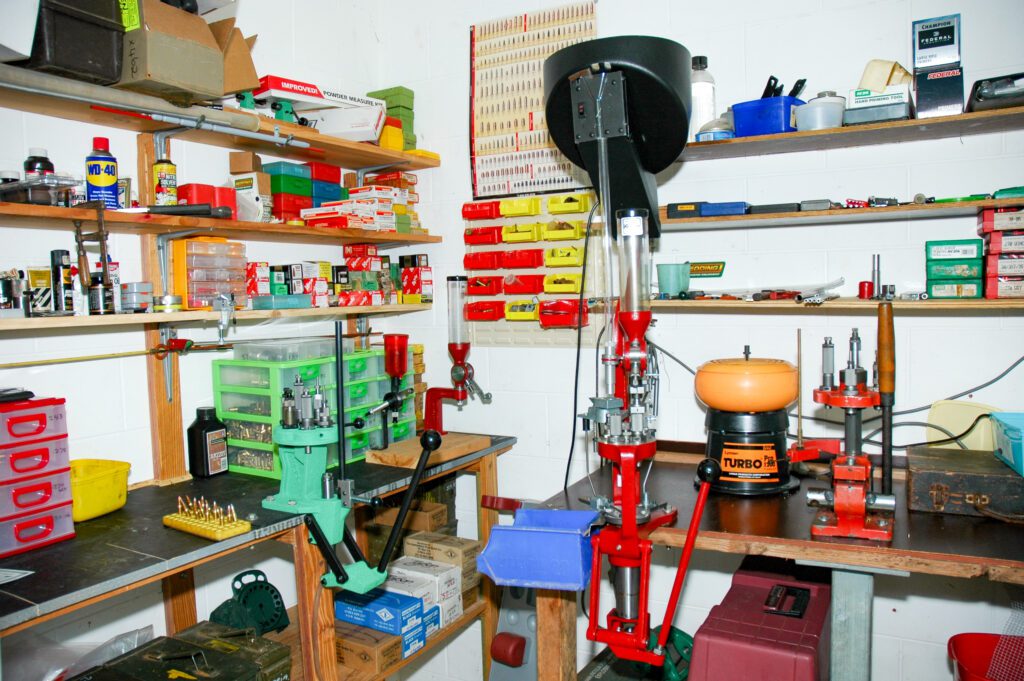
Bullets loaded in magazines are subjected to all sorts of g-forces and may move back or forth into the case. Crimping is a guarantee to keep the bullet where it should be, even under severe successive recoil in big game rifles. This is especially so for the one on the bottom of the magazine, where it is pushed up against the magazine wall and may be forced back into the case during recoil of successive firing.
This also damages soft lead-nose bullets and restricts powder space, which may lead to increased pressure levels, particularly if you load to maximum pressure. The bottom round may stay there for an entire trip, as we all have a habit of topping up the magazine after firing a couple of rounds, so you can see where I am going with this – crimp it.
I prefer to stay about two grains below the recommended top load. This is an important safety factor in the high tropical heat that I hunt in. Temperatures vary from 5C in the dry season to 45C in the build-up, the prelude to the wet proper. I ensure that all cases are the same length; if not I trim them to the recommended length.
Set the seating die correctly because if wrong, the bullet protrudes out so far it may get stuck in the rifling when ejecting a live round from the chamber or not chamber at all. It will stuff up your hunting trip if you only have a ‘snake’ cleaning ‘rod’ with you, a good reason to always take a full-length backup rod when hunting.
Forcing uncrimped bullets back into the case can damage fragile soft points when placed upside down in plastic bullet cases and you’re driving on corrugated roads and tracks. Place them bum first in containers.
It’s important that all bullets in straight cases and those used in tube magazines are firmly crimped, especially in revolvers, because if they move forward, they are going to jam the cylinder. This also applies to revolving-action rifles.
Straight rifle cases like the .44 Magnum, .444 Marlin and .45-70 Government must be crimped, as must all cases used in lever-action rifles with tube magazines. If not, the bullets will be forced back into the case by a combination of recoil and magazine spring pressure. Unlike magazine rifles, a heavy crimp must be administered to hold the bullets. All big game calibre rifle rounds intended for hunting dangerous game should be crimped, even when used in double rifles.
For light-recoiling rounds used in single-shot and magazine rifles you can get away without crimping the cases, or a light crimp only, and count on neck tension alone to hold the bullet in place. But why take the risk? Especially with cases exposed to repeated firing, like the one on the bottom of the magazine. Cases exposed to repeated firing will have brass flow and resultant reduced neck tension as the necks thin. I take no changes of this happening and crimp the bullets.

Roll crimp
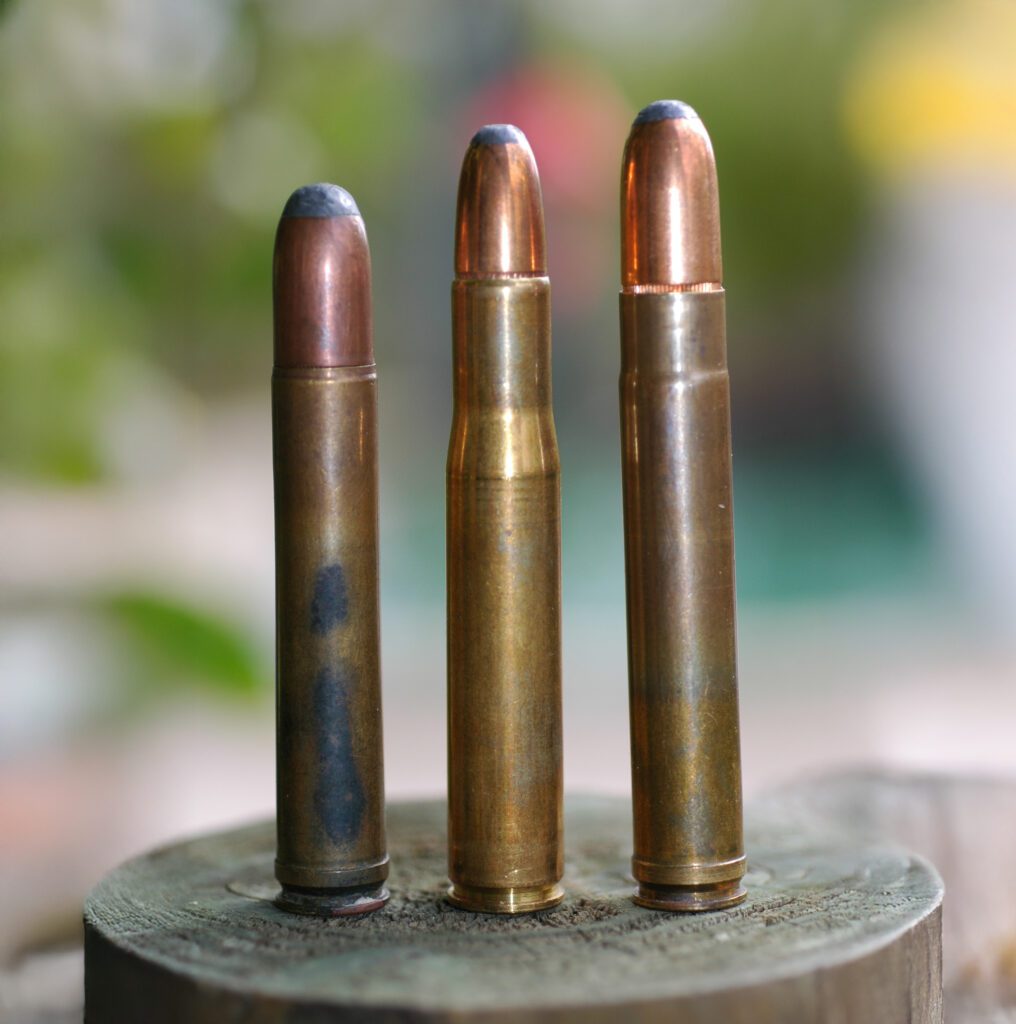
Roll crimping is a must for all rounds used in revolving and lever-action tube magazines, especially when using heavy loads. It’s important to have all cases the same length, whether straight or tapered. That means regular trimming to keep them that way. You will notice case stretching when roll crimping bullets on the cannelure.
Most revolver cases headspace on the rim of the case, thus case length and a sharp defined ledge on the mouth are not important. It’s simple to apply a roll crimp using the crimp setting on the seating die – a step that is done in one pass of the process when seating the bullet. To learn how, read the die instructions or go online, as it’s an easy process. Special standalone crimping dies are also available, but they require an extra pass on the realoading press and aren’t really necessary.
The roll crimp presses the case mouth ledge snuggly about the bullet wall, which is best when it has a cannelure. Most cast lead bullets are easily crimped on one of the lube grooves, though some have a proper cannelure. The cannelure is purpose designed to have the case rim pressed into it to secure the bullet.
However, if a cannelure is not present a roll crimp can still be used for extra security to assist case neck pressure and hold the bullet to prevent it moving in or out from recoil for lead and jacketed bullets. But only apply light tension or it may damage the fragile jacket, which can affect accuracy.
That begs the question, is it okay to use bullets that do not have a cannelure, in say a .30-30 Win case, intended for a tube magazine rifle? In one word, no, because there is a high risk of the last couple of bullets in the magazine being forced back into the case by recoil and spring pressure. Use only bullets with a cannelure for rounds intended in tube magazine rifles.
Taper crimp
With reloading shells, bottle or straight, it’s best to flare and trim the inside of all cases a little to ensure the bullets slip into the case without pushing it down and bulging the neck on the shoulder. But never over expand the case mouth, just go enough to hold the projectile snuggly in the mouth. I find if it sits up by itself in the mouth, it easily slides in during seating.
Crimping returns the mouth to its proper size, a little smaller when roll crimping, whereas taper crimping retains the correct size. However, never rely on taper crimping to hold a bullet used in tube magazines or high recoiling guns.
As mentioned, most pistol/rifle straight-walled cases headspace on the case mouth ledge. Such cases must be trimmed to the exact length of the shell. The correct shell length can be found in all proper reloading manuals or online. If you roll crimp such a case you remove the mouth ledge on which the case headspaces, unlike a taper crimp, where the ledge remains intact.
The case walls are pressed firmly and snuggly about the bullet and leaves the ledge intact. However, pressing the case walls about a bullet does not guarantee a tight secure fit like the one that is possible with a roll crimp pressed about the cannelure. You should never apply too much tension when taper crimping, as over crimping will damage the case.
Just crimp it
In all, crimping is somewhat of a mystery for many reloaders and one of the most sough-after queries from new reloaders. For target shooters, crimping is unnecessary but for hunters it’s an assurance that things don’t go wrong afield.
Share this article

Related
Articles


Related
Recipes
Sorry, no related items found.