

10 ultimate bucket-list hunts
Many start out hunting for perhaps a rabbit as the first species and after several of those, may move on to a fox if they are present in the area. A pig could possibly then feature and maybe a deer. Some decide they like to hunt mainly one species, such as sambar, red deer or wild dogs, and can become entirely proficient at hunting that animal.
However, it’s not unusual for those who have been hunting for a while to have a bucket list of animals that they would like to hunt, and hopefully be successful. This bucket list is a personal thing, different for each hunter, and may change with time and with more knowledge and experience.
One doesn’t need to be a trophy hunter to have such a list. I usually like to hunt for meat, and at the same time keep an eye out for a great set of horns or antlers, but also like to experience a great hunt as opposed to just collecting trophies. Having a list of game that you really want to hunt provides a goal that once achieved, brings a greater level of satisfaction.
The following is my top 10 bucket list in approximate order, starting with the first deer that, after shooting other stags, I wanted most before I became interested in other species. Some on the list I have achieved, others I’m still working on.
1. Free-range royal red deer
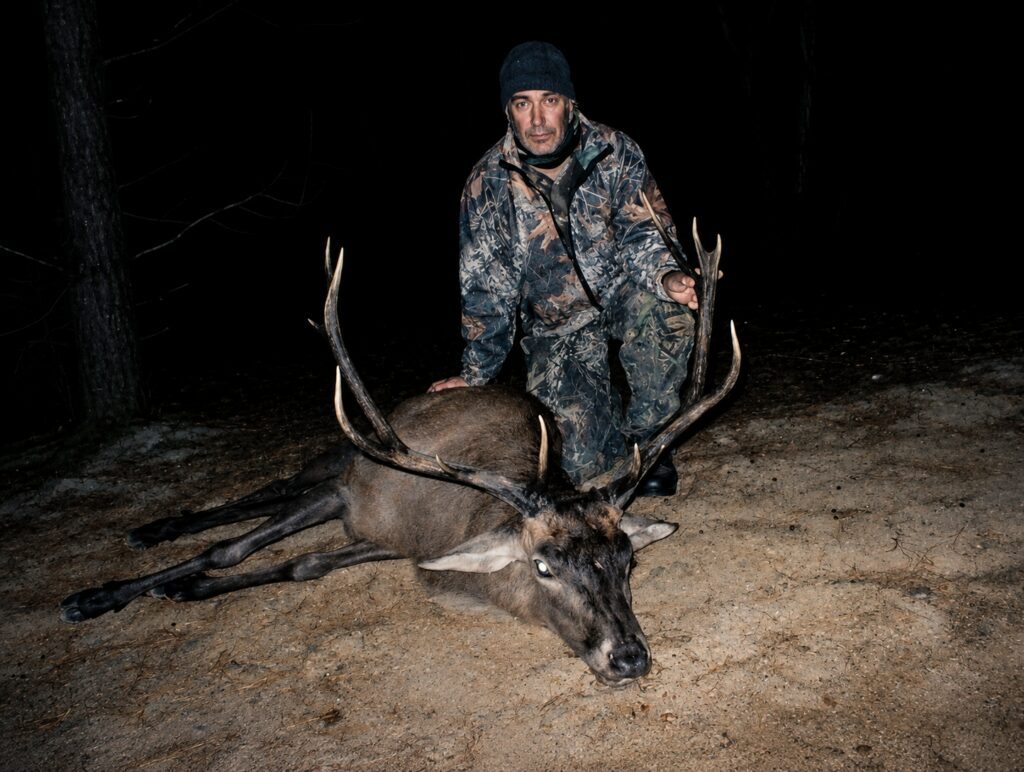
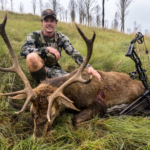
A ‘royal’ red deer has six tines on each side. One that is running in the wild, as opposed to on a high-fenced estate, is truly a regal specimen to obtain. Perhaps it’s their roar in the rut, together with the splendid antlers, that make them so desirable to me. They are not necessarily our hardest deer to hunt, but getting a free-range double-six took me 10 years to achieve. This included trying to get onto a good one in New South Wales’ Hunter Valley numerous times, trips to Brisbane Valley in Queensland and two New Zealand South Island free-range hunts, passing up 5x5s and others.
Eventually, I shot one in southern NSW with my .270 Win after several attempts were thwarted by extreme heat keeping the deer hidden under cover.
2. Large crocodile
Our saltwater crocodiles are the largest crocodiles in the world but hunting them was stopped in Australia in the early 1970s. The Nile crocodile from Africa is the second largest and they can be shot. After reading articles on crocodiles being pursued, I watched an exhilarating video of a spot and stalk crocodile hunt in Africa. It was as exciting as it gets, and I decided that it was something I wanted to experience.
I tried to contact the guide who had done the spot and stalk crocodile hunt in the video, only to find that he had been killed by an elephant falling on him after his client shot it. Eventually, after much searching, I was steered toward another guide who specialised in spot and stalk crocodile hunts on the Zambesi River in Mozambique. Ultimately, this was probably my best hunt and I bagged an exceptional trophy. The full story will appear in Australian Hunter this year.
The .338 225gr TTSX recovered after passing through the spine at the neck on the massive croc only weighed 140gr and had lost all its petals. The difficulty with crocodiles is trying to get close enough to them for a dead-right-there shot without them jumping into the water. To kill them on the spot you need to shoot them in the brain or break their neck, which requires precision shooting.
3. Cape buffalo
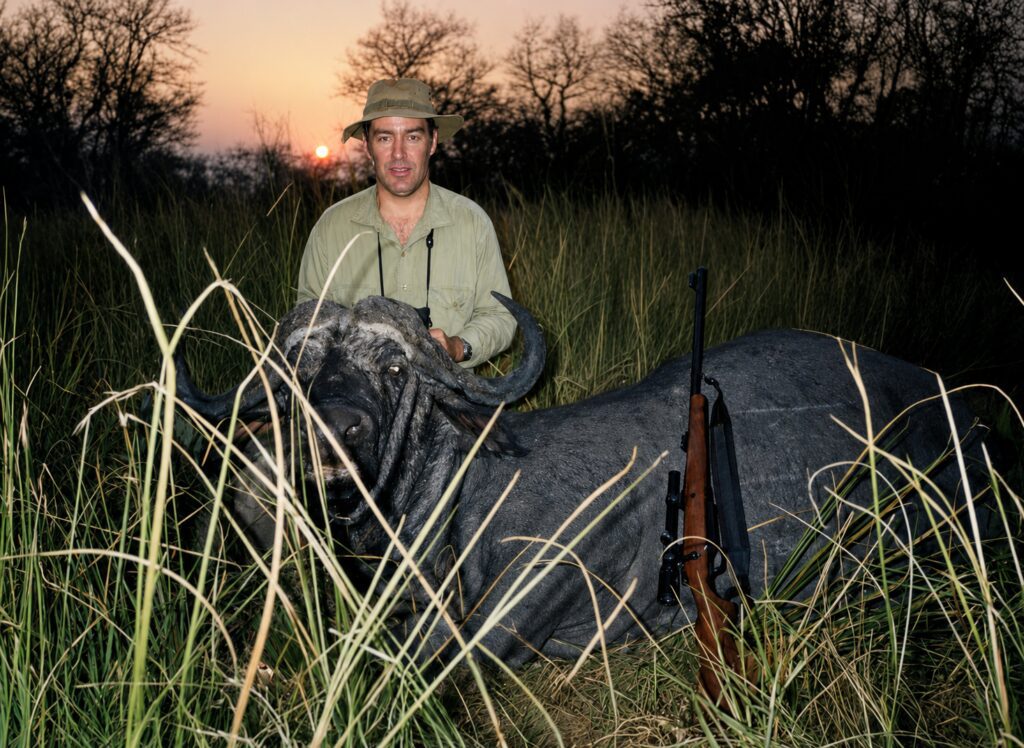
I had hunted several of the bovine species, including quite a few scrub cattle and water buffaloes, but after reading about the vindictive African Cape buffalo I just had to hunt one, no matter what it took. So off I went to Zambia with my .450 Rigby and 500gr Woodleighs to hunt what some consider to be the most dangerous game in the world (others consider lions more dangerous).
The pleasing part of this hunt was that right at the end of the day after tracking and following a herd of Cape buffaloes all day unsuccessfully, when walking back to the Land Rover to head back to camp, I spotted two old ‘dagga boys’ by themselves. I broke the spine of the bull with one shot at 110yds and my guide reckons he’s never seen a Cape buffalo go down so quickly. The salt that was used on the hide was of poor quality and when I received it, the cape was no good. I just have the skull and horns.
4. 30″ sambar
Although I have made a fair number of trips to Victoria in search of a 30″ sambar stag, I haven’t achieved a really good stag yet. I tend to hunt the heavily wooded areas which are most accessible to me, rather than the privately owned fringe country where many sambar hunters have success. I should have followed my own advice and spent more time hunting sambar instead of the other deer species that I didn’t desire quite as much (except a royal red).

The 33″ rusa and the 30″ chital heads I have, though very attractive, aren’t the same as getting a massive sambar. Also, I don’t hunt them with dogs and prefer to be unguided. A huge symmetrical sambar is to me one of the best possible trophies in the world. I use a .338 RCM with 225gr Woodleighs on most sambar sojourns.
5. Whitetail deer
Legendary writer Jack O’Connor’s favourite deer were the diminutive Coues (pronounced ‘cows’) deer that he hunted in Sonora and Arizona. These are a type of whitetail deer. Whitetails grow much bigger in the colder northern parts of the North American continent. He believed that the Coues deer were smarter than their northern counterparts. Reading O’Connor’s stories of Coues deer hunts made me want to hunt them myself, plus whitetail are the most widely hunted deer in North America.
I hunted mine in Sonora, Mexico, and it was one of the most enjoyable hunts that I have been on. In the spiky desert vegetation, they camouflage so well that it takes the expert eyes of Mexican guides to spot them. Finding a suitable rest when you do see them is another issue. I used 90gr Sciroccos from my .240 Page Souper Pooper.
6. Hog deer
I became interested in hunting hog deer after listening to old-timers at (now deceased) Ken Leatham’s hunting cabin near Mansfield in Victoria on several of my sambar hunting trips. These small but stocky deer are often hunted from a high stand where you silently wait in the hope that a decent one will come your way. It was quite different hunting in this manner. Climbing up an extension ladder in the dark before daylight and waiting for hours in the cold and in the late afternoon with the mosquitoes biting any flesh they can find is an experience in itself.
I shot a superb free-range hog deer. I really wanted to use my 6.8 SPC II on hog deer but the case doesn’t meet minimum length, so I used 110gr Sierra Pro-Hunters out of my .270 Win instead.
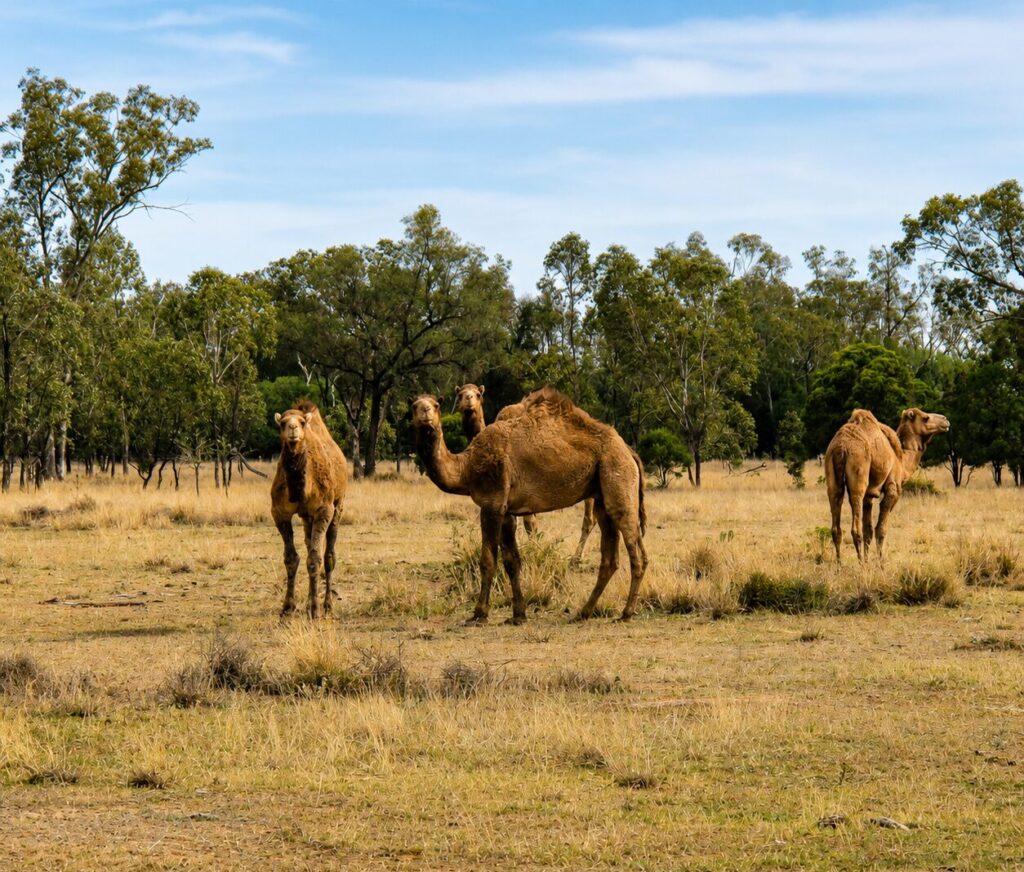
7. Camel
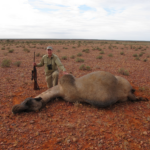
For quite a while I really wanted to hunt a camel but it’s not that easy getting access to a property to hunt them on. I went to one property in Queensland and the few camels on it were too tame for me to want to shoot them. I eventually went to the Red Centre for camels. Hunting large game in the desert in Outback Australia is a unique experience. I was expecting close-range shots but the two bull camels I shot were at 320 and 475 paces respectively.
I really enjoyed eating the camel steaks after hunting them in a hostile environment, where despite being so flat and open it is easy to get lost and in big trouble. The camels wander great distances and being lucky enough to find them is the hardest part. Stalking them on the flat terrain can also be difficult because they know you are there and keep their distance. I used my .338 Winchester Magnum loaded with 225gr Barnes TSX but after that hunt switched to the .225 TTSX for the benefits of a higher BC bullet at longer distances.
8. 500-yard crow
I became interested in varminting with my .220 Swift after I began to extend the range I was shooting rabbits and crows with my .222. Crows are very much on the ball, and usually fly off as soon as they see you. Although I have shot a reasonable number of both varmints over 400yds, I seldom get the opportunity for a 500yd shot. The properties I hunt on don’t often present such shots and if they do, I usually don’t have my .220 Swift in my hands. Nevertheless, a crow at 500yds or more is my varminting goal.
9. Magnificent fallow
A good fallow head with its beautiful palmated antlers is a magnificent looking deer. Fallows are our most abundant deer species and the deer I’ve shot the most of, mostly with a .270 Win or .270 Redding, followed by red deer. They are not our hardest deer to get but I would sincerely love an exceptional free-range unguided fallow that’s better than the one I have hanging on my wall.
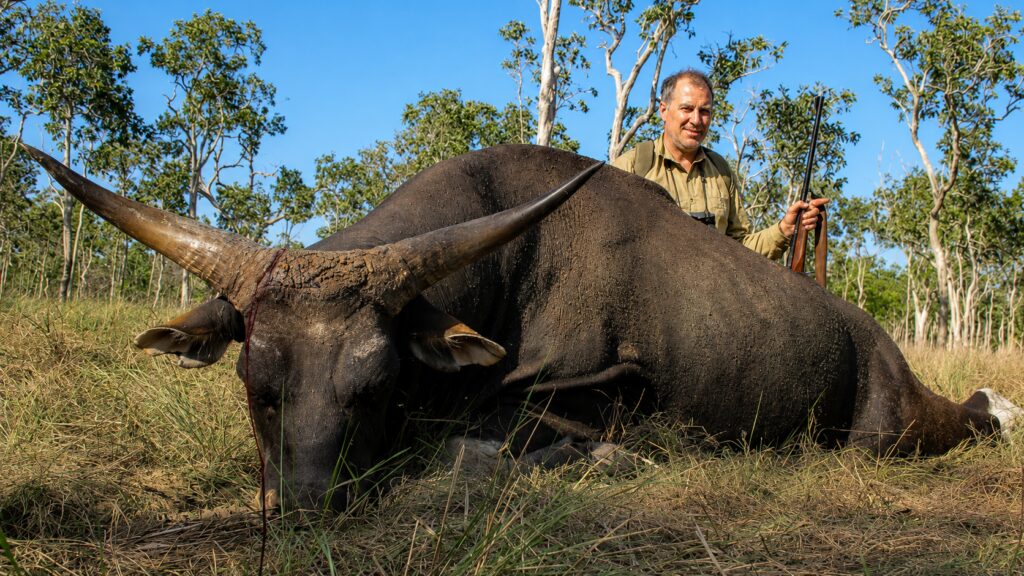
10. Banteng and water buffalo
I couldn’t decide which of these two I wanted more, so I placed them equal 10th. Bantengs are more elusive than water buffaloes and there are fewer of them, making them harder to find. I shot a good water buffalo with very thick bosses long before I shot a banteng. I’ve shot two water buffaloes with my .338 Win Mag, using 250gr Barnes X bullets and a banteng with my .450 Rigby using 500gr Woodleighs.
There are other species which are no longer able to be hunted that would make my top 10, such as the gaur, the largest bovine. Some species can still be hunted, but cost so much that unfortunately, I won’t be able to hunt them. Therefore, they are not included on my bucket list. For example: Marco Polo sheep, dwarf buffalo and Lord Derby eland. Nevertheless, I will be pleased if I achieve my listed top 10.
Share this article

Related
Articles

Related
Recipes