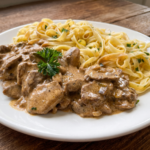
Better ways to use venison
Living in Australia and being a hunter allows us to harvest top quality meat all year round. For that, we are bloody lucky. So, why not fill the freezer when you can? While it may seem straightforward to a seasoned hunter, if you’re new to the world of harvesting meat you may not be certain of some of the processes involved.
Now, I’m sure the majority of hunters know that venison is flavoursome and healthy, but what about the various ways of processing the meat and cooking it? Most will, like I did, initially stick with the basics of making schnitzels, sausages and jerky. But venison is versatile, and your bounty can be turned into a fantastic range of tasty meals.
Let’s get to it… you have just taken down a doe for meat but are not going to take the whole frame home, so need to break it down into the desired pieces. The first part should be the backstraps. Quite simply, once you have opened the skin down the middle of the back you can carve the meat out from either side of the spine, from the shoulder blade to the rump. As soon as you’ve taken the backstraps out, and to avoid getting any substances on them, they should go straight into your meat bag. Old pillowcases work well, easily holding a large back leg, and after being washed can be used again – cheap, easy and effective.
With the backstraps out, it’s time to remove all four legs. When doing this, leave the skin on to provide some protection while it’s later hanging. It also provides less dried out meat to trim off when breaking it down into your favourite cuts. Once you get your harvest home, it needs to hang for at least a week or two, allowing the enzymes to start breaking down the meat and muscle fibres, providing a more tender cut. If you are going to mince it up, then it really doesn’t matter so much.
Most of us don’t have an industrial grade cool room in our backyard, so the easiest and cheapest solution is to find a good secondhand fridge, pull all the shelves out and install a couple of bars across the top to hang your precious cargo. I bought one off Facebook for $100 and can fit two cut up deer in it. It’s very effective, plus when not hanging meat it converts back into a beer fridge, making it a no brainer really.
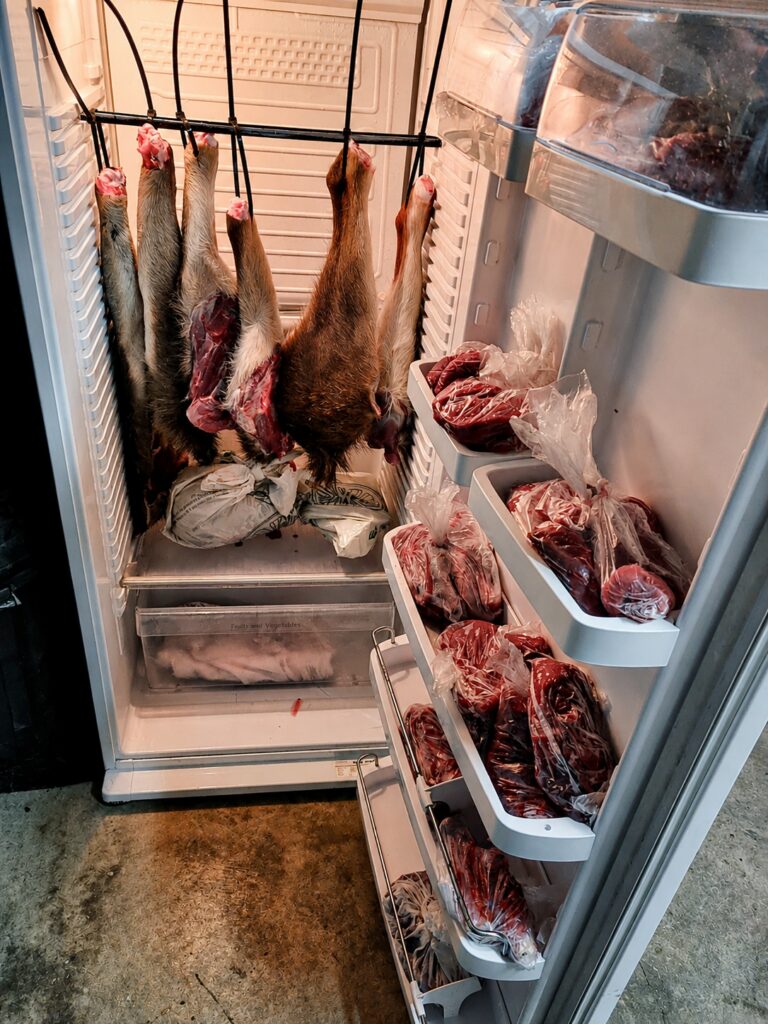
Once your harvest has been hanging long enough, it’s time to break it down. As I mentioned earlier, leave the skin on during the hanging process, but there is one downfall in doing so, and that’s skinning out a cold leg, but it’s a small price to pay for a lot more gain.
Now that the skin is off you can begin to break the leg down into steaks. This is done by separating the muscle groups, which are quite easy to see once you get started.
By now you should have a table of meat ready to be carved up into steaks but before you get into that there is one particularly important thing to do, and that is trim all the sinew off. You will need to sacrifice some meat in this process, but it is important to do so. The sinew is the white/silvery stuff covering the meat that creates an excessive gamey taste. If trimmed correctly, you can cook the venison up any way you like, and most people wouldn’t even know it’s venison they are eating.

Delving beyond the sausages, schnitzel and jerky, which are all in fact delicious, venison truly is much more versatile than you might think. To start with, if you are interested in premium quality mince, then venison is perfect, and with zero fat it’s super healthy. It goes great in homemade lasagna, spaghetti Bolognese or even mix in a bit of Mexican spice and have it on a loaded baked potato.
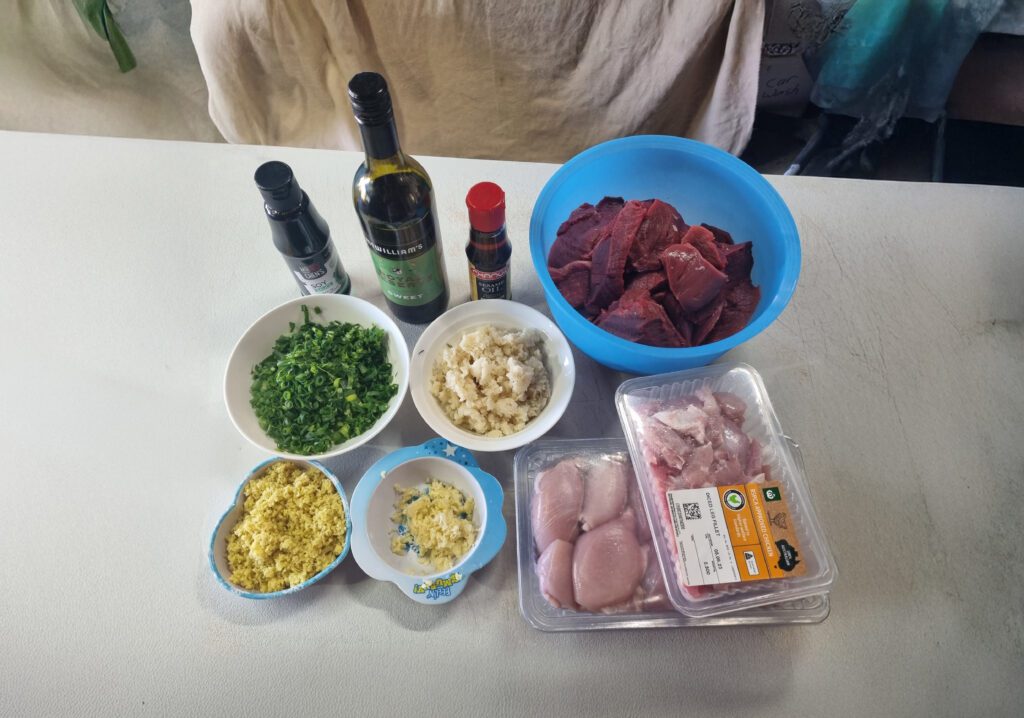
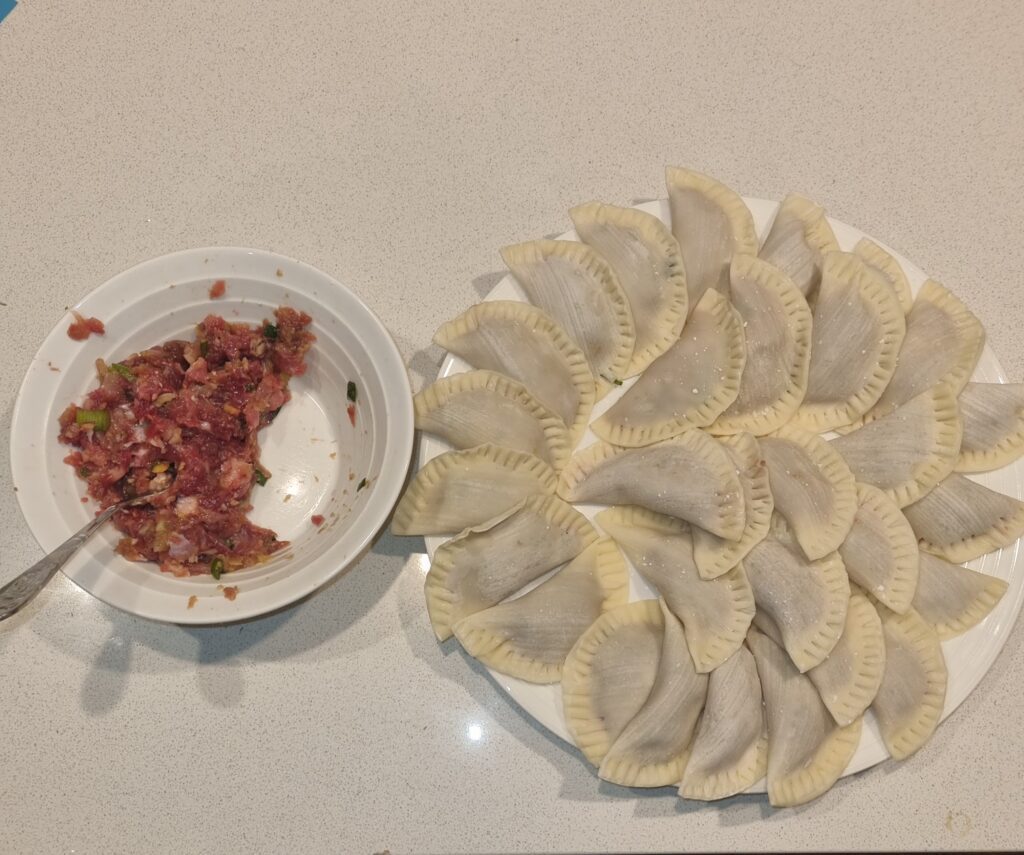
Venison dumplings are always a winner. For this recipe it’s usually half venison, half chicken thigh all minced up together with added ingredients such as ginger, garlic, watercress, sesame oil, soy sauce and anything else you like. Once you have it all mixed up, try to bag it at about 400-500g, as this amount will make roughly 30 dumplings, which is the same amount per packet of gyoza wrappers that can be purchased from the supermarket. When bagging your minced meat, flatten it out as best you can then vacuum seal it. This helps with stacking it in the freezer, and it will thaw out quicker when needed.
Obviously, venison steaks are delicious but be diligent not to overcook them as with no fat content they tend to toughen up if not careful, so a medium rare is recommended. If you are looking for a little extra flavour, then a light sprinkling of meat rub goes a long way to enhancing your dinner.
While you’re slicing and dicing up those legs, you will end up with some small offcuts. Now you could give them to your four-legged best mate or bag them up for a stir-fry, but the meat can be used for almost anything you would normally put beef or lamb in.
A tasty choice for fresh venison is salami but unless you have a cool room or somewhere that can be temperature controlled it’s more of a winter pastime. If you’re going to hang the salami in your garage to cure, the room temp should get no higher than around 14C throughout the day for at least two weeks. It’s a bit more of a process than making sausages but the result is amazing.
To start the process, trim your meat correctly with no sinew left on it at all. Normally when you’re making salami you want a fat content of 30 per cent but because venison is so lean you are better off adding 40 per cent pork fat. If you’re mincing the meat yourself, combine the fat and meat through the machine together. Tip, use a larger grinding plate for larger chunks of meat to provide the texture you want in your salami.
The next crucial ingredient is salt, this is used to help cure the meat and prevent harmful bacteria from growing. About 25-30g of salt per kilogram of meat should be added to the mix. Now, the added flavours are up to personal taste but one thing I will point out is that if you use powders like chilli and garlic, you should add more liquid such as red wine, otherwise the salami will be dry and crumbly when cured.
It’s fun to try your own thing to see what works for you. Venison can, and should, be used in a wide range of dishes. It’s a damn fine resource that we should make the most of while we can. Pick up a copy of Field to Fork – Second Helpings: The Australian Game Cookbook from online.shop.org.au and you can’t go wrong.
Share this article
Related
Articles




Related
Recipes