

Bringing Back the Lions
Massive and widespread poaching drove wildlife to near extinction in many parts of Mozambique. A civil war spanning 1977-1992 saw tens of thousands of animals eaten by villagers and soldiers for survival, playing its part in creating wastelands throughout the country.
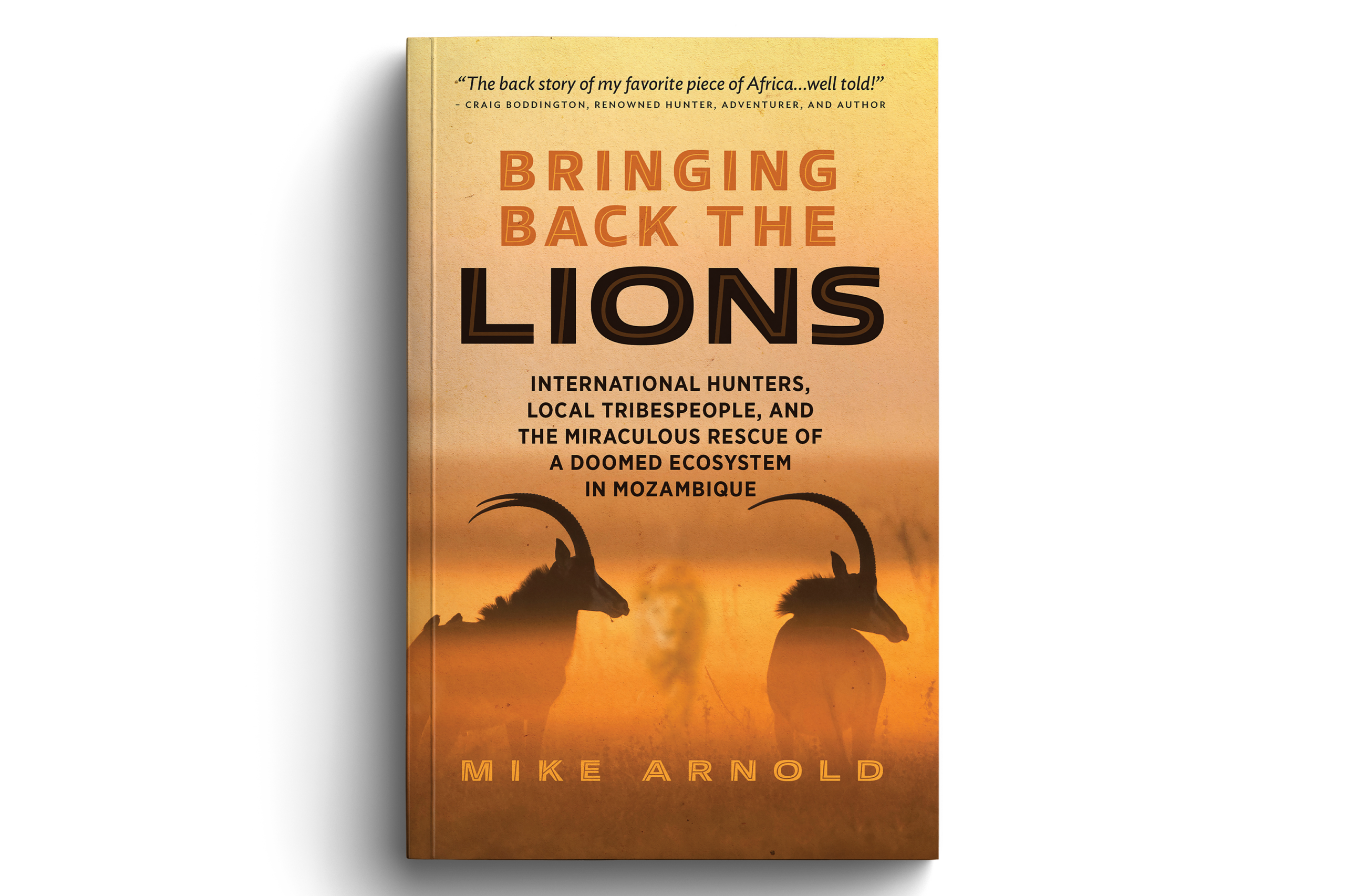
In 1994, Zambeze Delta Safaris was established by Mark Haldane and Carlos Faria in the Coutada 11 block of the Marromeu Complex in eastern Mozambique. The aim was to restore the once-flourishing ecosystems and the animals that thrived in the area. In Bringing Back the Lions, author and regular Australian Hunter contributor Mike Arnold communicates the important message of conservation through paid trophy hunting as he interweaves his trips and unique experiences in Coutada 11 with the extensive environmental efforts ongoing in the zone.
He vividly paints a picture of what the area is like while simultaneously enlightening the reader on how barren and desolate it was before. With their bold aim, Zambeze Delta Safaris had an underlying factor – to improve the lives of the local Sena villagers. This all had to be achieved through sustainable utilisation of game animals as a resource.
The simple fact is that hunting brings in the big bucks – in dollars that is. It’s estimated running photography safaris would impact the environment 1000 times more due to how many more tourists would be needed to bring in the same amount of money.
The visiting hunters, who take just a few selected animals, provide meat for locals. Funds have set up extensive anti-poaching teams, offering residents steady paid employment. Combating poaching has transformed animal populations nearing extinction to capacity and beyond. Since 1994, to when Mike wrote this book in 2022, safaris recommenced, with animals like sable antelopes, waterbucks and zebras increasing from being in the mere dozens to well into the thousands. Through the deaths of a few animals comes the salvation of many, which flows on to the ecosystem and its flora and fauna.
Only mature males are targeted. All meat and edible parts of the animals are given to Sena inhabitants. It’s a tough sell for the taking of an animal to not come across as purely transactional, but Mike does well to share the bigger picture, which not all ‘hunters’ visiting South Africa may care to comprehend.
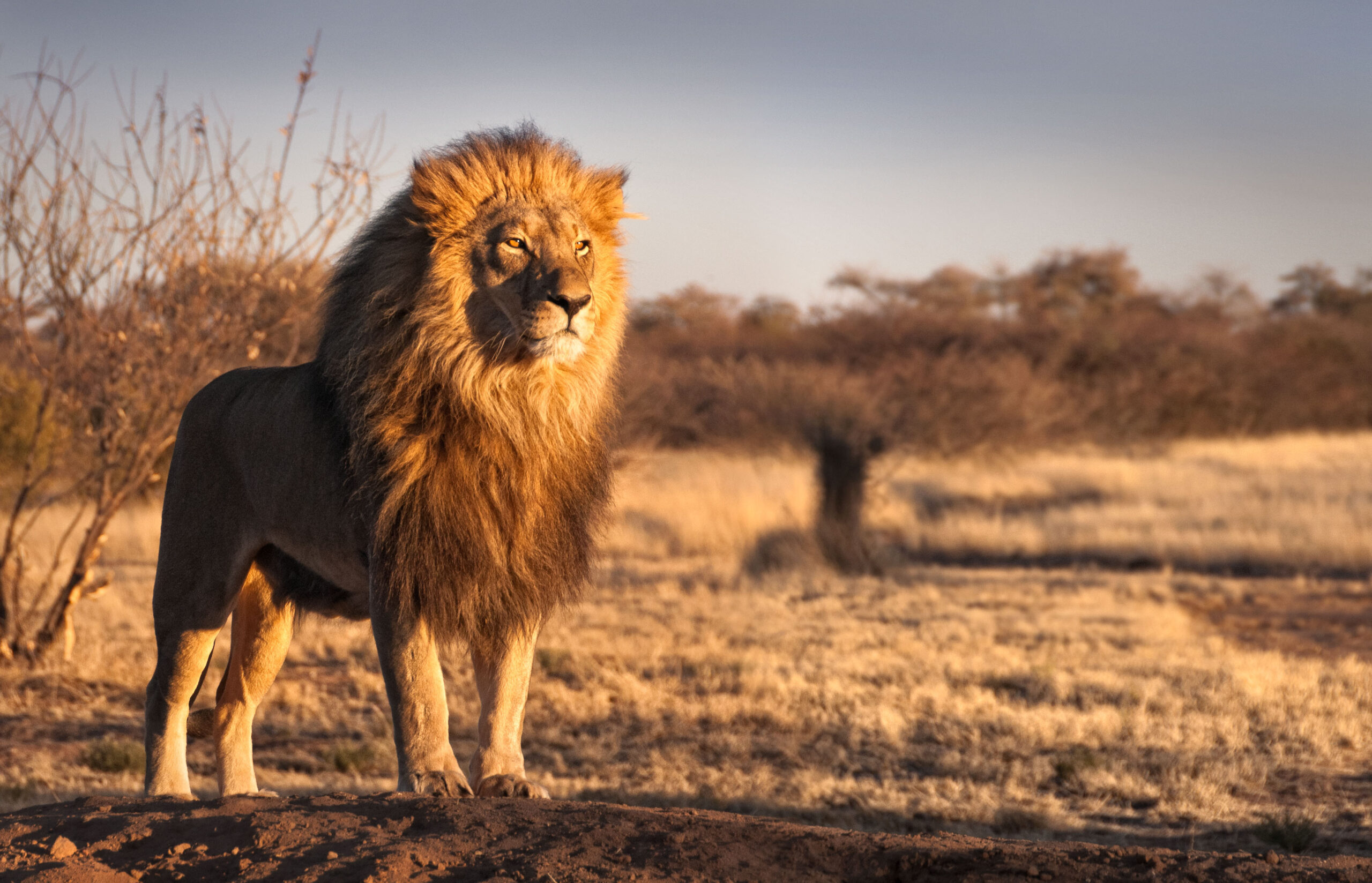
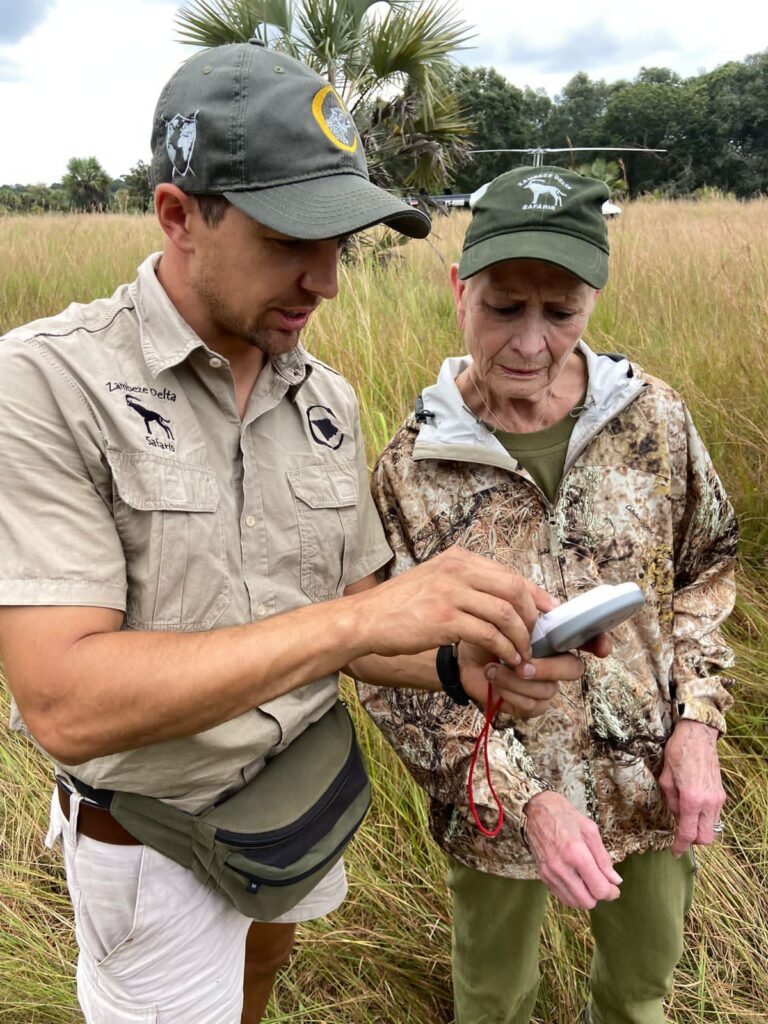
However, not all species reintroduced are for the purpose of hunting. They are there to return the ecosystem to what it once was. This includes the successful reintroduction of lions and cheetahs. The 24 Lions Project is at the heart of the book. Funded by the Cabela family, it had 24 lions relocated to Coutada 11 in 2018, resulting in eight prides being established that saw numbers grow to 60 lions.
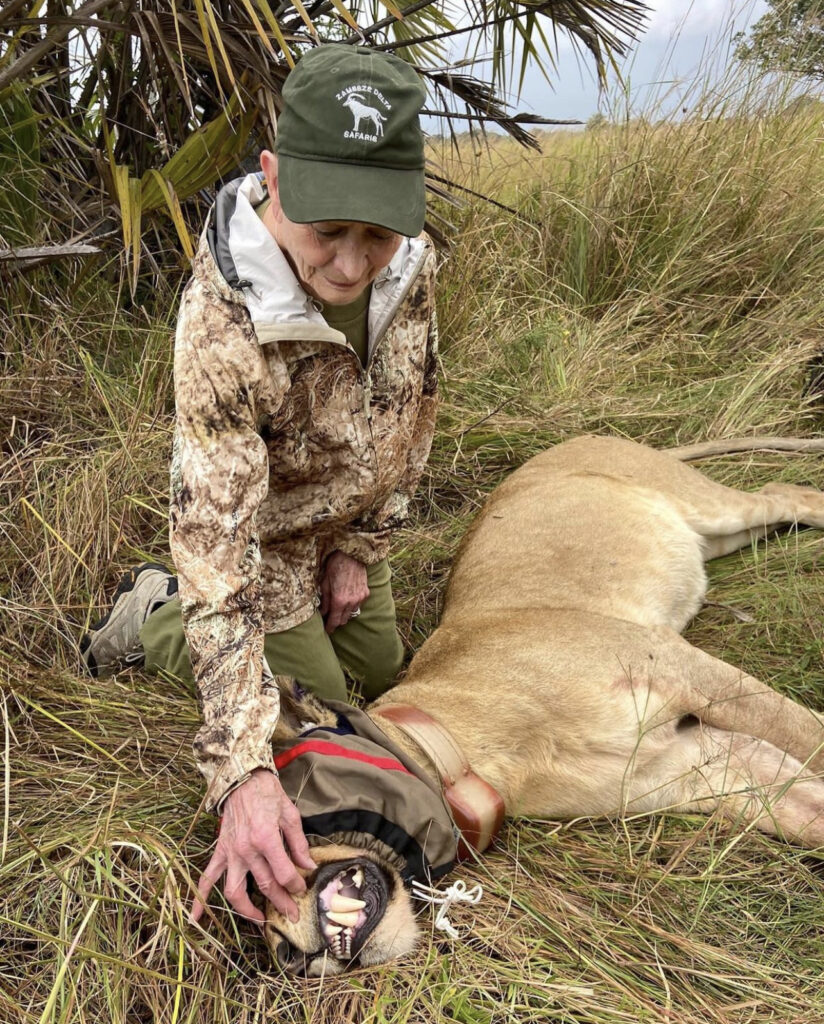
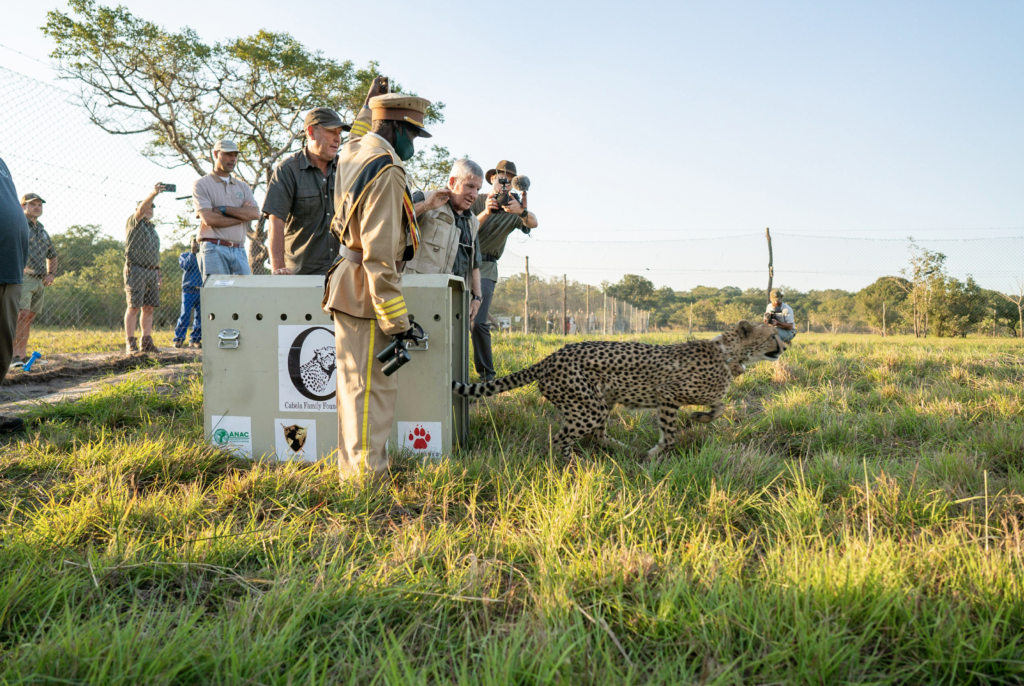
The famous hunting family are also behind the successful 12 Cheetahs Project. The big cats are there to reproduce, with surplus animals only leaving through legal relocation. This is all part of the overall plan to restore all of the area’s ecosystems, not just hunting locations. From tracking and collaring a leopard in the middle of the night to flying in ‘aerial steeds’ with wildlife experts to dart elephants and lions for data collection purposes, Mike is among it all, living it. The book also delves into time and efforts spent ‘hunting’ for poachers and working with former poachers, now employed to locate and disassemble snares and traps. Without this paid work and the protein hunting provides to families, these poachers would most certainly still be engaging in the illegal side of things.

But can the general public wrap their heads around the idea that animal deaths brought about by paid hunting can bring much more life? In the case of sables, for instance, which are capped at 25 per year, in just over 25 years Coutada 11 brought numbers from 30 to 3000. Cape buffaloes increased from 1200 to 25,000.
People might ask the question: why not such in-depth conservation without the killing of any animals? The simple answer is, who would pay for it? Hunters do, and it’s not like there are thousands of hunters involved, but rather a limited number who pay a lot of money while not disrupting ecosystems.
The book covers factors that must be considered before reintroducing a species, including the animal’s history in the area, its disappearance and the habitat situation. The community must benefit from all reintroductions and play a huge role in the success.
Written with a sense of realism, as the sub header states, this book is about ‘International hunters, local tribespeople, and the miraculous rescue of a doomed ecosystem in Mozambique’. Mike offers his observations through the eyes of a (sometimes bumbling) hunter/tourist, who sees and portrays the objective with every step taken.
From the self-sufficiency developed through hunters’ physical and financial input into projects like beehives and farming plantations to the purchase and ongoing costs of helicopters, it becomes clear none of this could happen without dedication and dollars. It has all evolved into a middle-class area for local Sena villagers, who not that long ago were entrenched in civil war and the prospect of a barren, lifeless landscape brought upon by desperation and greed.
With malnutrition now at zero in the area, where it previously stood at about 40 per cent, lower rates of disease and fewer other health issues are part of a new way of life. The funds have allowed malaria to be tackled head-on, and those in the area rarely suffer from it despite it being Mozambique’s biggest killer.
The ultimate hope is to have the Coutada 11 model spread to the neighbouring coutadas and a World Heritage listing with a hunting mandate. Once you’ve read the book, you’ll see why this could very well become a reality and a greater good that’s hard for anyone to deny.
You can grab this paperback book from amazon.com.au for about $30, with Kindle and audio options available for less.
Share this article
 Website
 Instagram
 Facebook