


How to bag a hare
If you are a keen rabbit hunter like me, it is probably only a matter of time before you feel the draw to take a hare.
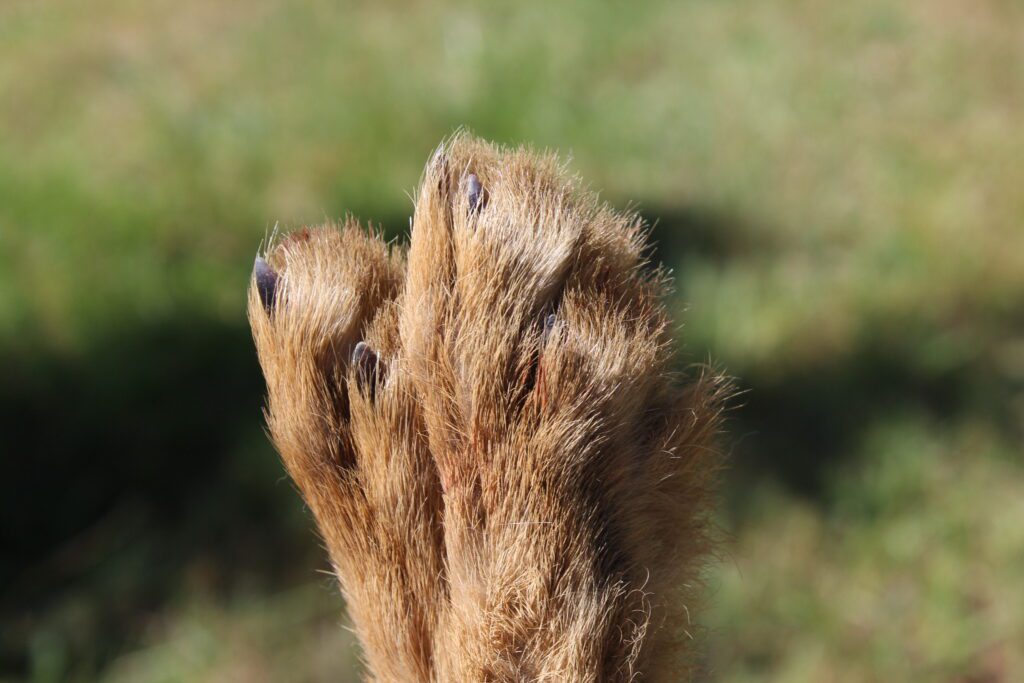
They are essentially supercharged versions of the rabbits many hunters are accustomed to – warier, faster and considerably larger. They have longer ears and legs, while their coats feature more tan, black and white than the familiar grey rabbit.
European brown hares were introduced to Tasmania in the late 1830s with little success. They were later released on Phillip Island as a sporting quarry while coursing remained popular, before further mainland introductions saw their numbers take off.
They are fascinating animals to watch as they go about their routines.
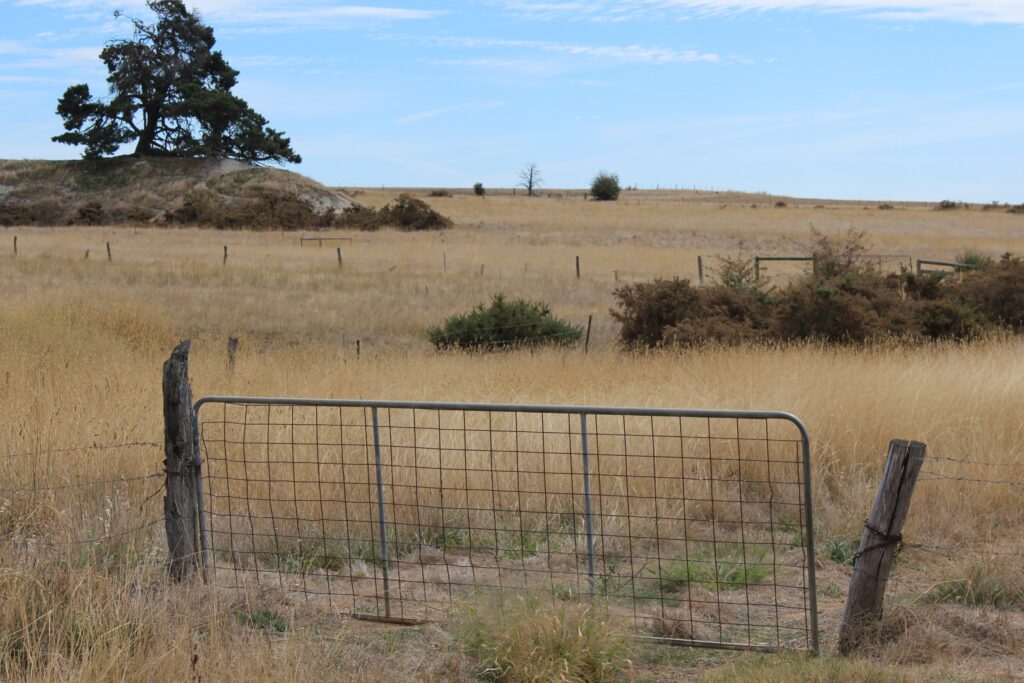
A welcome surprise
I was walking through the front paddock at night when I spotted what I initially thought was a fox.
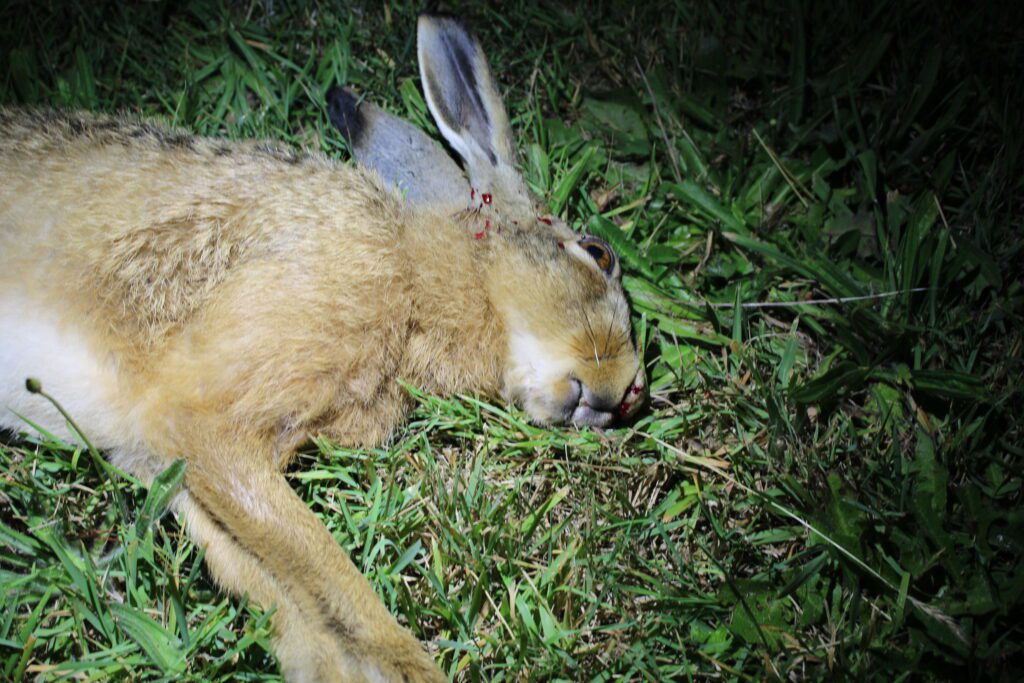
Being prepared, I unslung my .22 and used the scope to obtain a better identification. I quickly realised it was a hare and fired from about 45-50m, dropping it cleanly with a head shot.
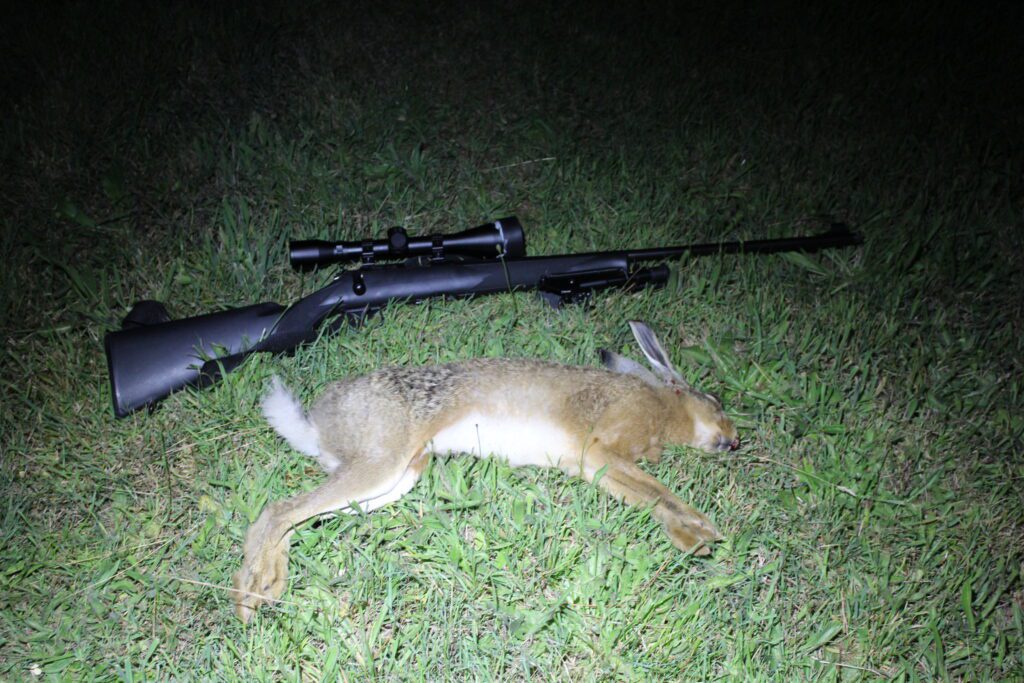
It was the biggest hare I had ever taken. In the light, it appeared almost the size of the fox I had first mistaken it for.
Light rain was falling and I had taken the shot from a standing position, so I was pleased to have placed it cleanly. Back at the nearby shed, I laid the hare beside my torch. The torch normally looks quite substantial, but it was dwarfed by this specimen.
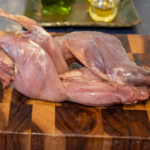
I gutted and bled the hare before hanging it in a nearby tree while I continued my evening walk. When I returned, it was still soft and pliable, making it easy to skin and quarter. I divided the saddle into three pieces and prepared the meat for the kitchen.
With home only a five-minute walk away, I decided against freezing it and placed the hare straight into the slow cooker. After seven hours of low-and-slow cooking, the meat was ready to shred for the field hare pie I had planned.
Two in quick succession
About two weeks later, another hare came my way.
Walking with my .22, I casually scanned a field and noticed something in the grass. Through the scope, I confirmed it was a hare.
It reacted to the light by ducking down, though not quite far enough. At about 45m, I found a makeshift rest against a tree branch, settled and took the shot.
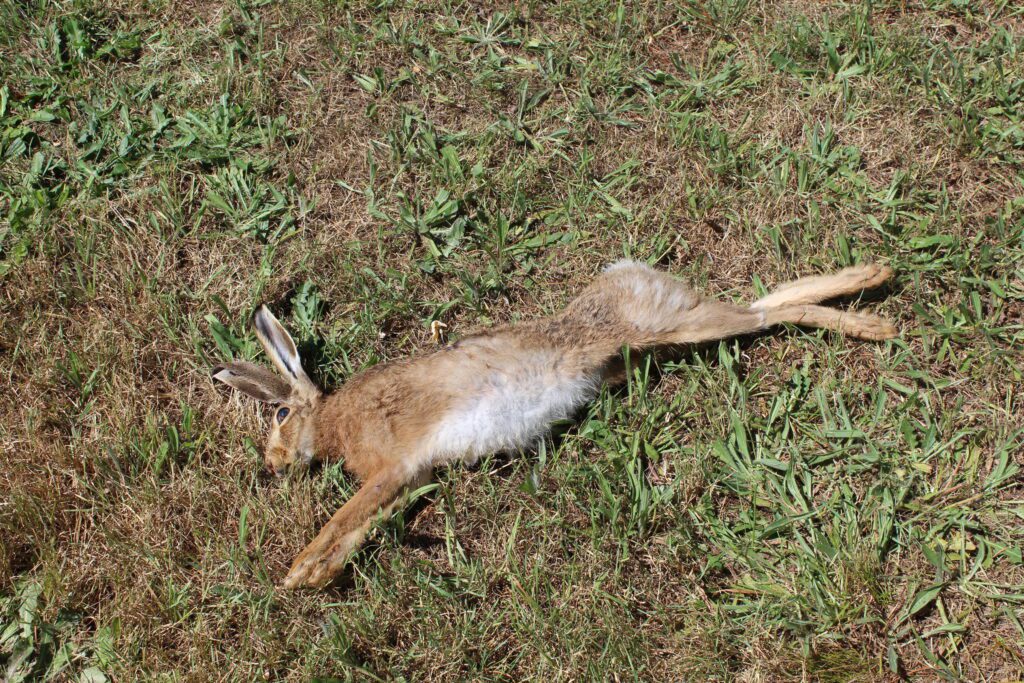
The hare leapt into the air before falling dead where it had stood.
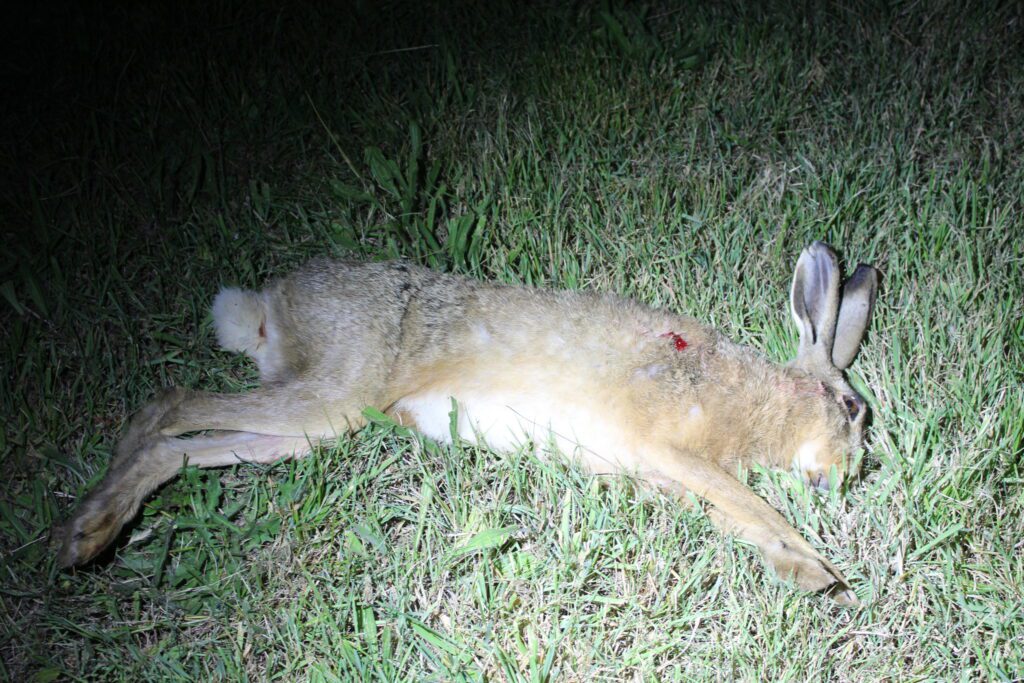
I had gone from not seeing a hare for a long time to taking two in quick succession.
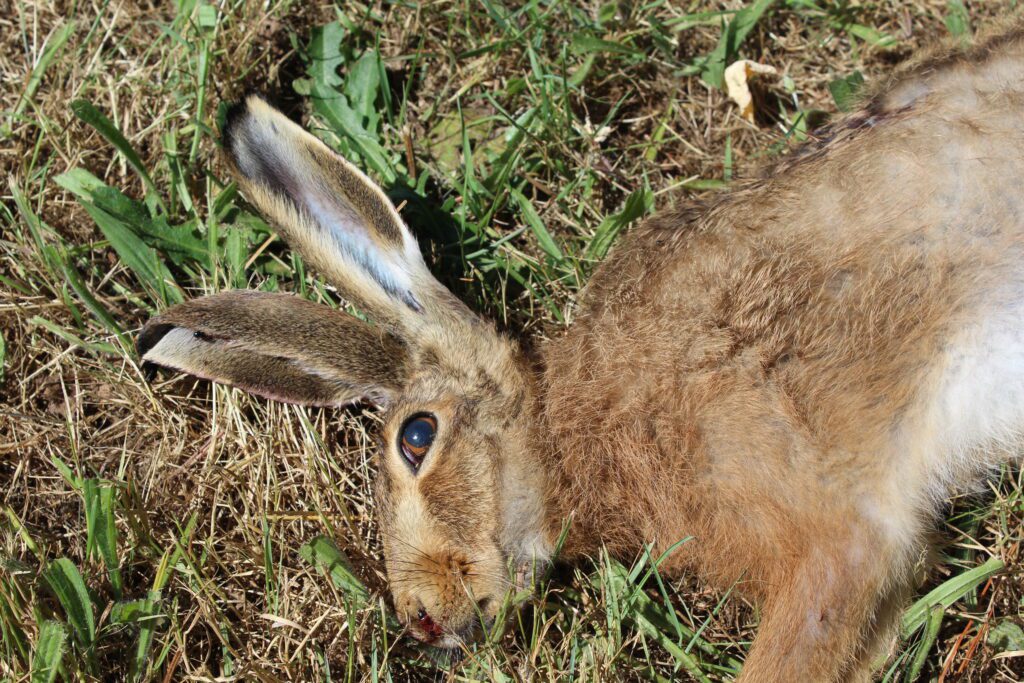
The second was quartering away, so I used a body shot and was able to preserve the skull for my small collection.

I am not heavily into collecting skulls, but I keep a few as a sign of respect for the animals. I clean each one and mount it on a piece of timber.
Whenever I look at them, they take me back to the hunt. It is not about ego or showing off. When somebody asks about one, it provides an opportunity to tell the story behind it.
Understanding hares
Unlike rabbits, hares do not dig warrens. They live above ground and are often found in knee-high grass, around rocky outcrops or beside open paddocks and flat country.
Rather than burrows, they shelter in shallow depressions known as forms. Females also give birth above ground.
Hares are generally encountered alone, although they are not strictly solitary animals. Males are traditionally known as jacks and females as jills.
Their speed and tendency to remain above ground make them a very different quarry from rabbits.
Under the spotlight
For spotlighting, I have generally found a red filter produces the best results, although it also limits effective visibility and shooting distance.
Green light appears to alert hares more readily. They can also become accustomed to it and seemingly associate it with trouble.
An unfiltered beam may therefore be the better option in some circumstances. Hares will often freeze or flatten themselves into the grass, hoping to remain unseen.
I have also watched them zigzag across a paddock in an attempt to escape the beam following them.
Whatever lighting setup is used, positive identification and a safe, suitable backstop must always come before taking a shot.
From field to table
Hares are often overlooked by hunters more accustomed to pursuing rabbits. Everyone knows Australia has a substantial rabbit population, but the wary hare tends to fly beneath the radar.
They provide a challenging small-game hunt and excellent meat for the table.
Like any animal taken in the field, a hare deserves to be used well. Their darker, richer meat also provides an opportunity to experiment with recipes beyond those normally used for rabbit.
I turned my first hare into a hearty field pie topped with mashed potato.
Find the complete Field hare pie recipe.
Share this article
Related
Articles



Related
Recipes