

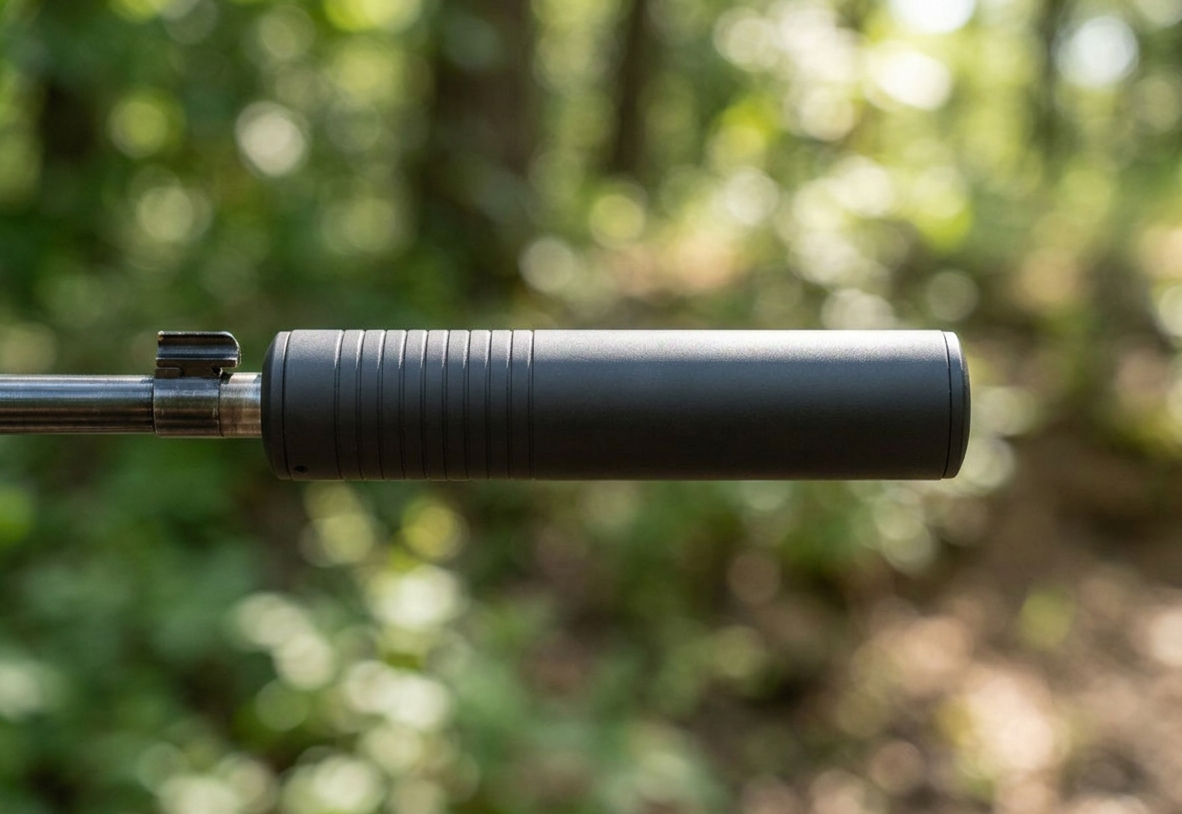
NSW suppressor restrictions under fire
New South Wales Agriculture Minister Tara Moriarty has confirmed that Local Land Services occasionally uses firearm suppressors for pest control, raising questions about why private operators undertaking comparable work face permit refusals, while licensed recreational hunters also have limited access.
During a Legislative Council exchange on November 18, 2026, Shooters, Fishers and Farmers Party MLC Robert Borsak questioned why government pest-control programs could use suppressors while private professionals faced restrictions. He highlighted their value in protecting workers’ hearing, particularly during operations targeting invasive animals such as feral pigs.
Moriarty said she was unaware of any changes being considered to Local Land Services’ access to suppressors or the rules governing their use. She acknowledged that the question also involved the Police portfolio. The exchange is recorded in Hansard.
What the minister confirmed
Moriarty said agencies within her portfolio used firearms for pest control, including feral pig management, under established rules. She described suppressor use as occasional and acknowledged calls from the pest-control and hunting sectors for wider access.
While recognising their potential workplace safety benefits, she maintained that wider availability raised community safety concerns.
Her comments related specifically to Local Land Services. Moriarty said she was unsure of arrangements within the Environment portfolio, while private permit decisions remained the responsibility of the NSW Police Force’s Firearms Registry.
Nationals MLC Scott Barrett also questioned restrictions affecting regional workers, arguing that suppressors were necessary equipment for some government pest-control operations.
The figures raised in Parliament
The NSW National Parks and Wildlife Service (NPWS) already possesses a substantial number of suppressors. In an Environment portfolio answer received on August 27, 2026, the government confirmed the agency owned 92 suppressors, used by authorised employees rather than contractors under a prohibited weapons permit.
Borsak told Parliament that NSW Police had refused 162 suppressor applications in 2025. However, the figure was presented without a breakdown identifying new applications, renewals or how many involved professional pest controllers. The total number of applications considered was also not provided, meaning a refusal rate cannot be established.
A separate parliamentary answer confirmed 726 approved suppressor permits across NSW as of May 1, 2026.
These figures describe different aspects of suppressor ownership and regulation, but confirm that the equipment is already used legally within NSW, including by government agencies.
How NSW treats private permit applications
Under the Weapons Prohibition Act 1998, NSW Police classifies firearm suppressors as prohibited weapons, using the term ‘silencer’ in its public guidance.
In a written answer received on July 9, 2026, the government explained that applicants relying on business or employment grounds must demonstrate why a suppressor is necessary for their work.
Importantly, applications to renew existing permits are assessed as new applications, with the Firearms Registry considering relevant legislation and recent tribunal decisions.
The interpretation of that necessity requirement has itself become contentious. During an earlier parliamentary exchange, MLC Mark Banasiak questioned what he described as a change in how the requirement was being applied.
The issue therefore extends beyond whether suppressors should be more widely available. It also concerns whether existing permit arrangements are being applied consistently.

Why suppressors matter in the field
For hunters, landholders and professional pest controllers, suppressors are practical equipment with several potential benefits.
By reducing muzzle blast and gunshot noise, suppressors can help protect hearing and lessen disturbance to nearby livestock, wildlife and residents. Depending on the firearm, they can also reduce recoil and muzzle rise, assisting with shot placement and follow-up shots where necessary.
During feral animal control or authorised deer management operations, reduced noise may also mean fewer animals are immediately disturbed by a shot, potentially allowing more effective and humane outcomes when multiple animals need to be taken.
SafeWork NSW identifies hazardous noise as a cause of permanent hearing loss, making it an obvious consideration for anyone regularly discharging firearms.
A 2018 scientific study found that suppressors reduced peak noise exposure at the shooter’s ear by approximately 17 to 24 decibels across the firearms and ammunition tested. They did not eliminate the risk of hearing damage, however, and appropriate hearing protection remained necessary.
Unfortunately, Hollywood has helped create the misleading impression that suppressors make firearms virtually silent. The reality is considerably less dramatic. A suppressed centrefire rifle, particularly when firing supersonic ammunition, still produces substantial noise and sounds nothing like the whisper-quiet firearms portrayed in films.
Their value lies in reducing harmful noise and improving shooting conditions, not magically eliminating the sound of a gunshot.
Overseas, that distinction is well understood.
In Britain, suppressors, commonly called sound moderators, have long been used for hunting and pest control. As we reported in Sound argument: UK eases sound moderator laws, the country went further on June 29, 2026, removing the need for individual moderator approvals while retaining lawful possession requirements for firearms certificate holders and those covered by exemptions.
The reform was intended to reduce unnecessary administration without compromising public safety. It also recognised the practical benefits of equipment widely used by hunters, professional deer managers and pest controllers.
New Zealand similarly treats suppressors as established hunting equipment. Its official Firearms Safety Code recognises their benefits in reducing noise exposure and recoil, while recommending continued hearing protection.
What about recreational hunters?
Suppressors offer the same practical benefits to recreational hunters as they do to professional pest controllers. Many hunters independently control feral pigs, deer, foxes, rabbits and other invasive animals, contributing to conservation and protecting native wildlife while undertaking work comparable to government and professional programs, at their own expense and in their own time. They also hunt a wide range of species for game meat and trophies.
Their contribution is supported by research. As we reported in What 70 collared deer reveal about hunting, recreational hunters accounted for the largest individual share of recorded shooting deaths in a NSW fallow deer study, alongside landholders and professional operators. The research did not compare the costs or effectiveness of those different approaches.
Our earlier coverage of the 2025 NSW conservation hunting bill also examined proposals for greater suppressor access by licensed conservation hunters, recognising their potential benefits for humane and effective animal management.
What remains unanswered is how the Firearms Registry distinguishes between comparable government and private operations when assessing permits. Beyond professional pest control, the case for wider access by responsible, licensed recreational hunters also deserves consideration under appropriate licensing and safety requirements.
Share this article

 Website
 Instagram
 Facebook
Related
Articles


Related
Recipes
Sorry, no related items found.