

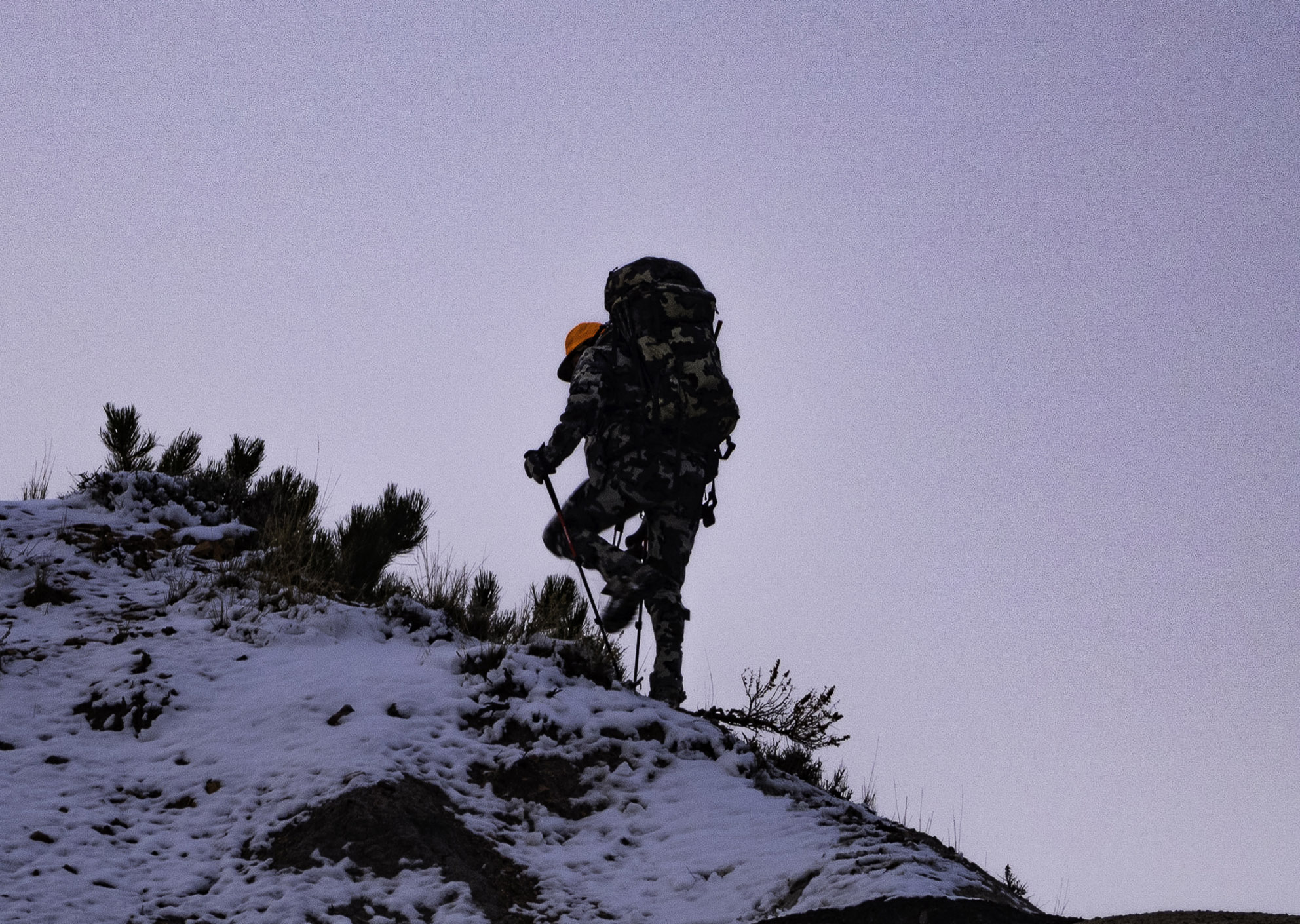
Chasing pronghorn through the Wyoming snow
It is often theorised the North American pronghorn antelopes (alias speed goats) gained their pace and awareness some 10,000 years ago. That’s when they were preyed upon by all manner of predators, from sabre-toothed cats, North American cheetahs and other great marauders. Then came today’s killers – coyotes, wolves and undoubtedly the odd mountain lion.
The antelopes call the open plains home, where weather can change in a few moments from clear sunny skies to blizzard-like conditions. With no scrub for protection, it’s no wonder the pronghorns developed a wary nature, incredible eyesight and the ability to run faster and longer than any other animal on the North American continent. All this makes them a worthy challenge for any Aussie hunter.
After a long road trip from San Francisco we arrived in Gillette, Wyoming at the end of the second week of the antelope rifle hunting season. We set up base on our allocated public land camping area. Public lands are broken up into blocks and then numbered. You must stay in the bounds of your specific area.
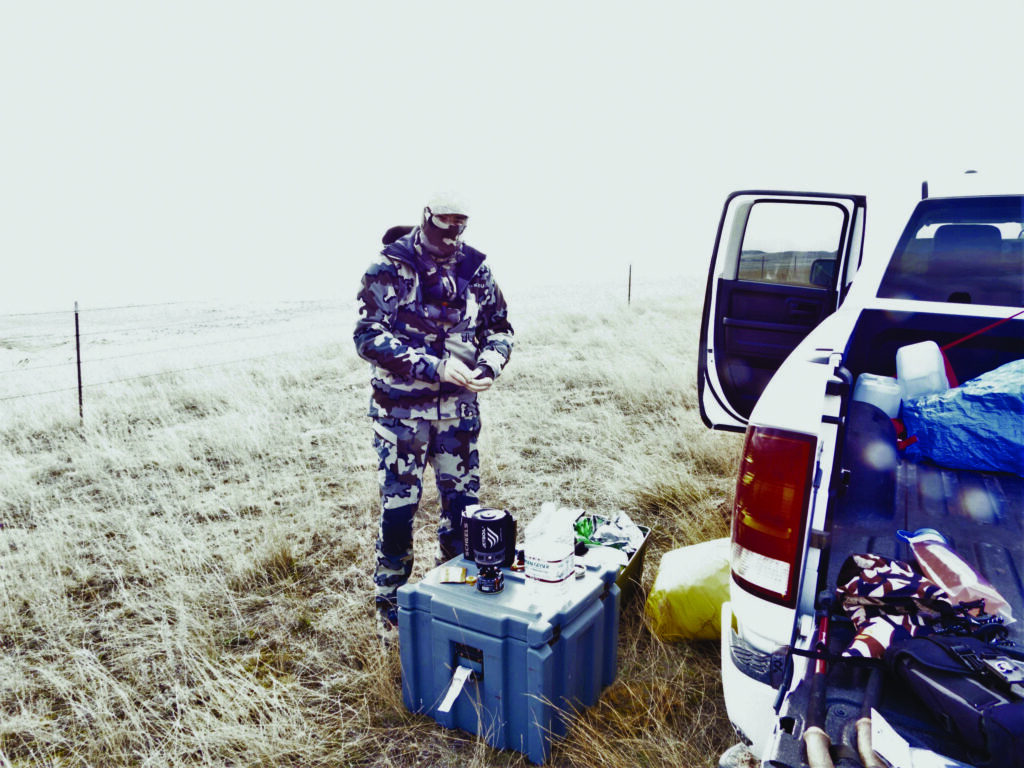
Our campsite was at the junction of two roads, affording us no protection from the elements. Timber, for fires plus soft wood that burnt as quick as matches was all a few hundred yards away. Camp consisted of two backpacking tents, a Therm-a-Rest mattress each and sub-zero sleeping bags. The tray of the Ram ute was our kitchen area. Camp set up, we confirmed zero on a makeshift range.
Waking to howling winds and grey ominous skies, we were not deterred. As we were about to don our day packs, the skies opened up and dumped 2″ of snow over the next few hours. Temperatures dropped as blizzard conditions cut visibility to a few metres, covering everything with white powdery snow. Abandoning all plans for a hunt, we drove into Gillette for some relief and warmth.
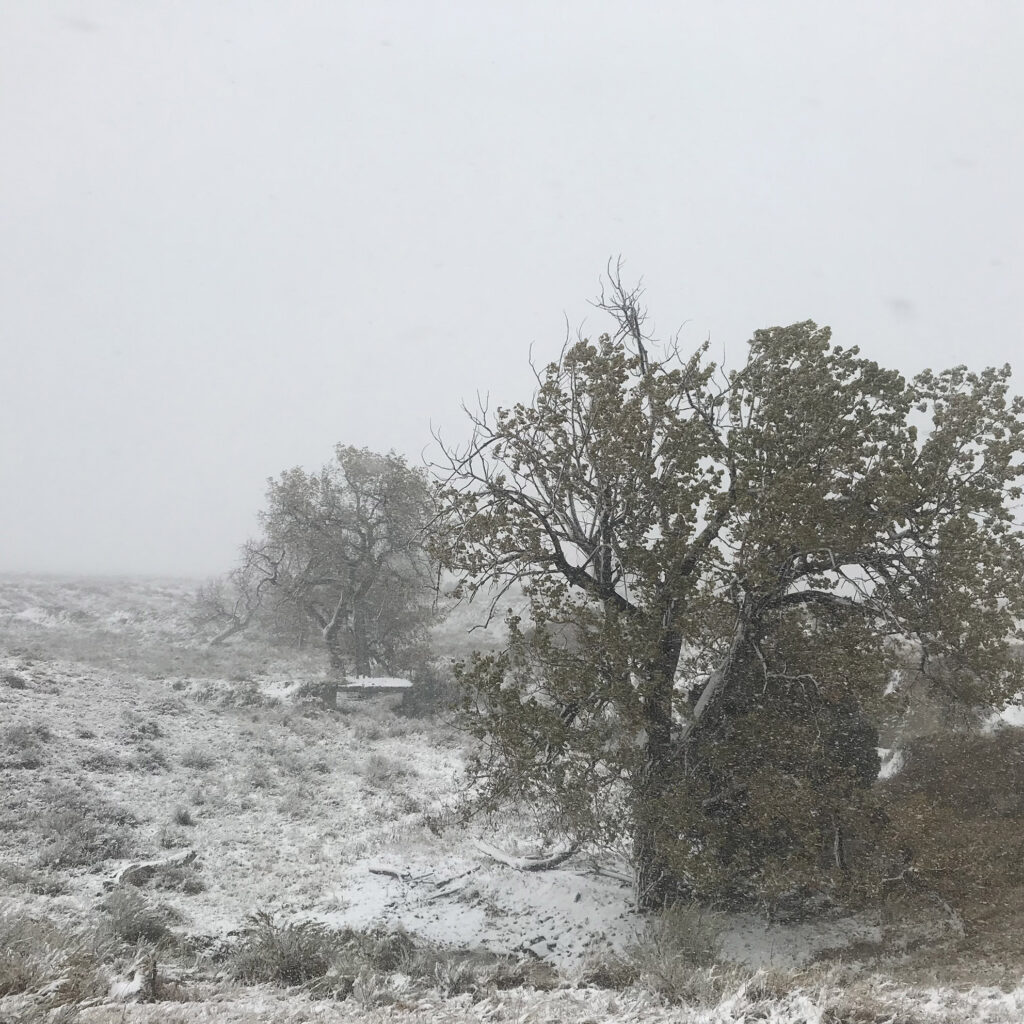
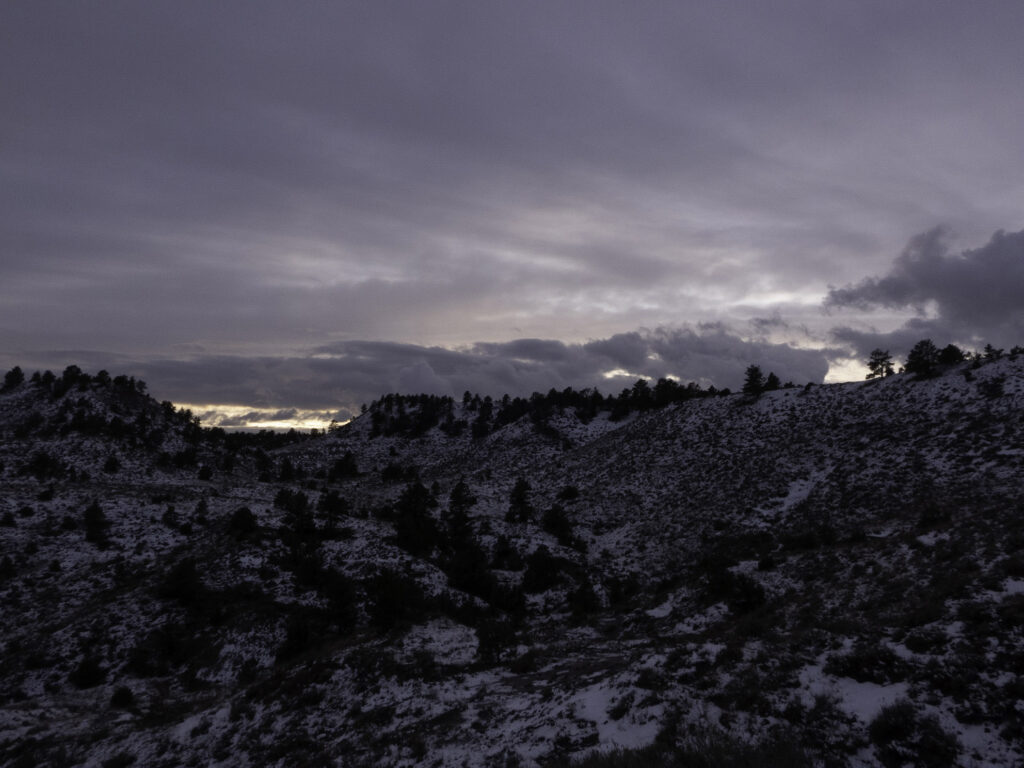
That afternoon we arrived back at camp, with the plains coated in snow. The winds had slackened from 100km/h to a gentle but frosty breeze. Having lost a day’s hunt, we were eager to be up at first light. We woke next morning before sunrise. With Global Positioning Systems (GPSs) set we were walking towards the mountains as the sun rose, with the promise of a beautiful day ahead. But by sunset we had trekked 18km without a single indication of antelopes.
Not depressed by the lack of game or sign, we began the following day searching another section of our public land area. To do so necessitated driving through mining lease country, which to our surprise was infested with antelopes. A day spent climbing to a higher elevation, glassing the plains below us was all to no avail. Antelopes do not blend into their surrounds like deer. You can quite literally see them miles away. However, we never spotted an antelope in our hunting area.
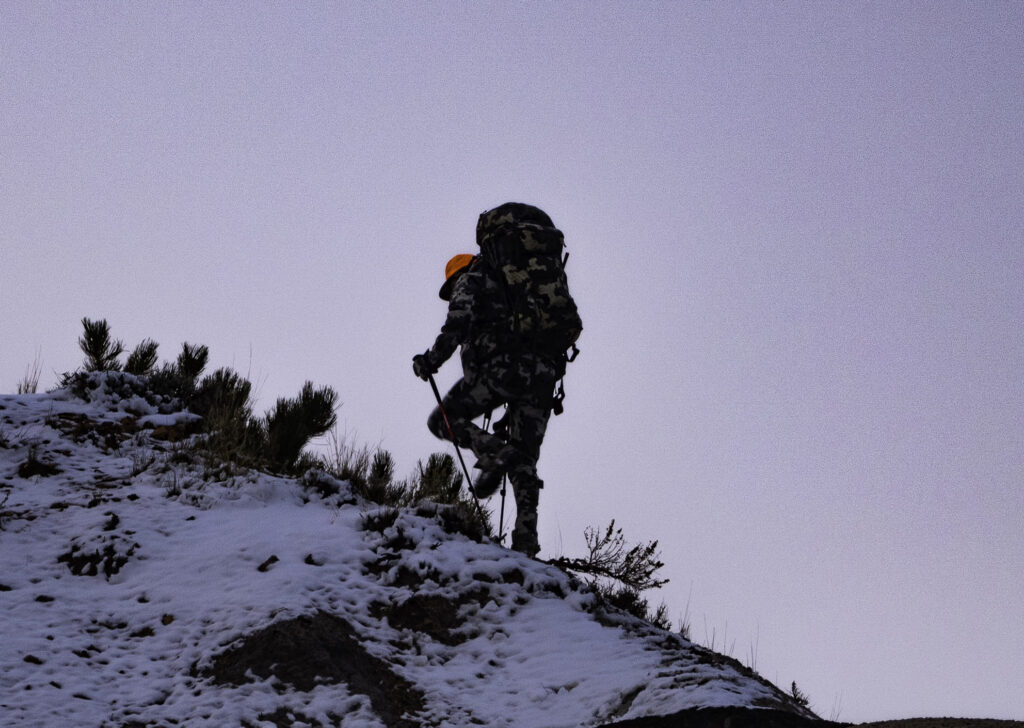
Convinced that a lack of antelope hunting knowledge may be the reason for our dearth of success, we steered our way back to Gillette to talk to some of the people we had met along the way. There is nothing quite like local knowledge. After explaining our predicament, we rapidly garnered the idea that things were crook in Tallarook.
“It is extremely unlikely, on public land areas, for anyone to shoot an antelope in the third or fourth week of antelope season,” we were told.
This is a fact all local resident hunters were well aware of, but we weren’t. It appears that once a firearm is fired during the first and second weeks of the rifle season, antelopes are quick to realise the area is unsafe. They promptly head for safer ground, often mining lease land. This helped to explain why we had seen so few on the public land and so many on mining lease areas.
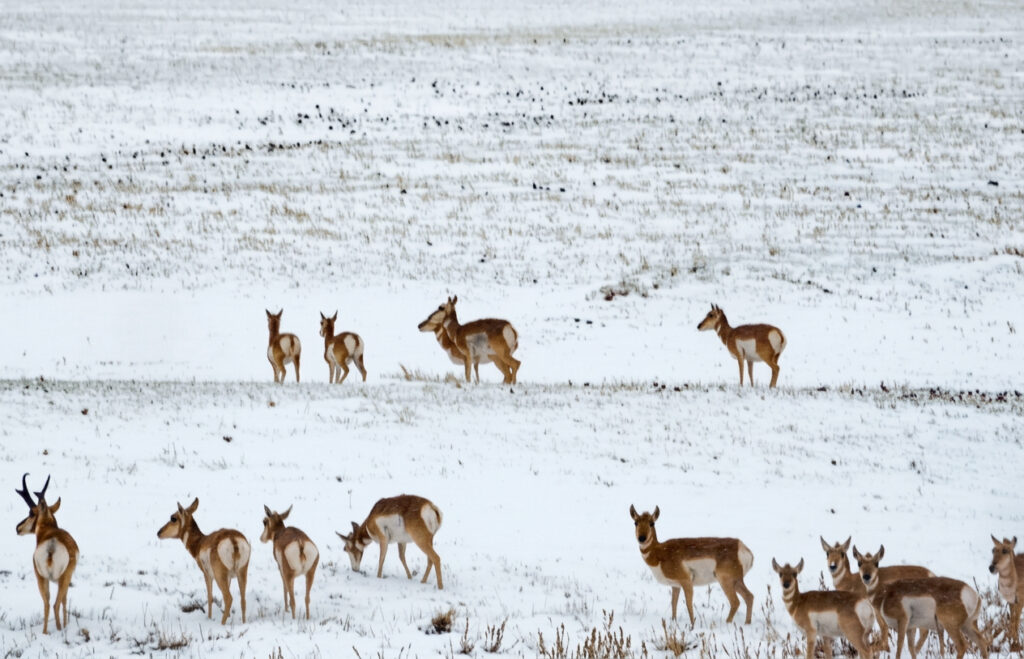
Upon further discussion, we were told that even though our tags were for public land hunting, they were still valid for private zone hunts. It would be fine so long as we had the permission of the landowner and we remained in the bounds of our designated public land boundaries. Many ranchers allowed access but quite often with a substantial fee attached.
To gain permission, we would have to door knock. We were no strangers to this, being Queenslanders where there is no public land hunting. We also knew how challenging this task can be, if not downright demoralising. After assessing the possibilities, a decision was made.
Driving into the first ranch we came across, I couldn’t help feel the apprehension building. Tobias walked to the front door, while I waited. On his return he explained this particular ranch had a longstanding arrangement with extended family, so only family would be permitted to hunt. But then he added that if we were to head for the second house down the next road, they were known to allow access.

We arrived at the ranch and were met by the manager. However, we had just missed the owner who was the only person in a position to grant permission. But then the manager added that the rancher next door may allow us on. He said he would call and speak with him. If we came back in a couple of hours, he should be able to tell us if we were successful or not.
I remember as we left the ranch thinking this was a bit convoluted as I prefer to do my own asking. But at this stage it was our only hope. We drove down the road a few kilometres, parked on the side of a dirt road and waited. Within minutes we had spotted antelopes, so quickly rifling through the truck we had our binoculars up looking at the forbidden fruits as we waited our designated time. An hour passed and the weather had changed, with winds howling. Skies were an angry grey and began dusting us with snow.
Driving to meet the manager my mindset of anxiety had changed to being philosophical. We disembarked the vehicle and were met with great news. The neighbouring rancher was keen to show these two Aussies a good hunt. If we returned the next day he would be available to guide us around. Excited, we cruised back to our isolated public land camp, packed and carried on to Gillette for a home comforts.
The following day at the allotted time we met Orrin, the ranch owner. He ferried us around, pointing out where and where not to hunt. Pronghorns appeared to be everywhere. After this quick excursion he left us and we were ready and eager to stalk the first bunch of antelopes we saw.
We clambered out of the vehicle approximately a kilometre from a herd. We began to stalk the treeless grassy plains, folds in the land our only concealment. We stalked to within approximately 400m. Promptly the real challenge of antelope hunting became apparent. Which of the hundred-odd head of pronghorns, in front of us, was trophy quality? This was the first herd we had observed with rifles in hand. All we knew was that what everybody we talked to, about judging pronghorns, had said the same thing.
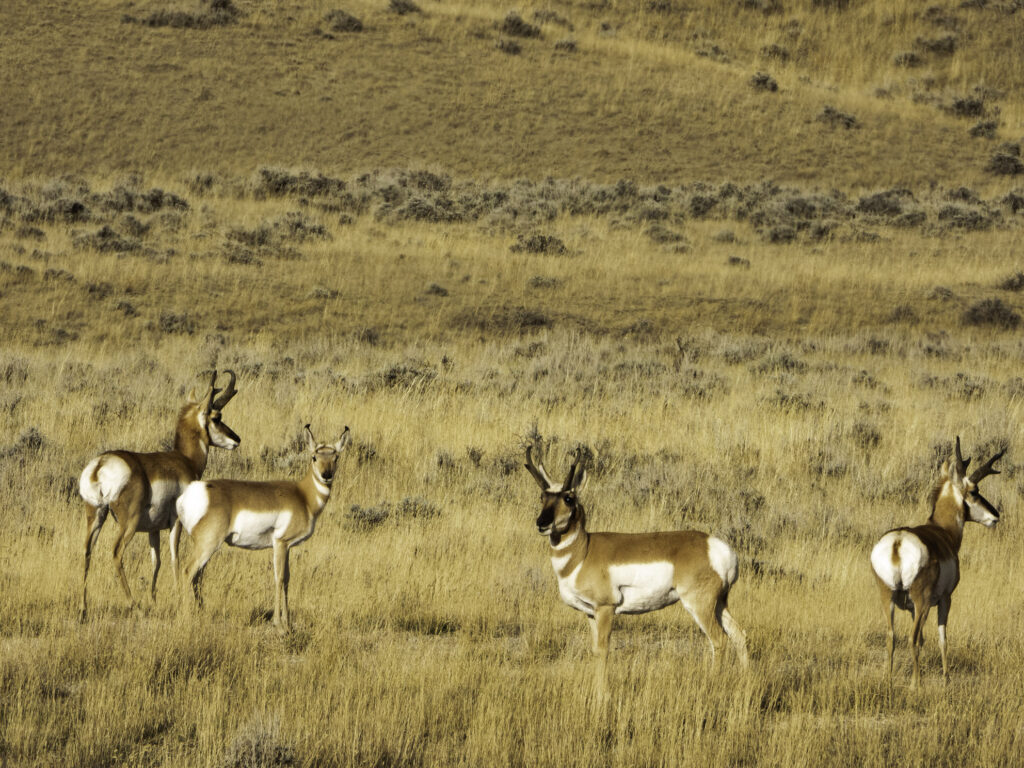
That is if the prong on the horn is above the ear you have a mature antelope. A few of the more experienced hunters also added that if you see a big one you will know in an instant. We glassed for about an hour and none of the animals in front of us flicked our switches. So we decided to back out and head elsewhere.
As we left the mob of antelopes we spotted some mule deer. Lying in the middle of the group was a buck, with a beautiful tall heavy rack. I would so have liked to have taken him, but there were a few obstacles that precluded me from shooting. Firstly, I was sitting in the front seat of a vehicle and had not hunted him; secondly I didn’t have a tag and thirdly we had gained access on the premise of hunting antelopes, not deer. But that didn’t stop me from photographing him. We stalked within bow range, which was exciting in itself.
Our day came to a close without a shot being fired. The following day we arranged to be there earlier. Arriving late that morning, we stalked a couple of groups but nothing caught our attention. On private land you often see working oil wells which afford good cover in country predominately flat and treeless. Later we stood next to one of these oil wells, as mule deer came into view. Unobserved, we watched as a couple of young bucks sparred.
Tobias then slipped along the fence line, while I crept closer to the sparring deer. After 10 minutes the deer decided they had had enough and walked away from each other and me. I looked towards where I last saw Tobias. Suddenly in the distance an antelope raised its head. My first impression was “wow!”. Controlling my excitement, I headed toward Tobias for a second opinion.
He was glassing the buck I had seen. But quietly I asked him his thoughts about the antelope. His reply was: “I am not sure whether he is really long, or he just looks long because of his black nose.” We continued to glass him. As the antelope moved about, he dropped down into a small fold in the ground, with only his horns visible. This helped shed any doubt I had. Quickly assessing him as a taker, I turned to Tobias saying I would go for him if he chose not to.
Using the lay of the land we stalked to 113m. Resting on the spotting scope’s tripod I aimed truly. My quest for a Wyoming speed goat came to its end. As we walked up to the dead animal my levels of excitement rose as it became obvious there would be no ground shrinkage with this trophy. Winter was around the corner, with light fading quickly and temperatures plummeting. We loaded the animal on the truck and headed for the motel where I could finish capping and dressing my speed goat.
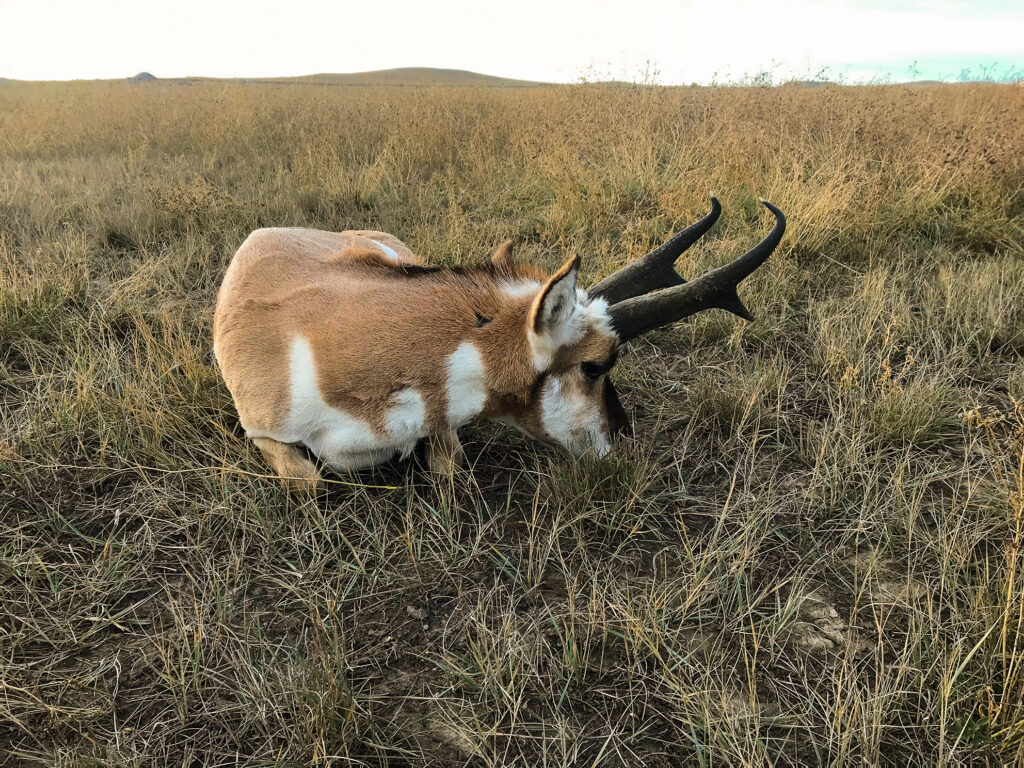
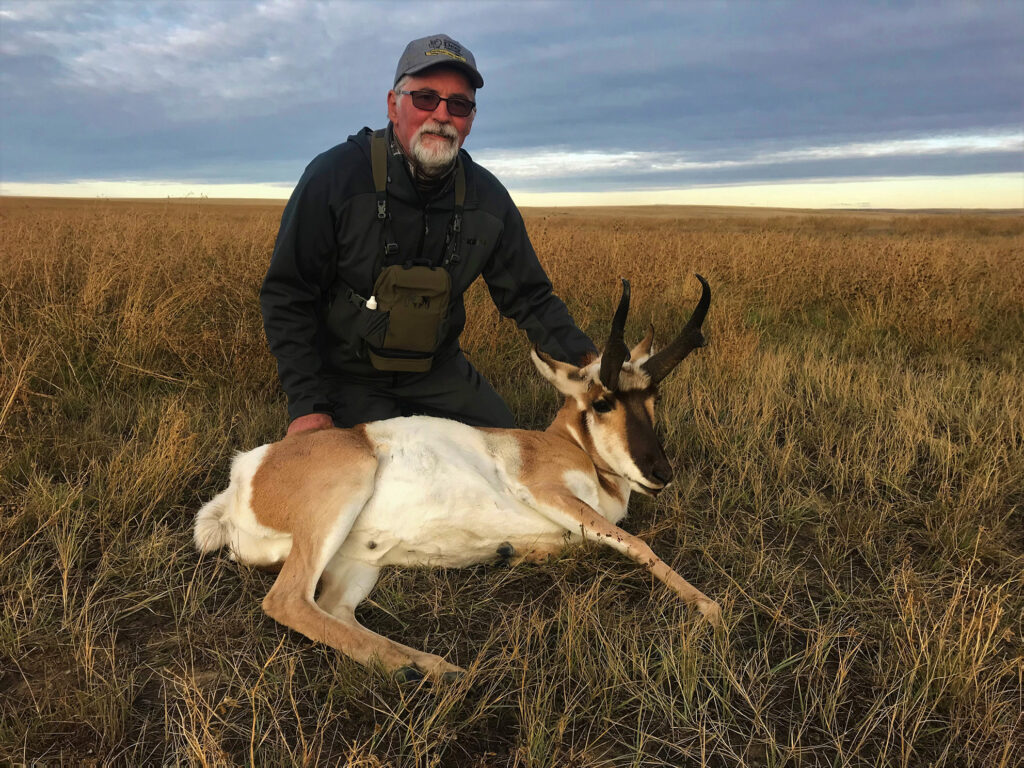
During the few days we had left in Wyoming, Tobias managed to take another beautiful pronghorn. We had learnt much in a short period of time. Hunting the speed goats of the North American plains turned out to be a challenging yet fulfilling and rewarding venture, including our magnificent pronghorn trophies back home.
Share this article
Related
Articles


Related
Recipes
Sorry, no related items found.