

Australia’s 200 million rabbits remain a national challenge
With CSIRO estimating Australia’s feral rabbit population at around 200 million and hunters and landholders reporting increasing numbers across the country, the challenge of controlling one of our most destructive introduced species is far from over.
Findings from the National Vertebrate Pest Management Report Card 2026, reported by Australian Associated Press in mid-November, identified increasing rabbit populations in Victoria, Tasmania and the ACT over the past five years, along with worsening environmental damage in New South Wales and Tasmania.
While the assessment recorded little overall change nationally in rabbit numbers, distribution and impacts, these broad findings mask considerable regional variation. As Australian Hunter reported in September, growing rabbit populations are by no means confined to the three jurisdictions identified, with hotspots including parts of southern Western Australia, the NSW Riverina and suburban Canberra.
The extent of these population increases should become clearer with the release of the full assessment. On November 24, 2026, the Senate ordered the tabling of the report card and its individual species assessments by midday on December 7, 2026. The order covers rabbits and five other invasive animal groups, along with departmental records relating to the publication of the report.
The cost to agriculture and the environment
The federal Department of Agriculture, Fisheries and Forestry estimates rabbits cost Australian agriculture up to $197 million annually in production losses and control measures, a figure that does not account for the broader environmental damage they cause.
In addition to consuming pasture and crops, rabbits compete with native wildlife for food and inhibit the regeneration of native vegetation. Repeated grazing of seedlings prevents young plants from replacing mature vegetation, while the loss of ground cover contributes to soil erosion and reduces shelter for native animals.
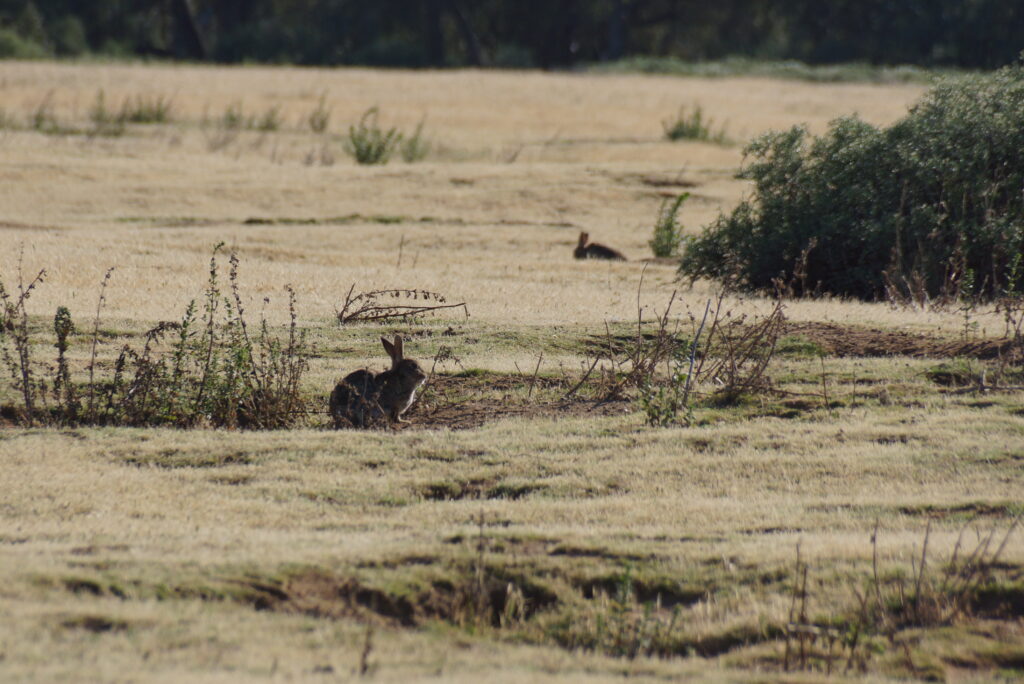
Competition and land degradation by rabbits are recognised by the Commonwealth as a threatening process, subject to an approved threat abatement plan.
According to CSIRO, even fewer than one rabbit per hectare can prevent the regeneration of certain native trees and shrubs. An area of mature vegetation may appear relatively healthy, yet the absence of seedlings and younger plants can reveal the extent of ongoing rabbit damage.
Biological control alone isn’t enough
The introduction of myxomatosis in the 1950s and the official release of rabbit haemorrhagic disease virus (calicivirus) in 1996 dramatically reduced Australia’s rabbit population from its historical highs. However, evidence of resistance in some wild rabbit populations highlights the ongoing challenges facing biological control.

While CSIRO researchers continue to monitor rabbit diseases and investigate future biological control options, conventional control methods remain an important part of rabbit management.
Agriculture Victoria’s integrated rabbit control guidelines emphasise the importance of combining control methods and coordinating efforts across neighbouring properties, given the ability of rabbits to recolonise areas from adjoining land.
The agency also recommends monitoring rabbit activity and environmental damage before and after control measures are undertaken, using consistent methods to assess their effectiveness. Fewer rabbit sightings do not necessarily indicate successful control, particularly where grazing damage persists or activity resumes around old warrens.
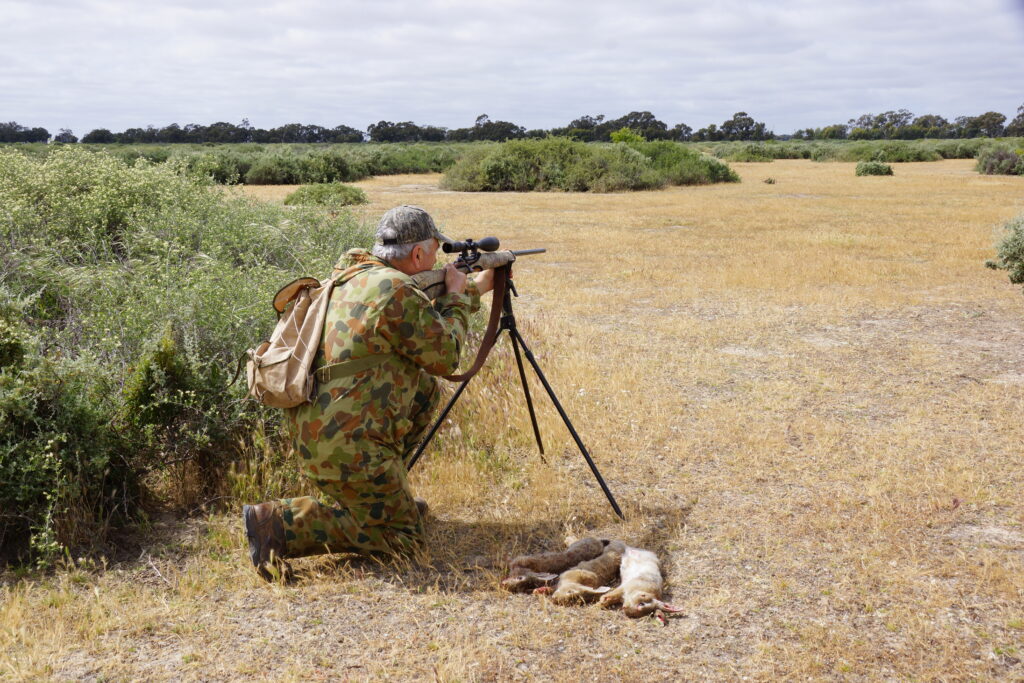
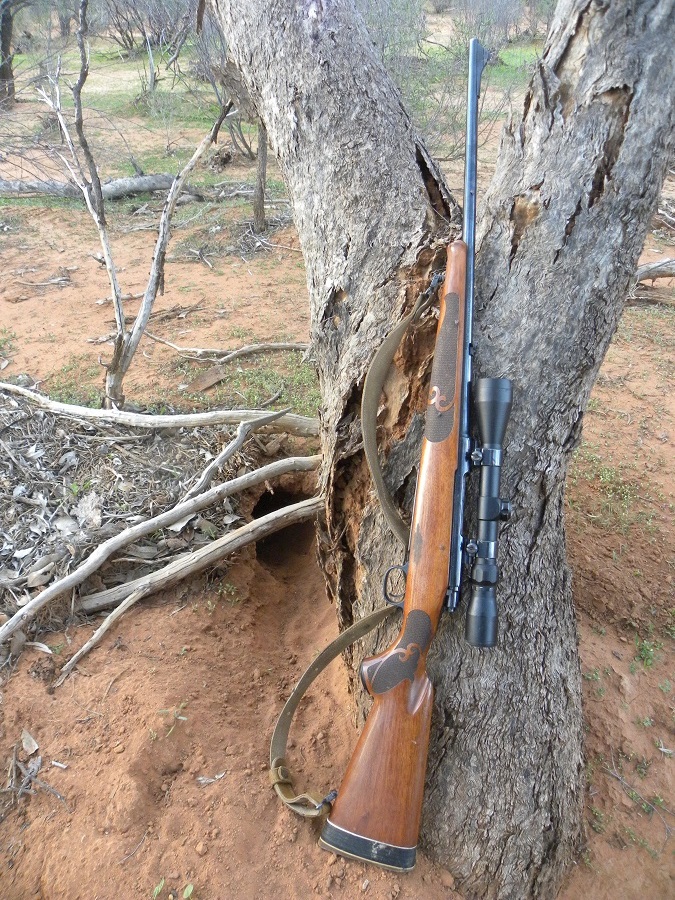
Recreational hunters make a valuable contribution to rabbit management, undertaking pest control in their own time and at their own expense, both independently and in conjunction with landholders. Regular hunting can help suppress local rabbit populations and complement broader control programs while making use of an abundant wild game resource.
It’s time to put rabbit back on the menu
For generations of Australian hunters, rabbits were the mainstay of their hunting and a regular feature on the family dinner table. It’s a tradition well worth reviving.
Often overlooked in favour of larger game, rabbit hunting is an enjoyable and accessible pursuit for experienced hunters and an excellent way to introduce newcomers to hunting.
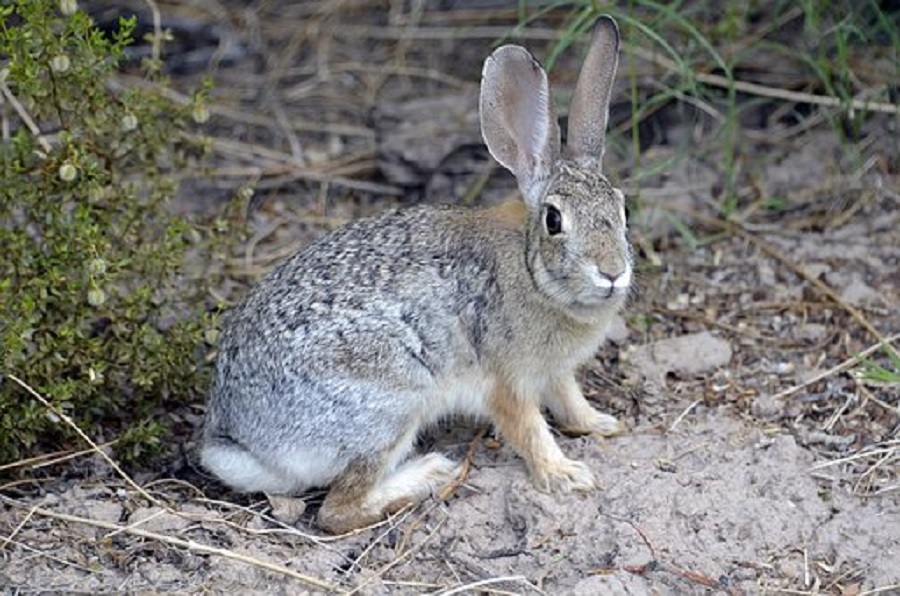
Wild rabbit is a lean, versatile and delicious source of protein. For some culinary inspiration, try our Maltese rabbit, Moroccan rabbit and pumpkin or bacon-topped roast rabbit, among the many wild game recipes on the Australian Hunter website.
With an estimated 200 million rabbits across Australia, there’s every reason to get out bush, take a mate, do your bit for the environment and bring home some quality wild game meat. It’s time more of those rabbits made their way onto our dinner plates.
Share this article

 Website
 Instagram
 Facebook
Related
Articles


Related
Recipes