
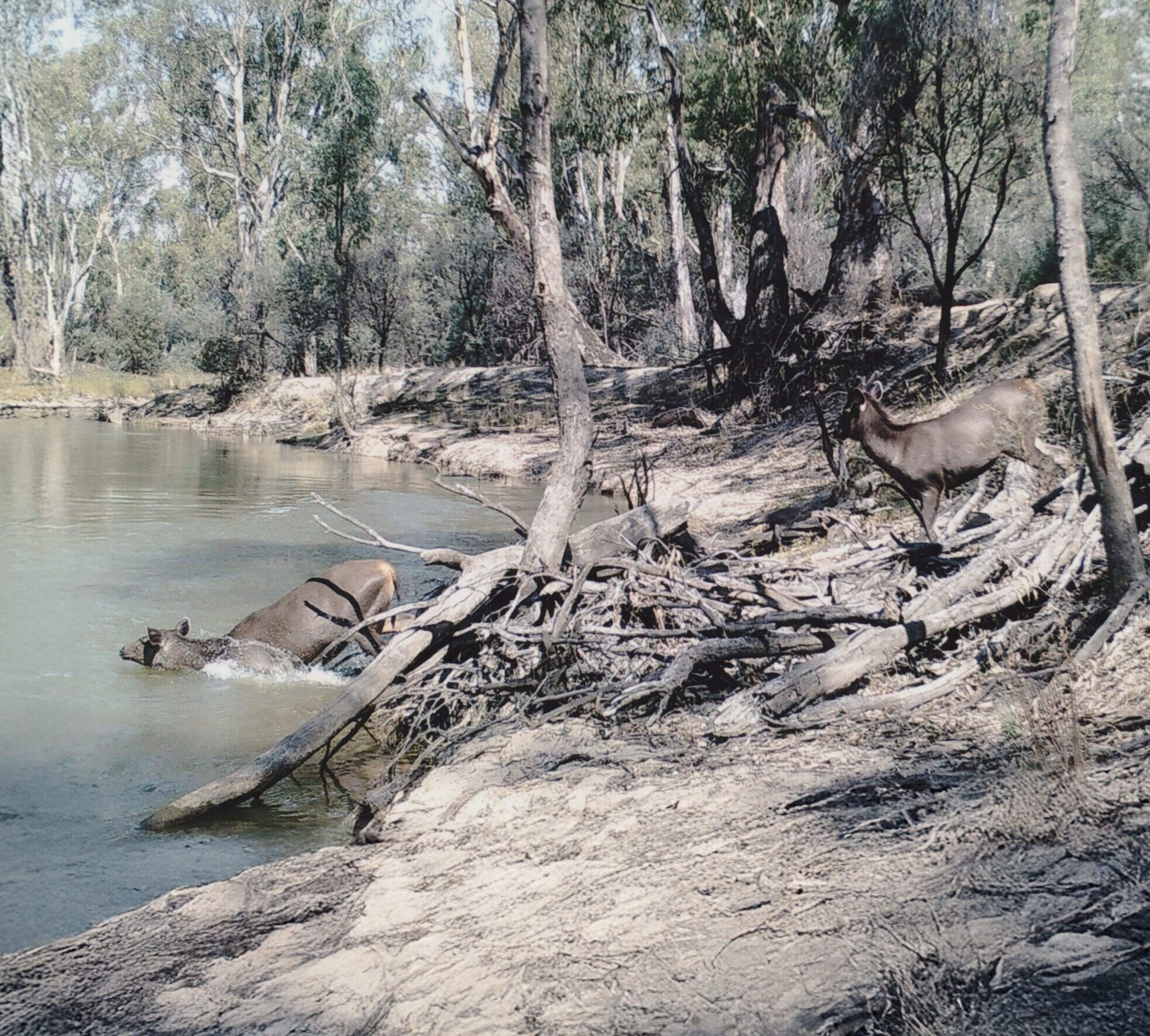
Sambar on the move
I had been hunting this area of private property for the last couple of hours of daylight and although I had come across the occasional patch of fresh sambar sign, I was yet to run into a sambar. Nothing unusual for me, it looked as though it was going to be just another walk in the bush with the rifle. With very little shooting light left I remembered a promising spot at the end of a watercourse, not too far from where I was, so figured I’d head that way.
I wasn’t holding out much hope of success as the final 50m was through shoulder high Bathurst burr, fallen timber, you name it. So, you can imagine my surprise when, finally clear of the mess, I was looking at a stag, just standing there. My resulting shot had the stag crashing down in the failing light.
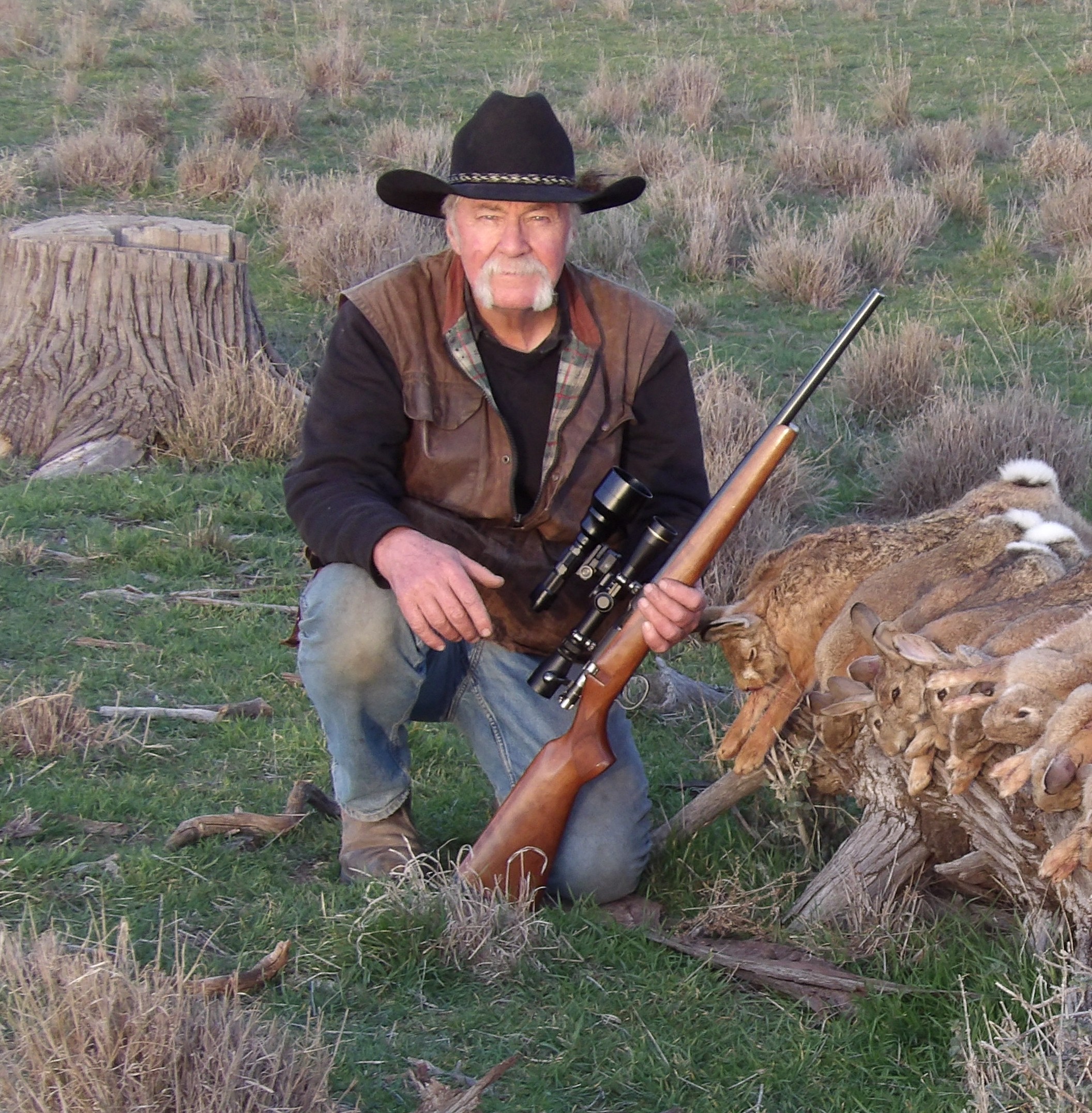
When I started sambar hunting all those years ago, I made the conscious decision of not going down the trophy hunting path, not that I have anything against it. I was only interested in matching my hunting skills against the holy grail of hunting, the mighty sambar deer. Along with that, a freezer full of venison would certainly come in handy.
The lure of being able to hunt all those magical out of the way valleys and gully systems of the Victorian High Country proved irresistible. Every Thursday for years, as well as numerous weekends, would find me hunting in some little valley high up in the Victorian Alps.
Over those years, through persistent hunting, it all started to fall into place and while I don’t consider it relevant to divulge the number of deer taken, suffice it to say I’ve been quite successful. It has come down more to determination than skill, absorbing anything I considered relevant, plus an awful lot of time in the bush learning.
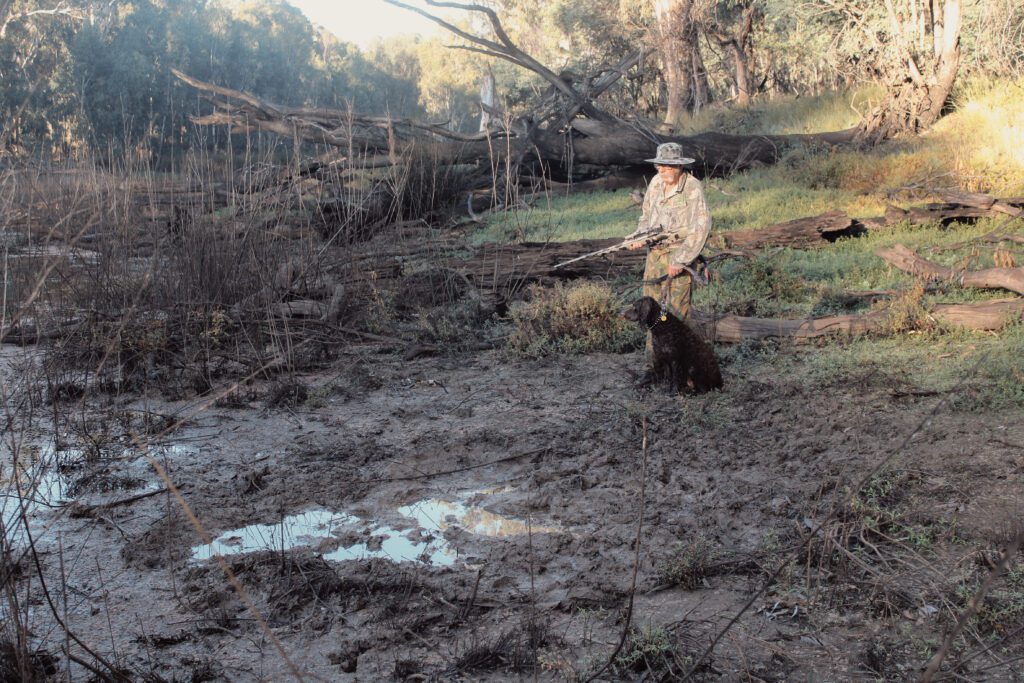
I didn’t seem to be able to get enough of deer hunting and no sooner had one hunt ended than the next one was being planned. Places included Buckland Valley, Myrrhee, 15 Mile Creek, Middle Creek, Nariel Valley, Kiewa Valley, the upper reaches of the Murray River, Wonnangatta Valley and a host of others as well. Success came in all but one location, Wonnangatta Valley. I must be one of the very few deer hunters who put in a solid five days hunting there without even seeing a deer, let alone firing a shot.
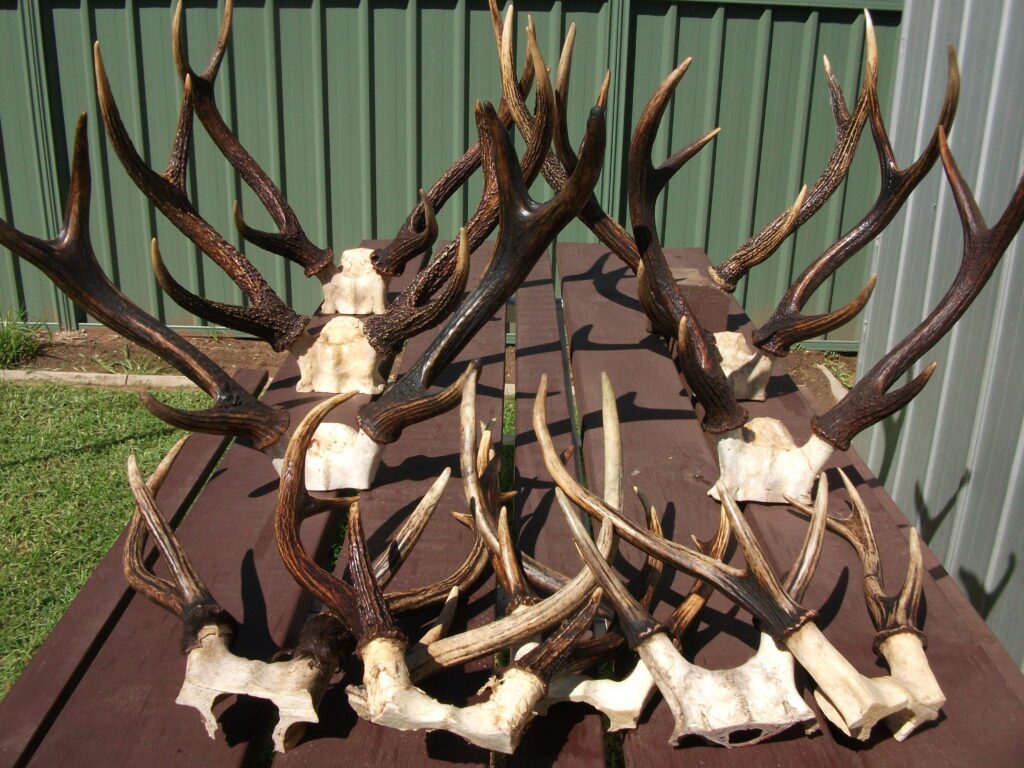
True to my decision, made when I started deer hunting, I have never measured a single head that has fallen to my rifle, and I have only had several so-called good heads mounted. Most were for my daughters, who wanted to hang them on their lounge room walls, and one for an old mate in Western Australia. I was there for the enjoyment of the hunt, and to wander through those magnificent valleys.
I have never forgotten what a closed shop the hunting of sambar was when starting out. Thankfully, that is not the case now. Nevertheless, it has been great to, over time, help fellow hunters get started on their deer hunting paths. The experience has been enjoyable for all concerned.
In the early days, the sambar deer range was roughly confined to the Victorian Alps, but over time the sambar range started to spread out. Whatever caused this is anyone’s guess, but I think the bushfires that frequently ravage their home ground would have something to do with it. It soon became obvious the sambar were moving north into New South Wales, and probably nearing Queensland by now. Regular sightings of deer crossing the Murray River in several spots were becoming more common. Indeed, a stag was spotted swimming across the Murray River west of Rutherglen recently.
While this was interesting it is certainly nothing new, sambar have been crossing the Murray River for nigh on 50 years in our area. The first one I remember hearing about in NSW was spotted just north of the Murray River near Berrigan in the early 1970s. One time during the early 1980s my brother and I were hunting pigs along the NSW side of the Murray River (it was legal then) when I came across a series of unfamiliar tracks and a few wallows later on, which I put down to pig activity. I now realise the tracks and wallows were those of sambar deer.

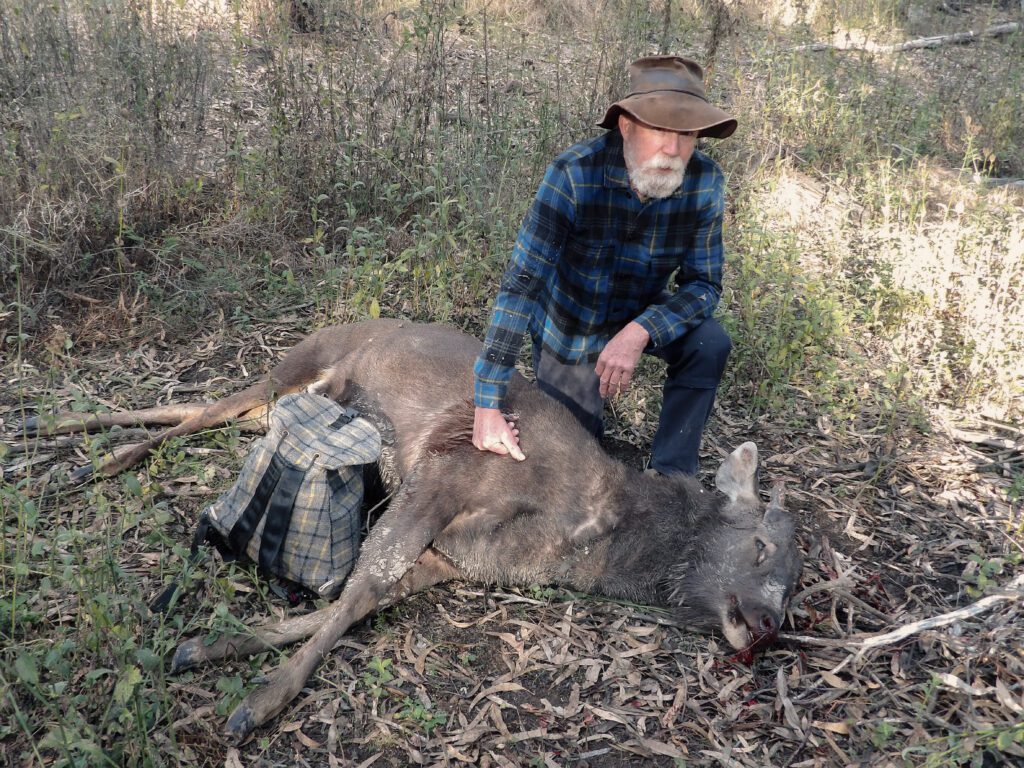
A couple of years back, while hunting pigs on a property just south of Cobar, NSW, we came across the carcass of a sambar stag that had fallen foul of hunters. That’s a long way from their so-called accepted range. With the sambar on the move, I reckon anyone could fire a shotgun cartridge at a map of Victoria and anywhere a pellet struck a deer of one species or another could be hunted.
So now, with the sambar gradually heading north no secret and indeed well documented, it won’t be long before they are well entrenched in the Great Dividing Range. Having said that, what of the sambar heading west? While there has been little mention of the fact, the evidence certainly points to it. I live not far from the junction of the Murray and Ovens Rivers and sambar are being spotted quite regularly.
When you look at the demographics, it all becomes clear. It would take very little effort for sambar to cross the Hume Freeway, west of Wangaratta, move into the Warby Ranges then down to the Murray River via Killawarra. Another way would be to follow the Ovens River down to where it runs into the Murray. This would go some way to explaining how my daughter, whose farm is a short distance as the crow flies from the lower reaches of the Ovens River, sees the occasional sambar wandering through her area.
I think they are sambar, her description of a big brown deer with a ginger butt certainly points toward them. A family friend owns a gravel pit close to the lower Ovens River and he saw a dead sambar hind, a victim of a road accident, beside the road not far from the entrance to his gravel pit. One late afternoon last year while driving down the Hume Freeway, just before one of the turn offs to Benalla, I spotted two sambar hinds standing in a paddock watching the traffic passing by.
With very few hunting opportunities, apart from private properties along the lower sections of the Ovens and Murray Rivers, sambar could travel with practically complete immunity, only coming to grief when straying onto private property.
I reckon the movement westward along the Murray River has been going on for some time now. I could be wrong, but the evidence certainly seems to back up my reasoning. I don’t think human habitations concern them that much, as towns can be bypassed after dark. This train of thought bears credence as most people I talk to, who have sighted a sambar, relate encountering them after dark.
Occasionally one wanders close to a town and the sighting quickly gets around via the grapevine (or Facebook). A while ago, during the middle of the day, I got a phone call from my eldest daughter: “Guess what dad?” Being the father of three daughters those words would have had me cringing once upon a time, but my ears did prick up when she continued, “I am down at the supermarket in the main street and there is a sambar deer just standing here watching the traffic.”
It was causing quite a stir among the locals, probably none of whom had seen a deer before, let alone on the main street. It was the second one I had heard of that week; the other one had startled a lady driving along when it ran out of the local cemetery. Most likely it was the same deer. Eventually the non-plussed deer wandered off, leaving the locals with something out of the ordinary to talk about for some time.
Last year, while at a meeting near Echuca, I was talking to fellow hunters about duck hunting and the conversation eventually turned to deer hunting. I was told by a couple of them that after the meeting was over, they were heading out on a hunt for sambar deer. I can only guess that the sambar in question had travelled down the Murray River from my direction or they had wandered down from the mountains via another watercourse, such as the Goulburn River.
I guess only time will tell whether I am right or wrong, but one thing is certain, both sambar and I have one thing in common, we both love to wander.
Share this article