


Tasmania firearms debate heats up
Tasmania’s long-running firearms review has reached Parliament, with debate under way on changes that could reshape the state’s laws for hunters, shooters, farmers, dealers and collectors.
The Firearms Amendment (Strengthening Firearm Security) Bill 2026 covers firearm reclassification, stolen firearms, citizenship requirements, antique and collectible firearms and Tasmania’s involvement in the National Firearms Register.
The fiercest argument, however, is over a proposal to cap the number of firearms a licensed person may own.
National firearms organisations, gun-control advocates, family violence groups, farmers, dealers, collectors, hunters and sporting shooters are all watching proceedings closely. The breadth of interest reflects the scale of the bill. These are not minor administrative adjustments, but changes that could reach into almost every part of Tasmania’s firearms system.
As of September 9, ABC News reported the House of Assembly was split 17 votes apiece on the ownership-cap proposal. Independent MP George Razay could cast the deciding vote when debate resumes.
What the bill would change
The Tasmanian Government says the bill is designed to improve firearm security, strengthen information sharing and impose tougher consequences on people who steal firearms or knowingly possess stolen firearms.
Its measures include Tasmania’s participation in the National Firearms Register and a requirement for firearm owners to be Australian citizens, subject to certain exemptions.
The bill would also move straight-pull and button- or lever-release self-ejecting centrefire rifles and shotguns into the more restrictive Category C licence class.
Antique firearms are another major part of the legislation, with proposed changes covering possession, display, storage, licensing and permits to acquire.
Among the stronger criminal provisions is a mandatory minimum three-month jail term for stealing a firearm or possessing a stolen firearm.
Few licensed firearm owners would object to serious penalties for firearm theft. Stolen firearms pose an obvious public-safety risk and feed the criminal market. They also create further political pressure on responsible owners, hunters, dealers, clubs and collectors.
The more contentious measures are those aimed directly at lawful ownership.
Ownership caps become the flashpoint
The government’s bill does not contain a firearm ownership cap, but Labor, supported by the Greens, is seeking to add one.
The reported proposal would limit most licensed individuals to five firearms. Primary producers and sporting shooters could hold up to 10, with further exemptions available through the Police Commissioner.
That distinction is particularly relevant to hunters. Under Tasmania’s current firearms licensing system, recreational hunting or vermin control is a separate genuine reason from sport or target shooting. A hunter relying solely on a recreational hunting or vermin-control endorsement could therefore fall under the five-firearm limit, depending on the final wording of any amendment.
Supporters argue that caps could reduce the number of firearms taken when homes or storage facilities are targeted by thieves. They have also pointed to the national push for tighter firearm laws following the Bondi terror attack.
The Tasmanian Government maintains that a cap would unfairly penalise lawful owners who are already subject to licensing, storage, genuine-reason and permit-to-acquire requirements.
Premier Jeremy Rockliff has rejected suggestions that leaving caps out of the bill would allow unlimited ownership. Tasmania does not have unlimited firearm ownership now, he said, and the legislation would not introduce it.
Licensed owners cannot simply accumulate firearms without oversight. Each acquisition is subject to Tasmania’s licensing and permit system, while owners must continue meeting storage and other legal obligations.
The number of firearms held also reveals little about how they are used, stored or managed.
A hunter might own different rifles or shotguns for deer, rabbits, ducks, pigs, goats, wild dogs and property work. Competitive shooters can require several firearms for different disciplines, while farmers may keep equipment for pest control, livestock destruction, humane despatch and use across multiple properties.
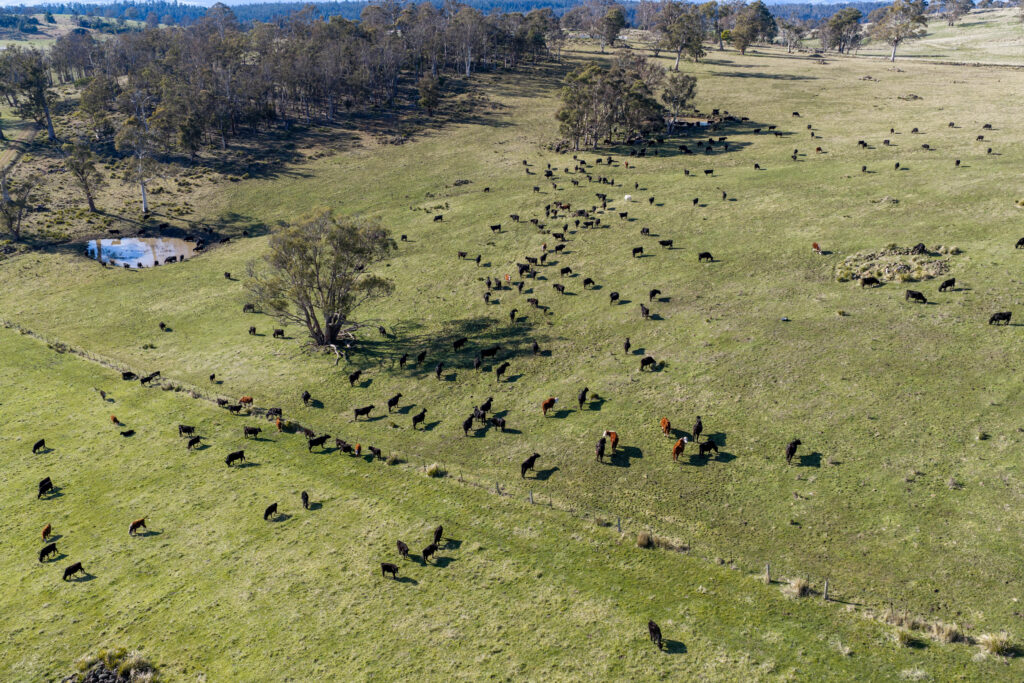
A single numerical limit may be easy to promote, but it does not reflect the varied and legitimate reasons people own firearms.
Calls for greater scrutiny
Independent MP Helen Burnet called for the bill to be referred to a parliamentary committee for closer examination.
She argued that the legislation was complex and could have significant consequences for farmers, hunters, sporting shooters and other lawful firearm owners. She also questioned the speed at which the changes were progressing.
The committee motion was defeated before debate was adjourned.
Questions about scrutiny are unlikely to disappear. More than 640 submissions were received on the draft legislation and proposed antique firearm reforms. Tasmania Police has published submissions from firearm organisations, dealers, collectors, legal and medical bodies, family violence advocates and other interested groups.
The number and variety of submissions show how widely the bill could be felt. Tasmania’s firearms laws cover far more than individual licence holders. They also affect farms, businesses, sporting clubs, historical collections and community organisations.
Two petitions opposing firearm ownership caps also attracted more than 11,000 signatures collectively before being tabled in Parliament.

Collectors face added uncertainty
Collectors have particular concerns about the proposed treatment of antique firearms and classifications based on a firearm’s operating action.
Firearm collecting is already tightly controlled in Tasmania. A licence for the genuine reason of firearms collection requires the applicant to be a bona fide collector and a member of an approved society, while the Commissioner must be satisfied the collection will have significant commemorative, historical, thematic or investment value.
Storage requirements become more demanding as collections grow. Under current Tasmanian regulations, premises where 10 or more firearms of any category, or any Category H firearm, are stored must have an electronic security device. This may be an audible or monitored alarm, or a visual recording device that meets prescribed requirements.
A historically significant firearm kept as part of a recognised collection is not used in the same way as a hunting rifle, competition firearm or farm shotgun. If those differences are overlooked, changes to classifications, permits and storage requirements could impose substantial costs without producing a corresponding public-safety benefit.
Any reform must preserve effective controls while recognising legitimate historical collections.
Dealers prepare for digital reporting
Tasmania’s contribution to the National Firearms Register is another important part of the legislation.
Tasmania Police says more than 150,000 registered firearms are being matched against National Firearms Identification Database templates. The work is intended to make firearm records more consistent and easier to share between jurisdictions.
The way dealers report transactions is also expected to change.
A Tasmania Police survey found most responding dealers still relied on paper records or spreadsheets. Many submitted transaction details quarterly or sent them by post.
The proposed system would give dealers access to a digital portal and require sales and transfer records to be submitted within 24 hours.
Accurate and timely records should help police trace firearms that are stolen, transferred or moved between states. Whether the new system succeeds will depend on how well it works in practice.
Dealers will need a reliable platform that reduces errors and double handling without creating an unreasonable workload, particularly for smaller businesses.
Buyback details remain unclear
The reclassification measures are also connected to a proposed firearm buyback.
Earlier Tasmanian Government material referred to a buyback for affected straight-pull and button-release firearms, with payments worth 1.5 times market value. A separate voluntary scheme would allow licence holders to surrender other legally owned firearms at market value.
By August, however, the government had acknowledged a change in the Federal Government’s position and warned that the final buyback arrangements might differ. A six-month voluntary buyback covering all firearms is proposed to begin after the bill receives Royal Assent.
Owners and dealers need clear information about which firearms will be affected, how market values will be calculated, whether accessories will be included and when compensation will be paid.
A buyback affects privately owned property, retail stock, hunting and sporting participation, and equipment used on farms. Confusion or inadequate compensation would risk undermining confidence in the broader reform process.
Evidence must guide the final decision
Tasmania can strengthen its response to firearm theft and criminal misuse while treating licensed owners fairly. The two aims are not incompatible.
Stronger penalties for stealing firearms or possessing stolen firearms target criminal behaviour. Better records and information sharing may help police trace firearms and investigate offences. Antique firearm rules can also be clarified where genuine weaknesses exist.
Ownership caps require a different test because they apply directly to people who have already met Tasmania’s licensing, genuine-reason, storage and acquisition requirements.
If Parliament decides to impose a cap, it should be able to show how the chosen number would reduce risk and why existing controls are inadequate. Administrative simplicity is not enough.
SSAA Tasmania President and SSAA National President Andrew Judd also stressed the importance of evidence-based policy when speaking to The Mercury.
“We have some concerns around firearm policy that’s being made based on maybe not the best data,” Mr Judd said.
Mr Judd reinforced that the SSAA supported risk-based firearm policy but wanted reforms to reflect demonstrated risks and avoid unfairly impacting lawful firearm owners.

Effective firearm laws concentrate on behaviour, security, compliance, genuine need and demonstrated risk. A fixed number takes none of those factors into account.
The final shape of the bill is still uncertain. Tasmanian hunters and firearm owners should follow official parliamentary and Tasmania Police updates, maintain accurate records of firearms and related equipment and be wary of unconfirmed information circulating online.
What happens in Hobart will also be watched on the mainland. National firearm organisations, hunting and shooting groups, gun-control advocates and other state governments are following the arguments because Tasmania’s decision could influence the next round of firearm reform across Australia.
Share this article

 Website
 Instagram
 Facebook
Related
Articles


Weipa hunt draws record field


Related
Recipes
Sorry, no related items found.