

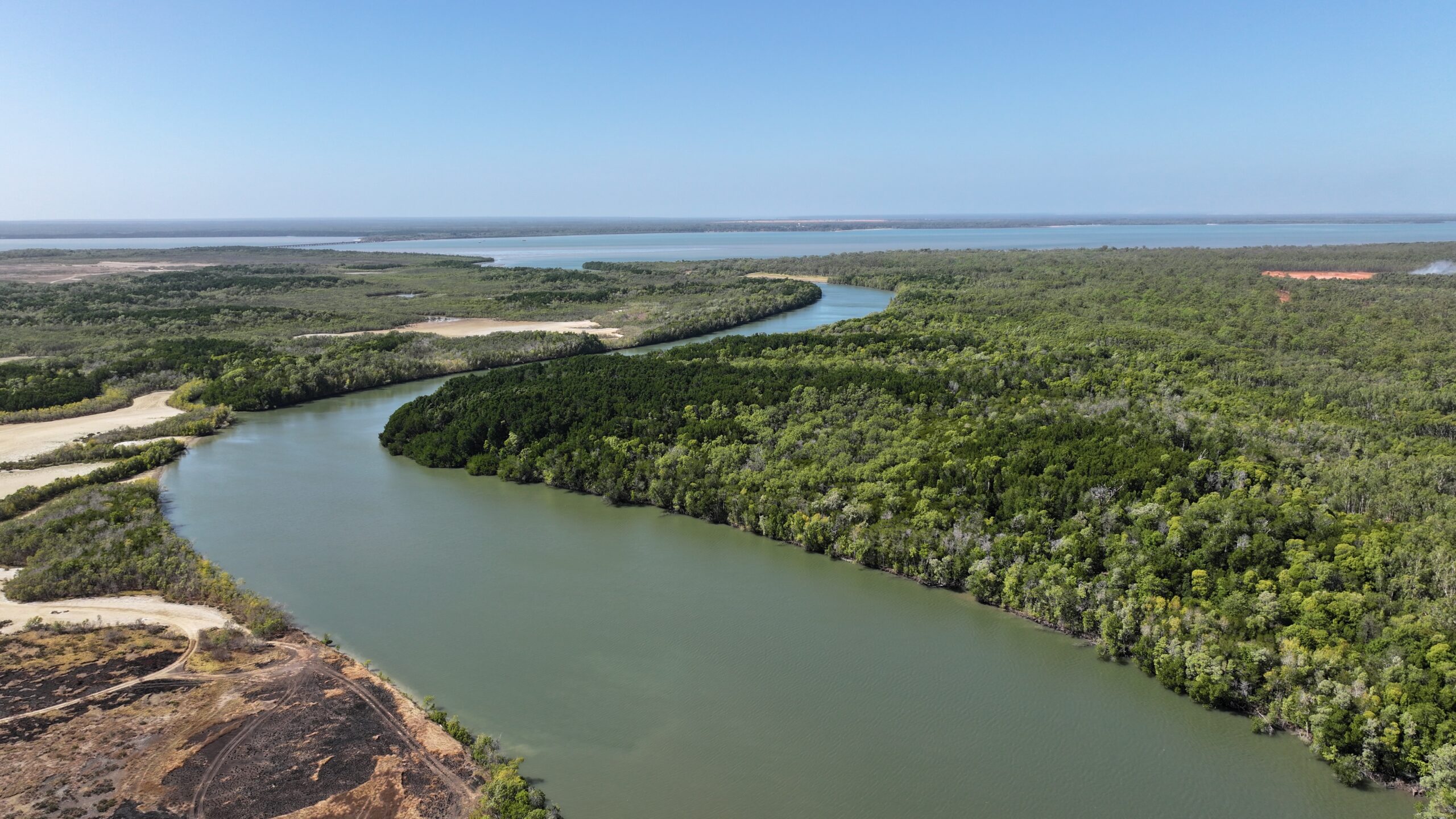
Weipa hunt draws record field
Western Cape hunters will head out around Weipa this weekend for an event that has grown well beyond its old reputation as a pig-hunting competition.
The 2026 Western Cape Feral Animal Control hunt will run on September 18 and 19, with 63 senior teams and more than 160 competitors entered. Another 10 junior ‘Toad Busters’ will tackle the cane toad side of the weekend before the weigh-in and presentations at Albatross Bay Resort on Saturday.
Pigs still dominate the hunt, but feral cats and cane toads are now firmly part of the program. So are families, local businesses, fundraising and an effort to show younger people what invasive animals are doing to the country around them.
Eight tonnes on the scales
Last year showed the scale of the effort.
A field of 149 senior competitors and 11 junior Toad Busters accounted for 320 pigs, 19 feral cats and 399kg of cane toads.
The pigs alone weighed 8018kg, with the biggest boar tipping the scales at 91.9kg and the biggest sow at 63.35kg.
Those figures were up on 2023, when the event removed 256 pigs, 24 cats and 231kg of cane toads.
What was once known mainly as the Weipa Pig Hunt has developed into a broader feral-animal program drawing competitors and supporters from communities across western Cape York.
Real work on feral animals
There is no shortage of work for them.
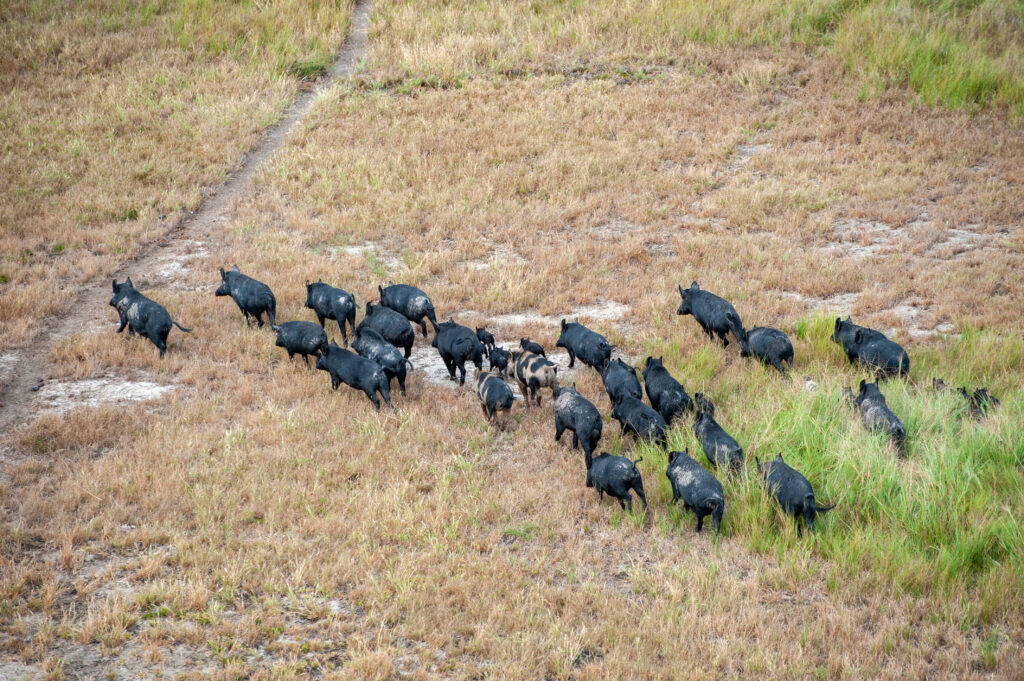
Feral pigs damage wetlands, watercourses and native vegetation, and prey on native animals. Cape York’s turtle nesting beaches provide one of the clearest examples.
Queensland Government reporting says studies in the late 1970s and early 1980s found feral pigs responsible for more than 70 per cent of marine turtle nest predation on some Cape York beaches.
Pig control has since become a major part of turtle conservation work. Through the Nest to Ocean Turtle Protection Program, more than 38,000 feral pigs have been removed across participating projects, with predator control and direct nest protection helping survival among monitored nests exceed 90 per cent.

The Weipa hunt sits alongside that broader work. Nobody is suggesting a few hundred pigs taken over a weekend will solve the problem, but it delivers concentrated local effort where feral animals are already causing damage.
Kids get involved
The junior Toad Busters are another important part of the weekend.
Children collect cane toads, learn why they are being removed and get hands-on involvement in local pest management. This year a dressed-toad race will also join the traditional weigh-in.
Western Cape Feral Animal Control secretary Tammy Clegg told Cape York Weekly the aim was to make learning about the local environment interactive and help children understand the impact of cane toads.
Spending a night finding and weighing cane toads gives children a practical introduction to conservation. They see the pest, learn how it affects native wildlife and take part in doing something about it.
For hunting families, it also makes pest management something children can be part of before firearms enter the picture. In regional communities where hunting, fishing, farming and land management are part of everyday life, that makes sense.

Giving back to the community
The hunt has also built a strong fundraising element.
After the 2025 event, leftover prizes were auctioned and the committee matched the winning $4000 bid, producing an $8000 donation to the Royal Flying Doctor Service Near and Far Volunteer Auxiliary.
The RFDS is far from an abstract charity in a place such as Weipa. Remote communities depend on it.
Similar fundraising in 2023 raised $4200 for the Weipa Men’s Shed.
More than 50 sponsors are backing the 2026 hunt, helping turn the weekend into much more than a competition.
The final tally will not be known until Saturday night, but the bigger picture is already clear. Hunters remove feral animals, kids learn why the work matters, local businesses get behind them and money flows back into the community. That is a model other regional towns could take a look at.
Share this article

 Website
 Instagram
 Facebook
Related
Articles
![Port+Arthur+Massacre_Buy+Back+Scheme[1]enhanced-2](https://australianhunter.com.au/wp-content/uploads/2026/09/PortArthurMassacre_BuyBackScheme1enhanced-2-150x150.png)


Watagans pest control highlights missed opportunity for recreational hunters
Related
Recipes