

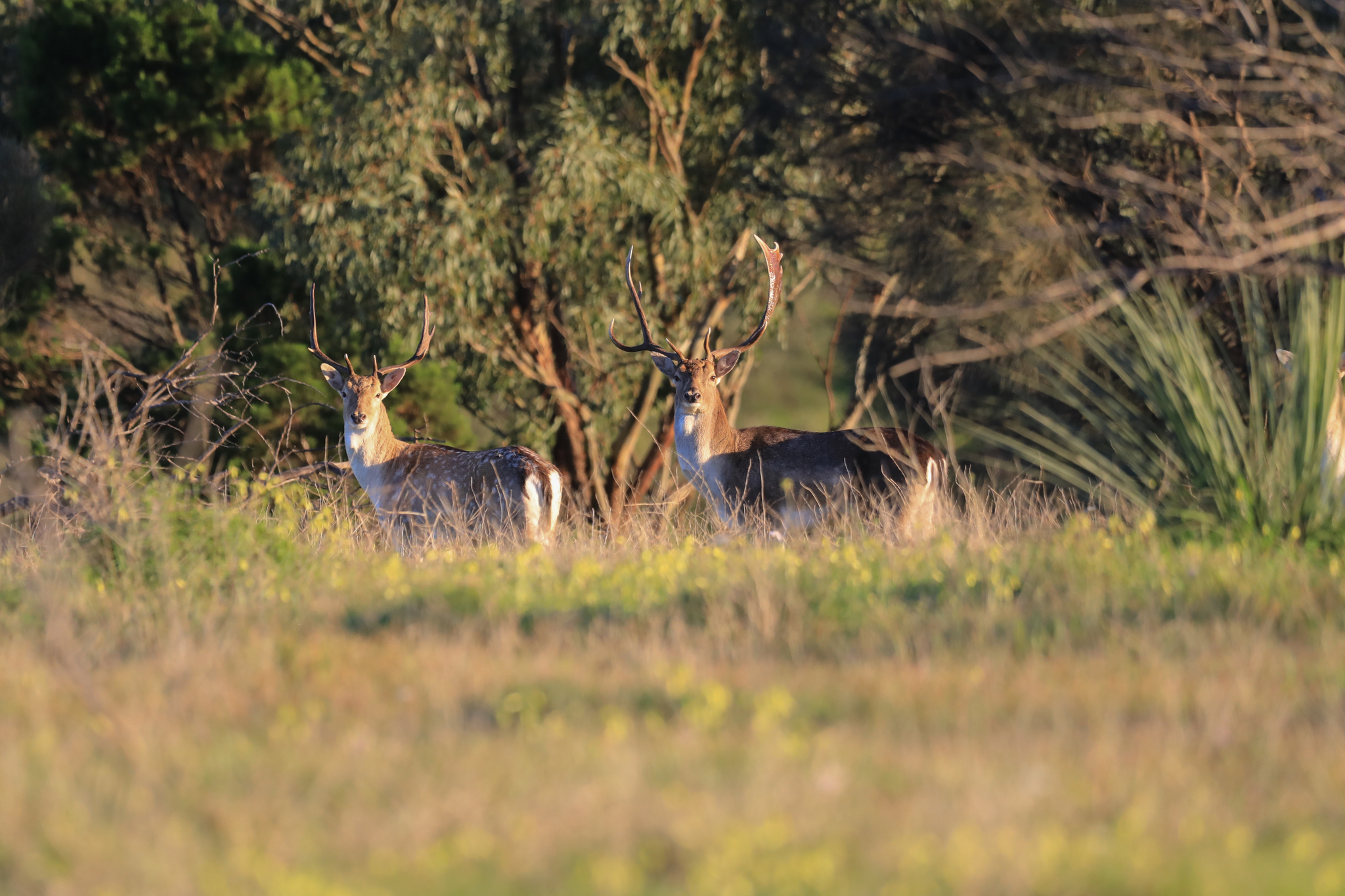
What 70 collared deer reveal about hunting
A study tracking 70 GPS-collared fallow deer in New South Wales has put hard numbers on recreational hunters’ contribution to deer management. The findings also highlight the importance of targeting breeding females when the aim is to reduce deer numbers.
The peer-reviewed research, published in the Journal of Wildlife Management on October 28, 2026, followed 44 adult females and 26 males across three private properties between 2020 and 2024.
Of the 70 deer tracked, 29 died during the study. Researchers established the cause of death for 23, with 22 shot and just one dying naturally. The remaining six carcasses were too decomposed or had been scavenged, leaving their causes of death unknown.
Of the 22 deer shot, recreational hunters accounted for the largest individual share:
• Recreational hunters: 9 deer (41%)
• Landholders: 6 deer (27%)
• Professional ground shooters: 5 deer (23%)
• Aerial culling: 2 deer (9%)
These figures need some context. As SSAA Victoria noted in its analysis, helicopter crews were instructed to avoid collared deer wherever possible so researchers could continue monitoring them. The study also didn’t compare shooting effort, costs or overall effectiveness, so the figures can’t be used to judge which method works best.
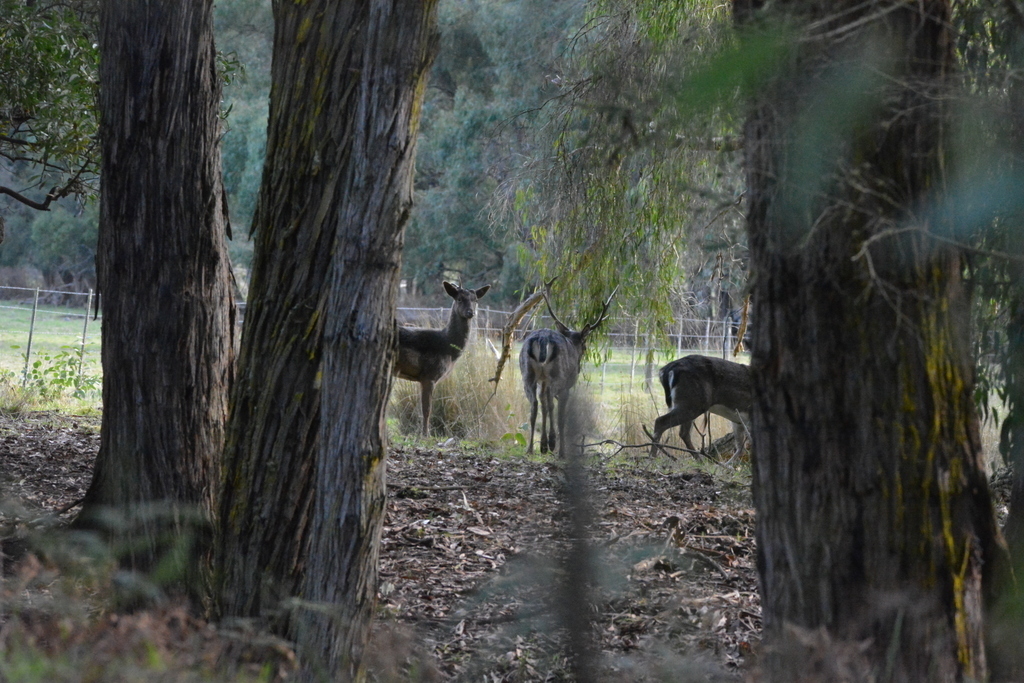
Bucks, does and deer management
The survival figures are particularly interesting for hunters and landholders.

Researchers estimated annual survival rates of 78.1 per cent for adult females and 53.9 per cent for males. With human-caused mortality excluded, estimated annual natural survival was 98.4 per cent for females and 93.1 per cent for males.
These figures highlight the role hunters can play in managing overabundant deer populations. Taking a mature buck can provide a magnificent trophy and plenty of quality venison, but reducing breeding female numbers is particularly important when trying to limit future population growth.
There’s room for both. Hunting for the table, pursuing a trophy and helping manage deer numbers aren’t mutually exclusive. All have their place in responsible recreational hunting.
The findings also complement earlier research at Lake Eildon National Park, which found deer densities of 2.31 per square kilometre in areas where recreational hunting was permitted, compared with 8.61 where it was prohibited. However, hunting alone could not be credited for the difference.
Making better use of hunters
In Western Australia, a government aerial deer cull near Esperance and Harvey prompted calls for skilled volunteer hunters to play a greater role in deer management.
Professional control has its place, particularly where specific targets or eradication objectives require coordinated operations. But recreational hunters are already removing deer through regular hunting, putting meat on the table and working with landholders, often at their own expense.
The latest research provides further evidence of that contribution. Better access and a greater role in deer management would allow recreational hunters to make an even greater contribution.
Share this article

 Website
 Instagram
 Facebook
Related
Articles


Related
Recipes