

WA deer cull sparks hunting push
A wild deer cull in Western Australia has renewed calls for skilled volunteer hunters to be used more often in public-land animal-control programs.
ABC reporting says the Department of Primary Industries and Regional Development carried out an aerial deer cull near Esperance and Harvey in June, removing about 270 deer across both areas. That compares with more than 500 deer taken during last year’s operation.
Authorities say the Esperance work has almost eliminated wild red deer in that area, with no further culling expected there for now. Harvey remains a different case. Rusa deer numbers are still estimated at about 400, and the cull is expected to return in 2027.
The result has put an old argument back on the table: should government rely so heavily on expensive helicopters and professional aerial shooters, or should trained volunteer hunters have a larger role in controlled, on-ground animal management programs?
Why WA is acting now
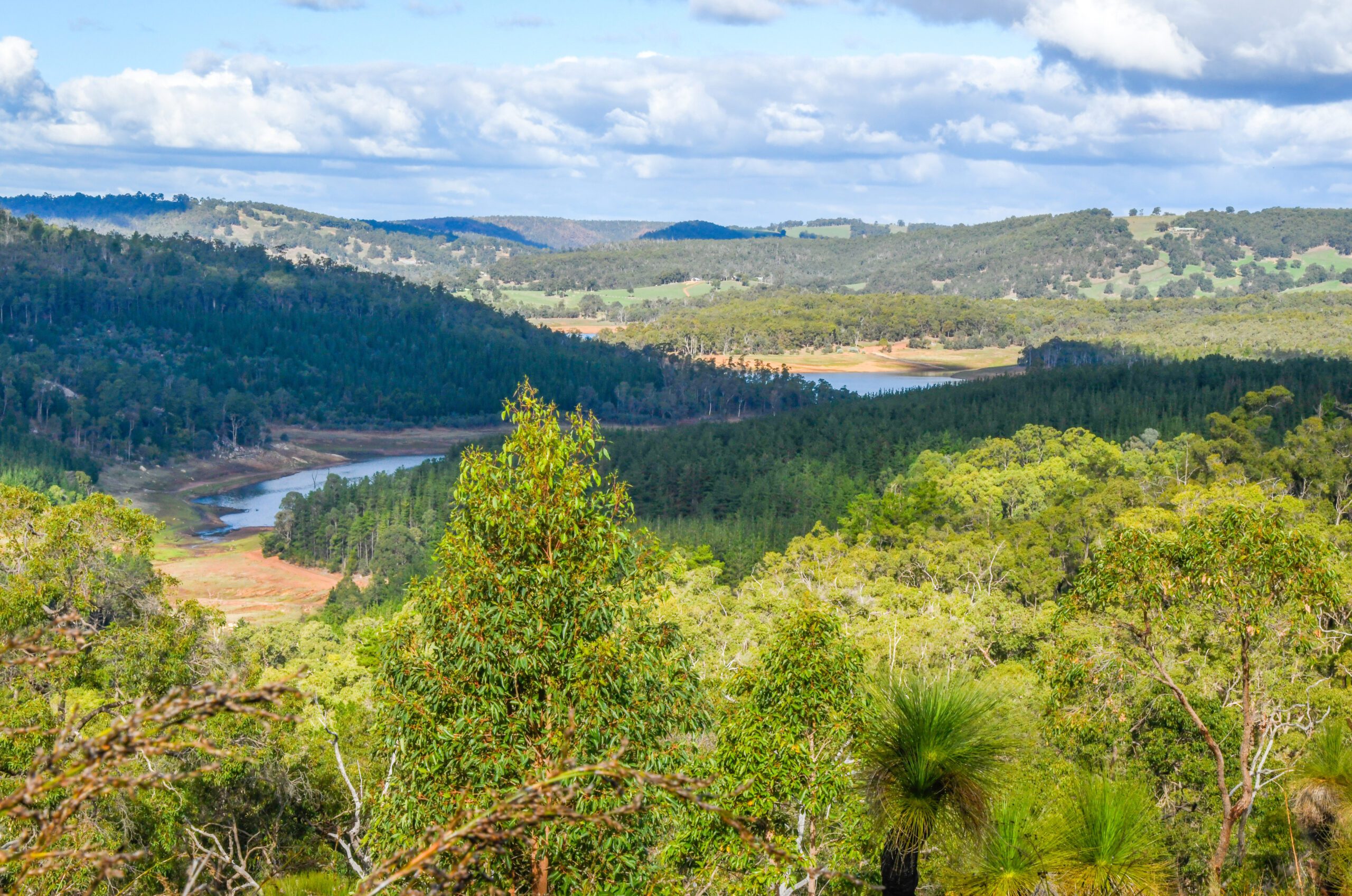
Wild deer are declared pests in WA, a different position to states where deer are considered a valued game species. The aim in WA is to stop relatively small populations from becoming a much larger and more expensive problem.
Three wild deer species are recorded in WA: fallow, red and rusa. Rusa deer are found only in the Harvey region, where eradication remains the objective.
WA still has an opportunity that eastern states generally no longer have. Deer are established, but not yet at the scale seen elsewhere. Once deer spread through forest, farmland, watercourses and public land, control becomes harder, dearer and far more politically tangled.
Why aerial culling is being used
DPIRD argues thermally assisted aerial control is the most suitable tool for WA’s current situation, particularly where deer numbers are low, animals are scattered and access is difficult.
Thermal imaging allows operators to find deer that may otherwise remain hidden under canopy or heavy cover. In thick state forest, broken country and difficult terrain, that can make a major difference.
The department says the method is effective in low-density populations and can meet animal-welfare standards when carried out by accredited operators.
The government’s position is if eradication or near-eradication is the goal, control has to be fast, coordinated and heavy enough to stay ahead of breeding and dispersal.
Local concerns over the cull
The aerial program has not been universally welcomed.
ABC reported concerns from Harvey residents about low-flying helicopters, repeated gunfire and animal welfare. A petition tabled in WA Parliament called for the aerial cull to stop. Some recreational shooting groups have argued that trained ground shooters could remove deer with less disruption to landholders, livestock and nearby residents.
Sporting Shooters Association of Australia WA president Paul Fitzgerald criticised the aerial operation, describing it as the government using “helicopter gunships.”
He told the ABC there was an “insured and proficient cohort” of licensed firearm owners in WA through SSAA Conservation and Wildlife Management groups.
Fitzgerald argued volunteer hunters could assist with the task on the ground, saying “[volunteer hunters] can undertake deer eradication much more effectively with less stress to farming operations and livestock.”

Australia has no shortage of licensed firearm owners who can stalk carefully, shoot accurately, recover animals where possible and work safely under strict conditions. Meat can also be harvested instead of animals being left where they fall.

WA already has a pathway
WA is not completely closed to volunteer hunters assisting with animal control on public land.
The Department of Biodiversity, Conservation and Attractions says recognised hunting groups can be involved in animal control where their involvement is safe, cost-effective and likely to improve biodiversity outcomes.
Those arrangements are not casual access. They are done through formal agreements, land access permits and approved programs.
That is very different from simply opening national parks to general hunting, as seen in some other states. The workable model is managed participation: recognised groups, clear objectives, strict access conditions, reporting, insurance, competency standards and coordination with government control work.
Used properly, that sort of structure can turn willing hunters into a serious animal-control resource rather than a loose collection of individuals asking for access.
Hunting and eradication are different jobs
Hunting can remove animals. It can put skilled eyes on the ground and can help landholders and agencies detect deer, apply pressure and follow up after larger operations.
An eradication program has to remove enough animals, in the right places, at the right time, then prove survivors have not been left to rebuild the population. That often requires aerial surveys, thermal equipment, professional control, camera monitoring, landholder coordination and repeated follow-up.
Ground-based hunters can fit into that system, but scattered effort will not replace a coordinated program.
The strongest case for volunteer hunter involvement is not that helicopters are never needed. It is that trained, insured and organised hunters may be able to add value before, during and after official operations, especially where ground access is safe and local knowledge improves the result.
A chance to get ahead of the problem
The WA debate is bigger than one cull near Harvey or Esperance. It goes to how Australia uses lawful hunters and firearm owners in animal management.
A stronger role for volunteer hunters will depend on professionalism. That means training, records, reporting, discipline, cooperation with land managers and a willingness to work inside formal programs.
It also means accepting that some jobs will still require helicopters, professional operators and thermal equipment.
WA’s immediate aim should be practical: stop wild deer becoming another entrenched animal problem. If aerial control achieves that in some areas, it has a place. If recognised shooting groups can improve outcomes elsewhere, they should be seriously considered.
The poorest result would be a loud argument while deer quietly keep spreading through the timber.
WA still has a chance to act early. The debate should be about results, not just access.
Share this article

 Website
 Instagram
 Facebook
Related
Articles



Weipa hunt draws record field


Related
Recipes