

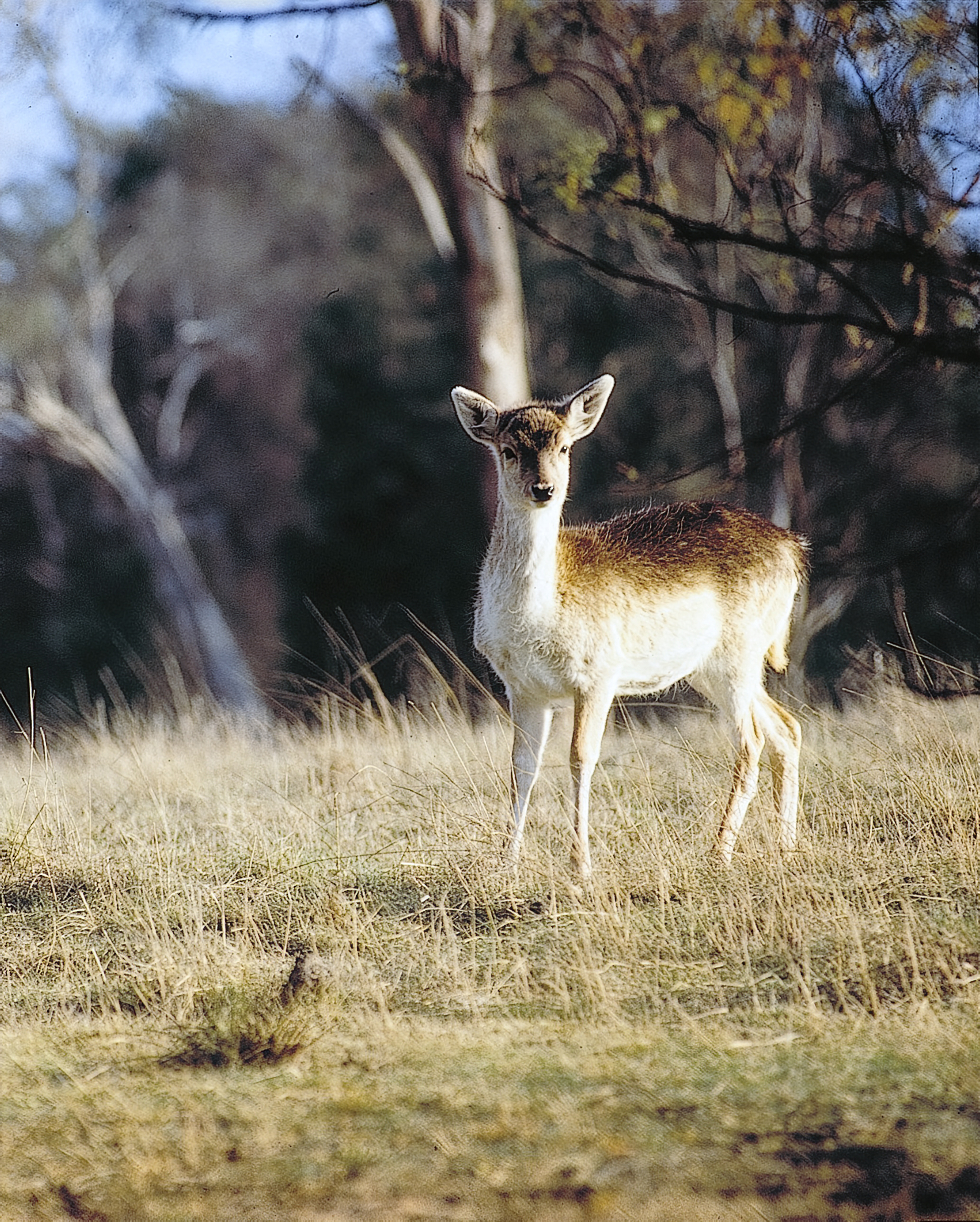
Australian deer impacts: Science versus policy
A report by the University of Technology Sydney systematically reviews the ecological impact of wild deer in Australia, evaluating policy claims and scientific evidence. Amid growing concerns, it examines deer effects on native fauna, vegetation and disease transmission and analysed 27 government policies focused on the animals’ management. Most advocate control or eradication due to environmental degradation, competition with native species, agricultural damage, human safety concerns (vehicle collisions) and biosecurity risks. However, these claims often rely on observational data rather than direct empirical research (experimental research = better data), while some policies also acknowledge deer as a valued hunting species.
Deer are frequently cited as competitors with native wildlife, reducing food availability and altering habitat structure, yet the review found no management plans providing empirical evidence to support this claim. Only five quantitative studies examined deer interactions with native fauna, primarily documenting dietary overlap rather than direct competition. One study found a negative correlation between deer presence and two small mammal species, though also found a similar effect between these mammals and native swamp wallabies. A meta-analysis (data from multiple studies) comparing Australian deer with native and non-native large herbivores found no significant difference in their impact on small mammal populations.
Deer are also blamed for damaging vegetation through browsing, seed dispersal, soil compaction, antler rubbing and trampling, with 19 quantitative studies investigating these effects. Clear evidence shows deer browse on plants (13 studies) and alter vegetation structure (nine studies), reducing understorey cover and increasing bare ground. However, impacts on plant diversity and mortality rates were inconsistent, with some studies finding deer increased or had no effect on plant diversity while others reported a decrease. No evidence supports claims that deer facilitate the spread of invasive plants any more than native herbivores.
A meta-analysis found no significant difference between the impact of Australian deer and those in their native range or African herbivores. One study suggested Australian deer may have a more positive effect on grass diversity than native marsupial herbivores, though further research is needed.

Deer are often labelled a biosecurity risk due to concerns over disease transmission to livestock, wildlife and/or humans, though no policy document cited Australian empirical evidence supporting this claim. Twenty quantitative studies examined deer and disease, yet only two investigated transmission potential. A meta-analysis of disease prevalence rates found cattle and other livestock have higher infection rates for most diseases than deer. The latter did show a higher prevalence of Capillaria spp. (threadworm) than native Australian wildlife, though no evidence confirmed deer transmitting diseases to livestock or humans. Findings suggest livestock agriculture, not deer, should remain the primary focus of biosecurity efforts.
The report highlights the fact that many claims in Australian deer management policies lack strong empirical support, often relying on anecdotal observations or secondary sources. It emphasises an animal’s nativeness doesn’t necessarily determine its ecological impact, as deer effects are comparable to those of other large herbivores worldwide.
While further research may uncover additional ecological consequences, current evidence doesn’t strongly support labelling deer as the exceptionally damaging invasive species which some promote. The report urges policymakers to be transparent about the values and assumptions driving deer management decisions, rather than relying on unsupported ecological claims to justify control measures. The report, titled A systematic review and meta-analysis of the ecological effects of Australian deer, can be viewed online at the University of Technology Sydney website.
Share this article

 Website
 Facebook
Related
Articles



Weipa hunt draws record field


Related
Recipes