

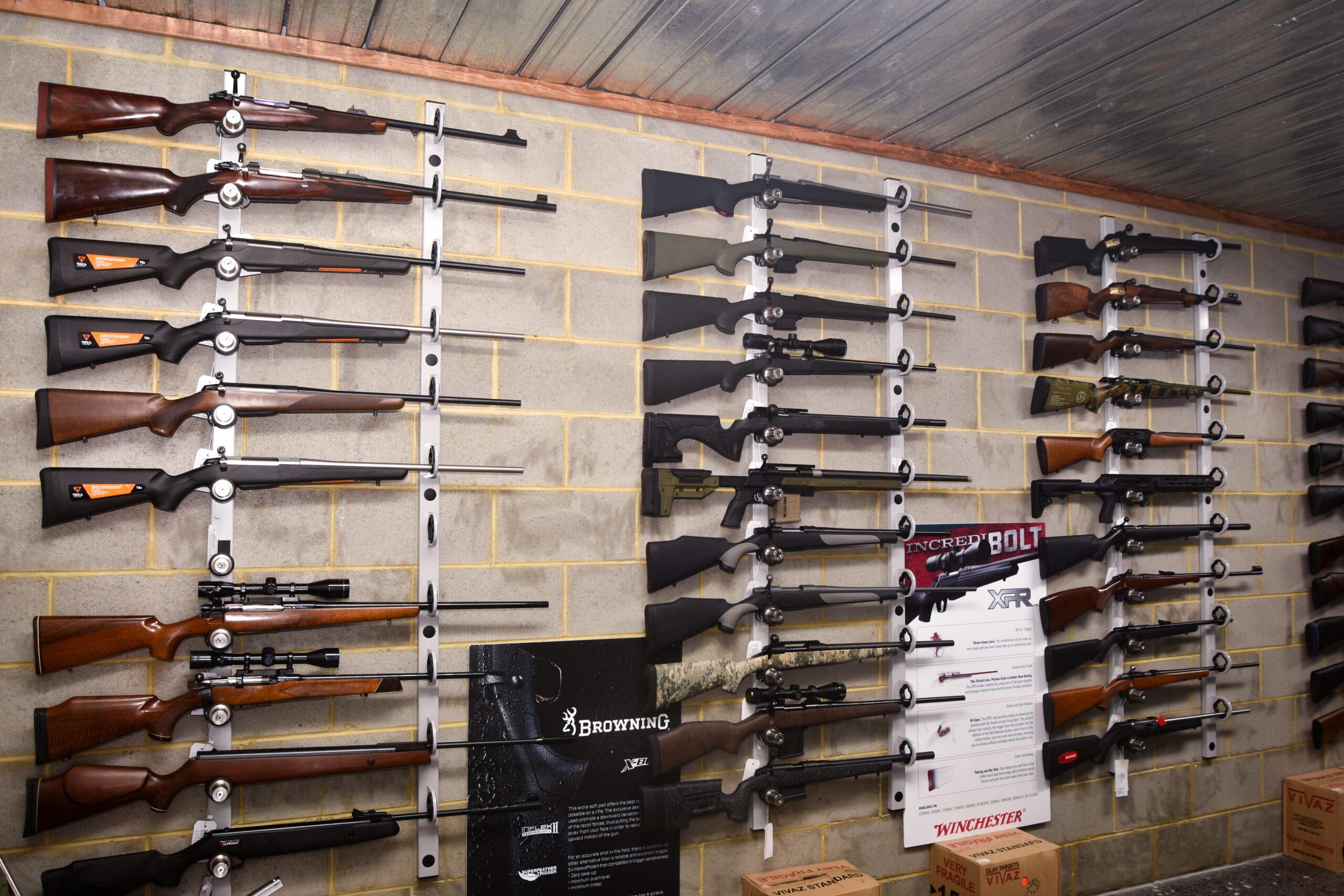
Buyback misses deadline but hits gunshops
The national gun buyback has missed its July deadline, but New South Wales firearm retailers are already feeling the impact.
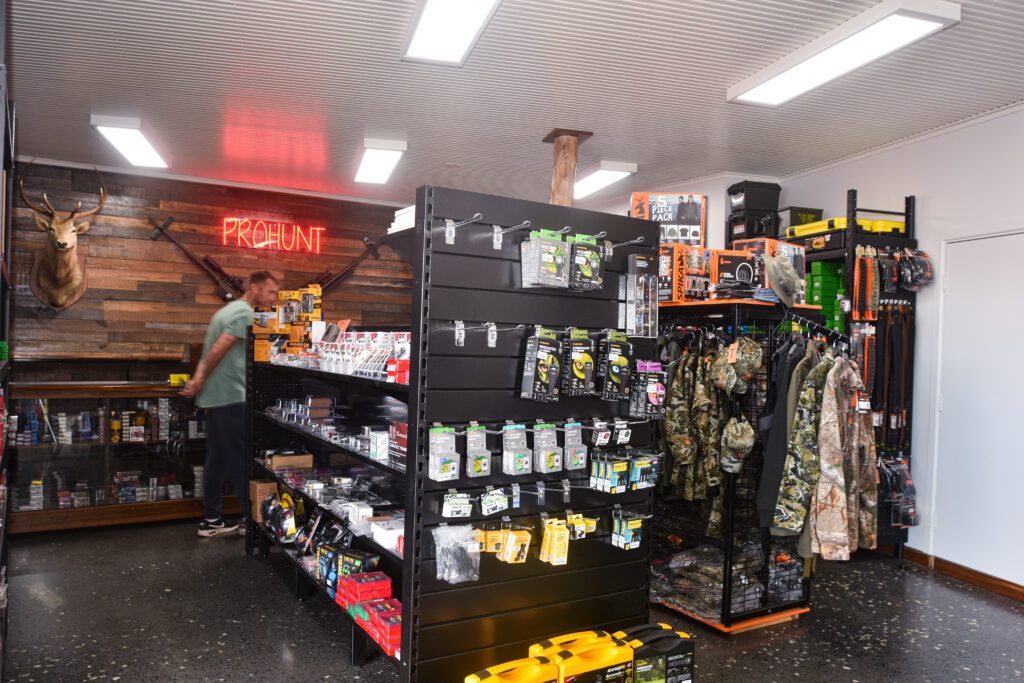
A Daily Telegraph report says gunshops in NSW are under serious pressure as the proposed buyback stalls, with regional dealers facing sharp sales drops, stranded stock and no clear rollout schedule.
That matters for more than shop owners. Firearm retailers are part of the lawful shooting network that supports hunters, farmers, pest controllers, target shooters, clubs and regional communities. When the retail side freezes, everyone downstream feels it.
The problem is uncertainty. Buyers do not know what they will be allowed to own. Dealers do not know what stock may become unsellable. Licence holders do not know what will be bought back, how it will be valued or when any payments will be made.
For an industry built around strict licensing, permits, storage checks and compliance, that kind of fog is not a minor inconvenience – it is a business risk with a trigger lock on it.
The national deadline has passed
When the Albanese Government announced the National Gun Buyback Scheme in December 2025, it proposed that states and territories agree to new gun law reforms by March 2026 and legislate them by July 1, 2026.
That July deadline has now passed.
Reports say only NSW and the Australian Capital Territory remain fully committed to the national buyback, while other jurisdictions have either pushed back, rejected parts of the plan or moved in different directions.
That is important because firearms law in Australia is mostly handled by states and territories. A national buyback needs state and territory cooperation to collect, process and pay for surrendered firearms.
Without that cooperation, the word ‘national’ starts to look very thin.
NSW is moving, but detail is missing
NSW has already passed major firearms law changes following the Bondi terror attack in December 2025. Those reforms include tighter licensing arrangements, limits on the number of firearms most licence holders can own and changes to permits to acquire.
From July 1, 2026, NSW firearm licences can no longer be issued for five years. A standard licence can now only be issued for a maximum of two years. Permit to Acquire applications also face new requirements, including safe storage checks and additional eligibility checks.
The NSW Government says it is investing $42.8 million over 10 years into the NSW Firearms Registry, including extra staff and system upgrades.
But that does not answer the questions sitting on gunshop counters across the state.
SSAA Inc CEO Tom Kenyon said: “It’s easy to put out a press release saying what you are going to do, but the hard part, the implementation, has been a disaster. The government has proven itself to be incompetent at implementation. It rushed a bill without consultation and now that’s showing up on the ground.”
What firearms will be bought back? What values will be used? What happens to accessories, ammunition, magazines, optics and parts? What support will be offered to dealers left holding stock they cannot sell? What about buyers who paid deposits before the rules changed?
Those questions have been hanging around long enough to grow cobwebs.
Why retailers are hurting now
Firearm retail is not like selling camping chairs or fishing lures.
A dealer cannot simply discount restricted stock and move it out the door overnight. Firearm sales depend on licences, permits, registration, safe storage and police processing. Customers also need confidence that the firearm they buy today will still be lawful and useful tomorrow.
When that confidence disappears, sales slow or stop.

ABC reporting in May found NSW gunshops were already seeing heavy sales falls, with one Dubbo dealer reporting a 90 per cent drop in business and another Sydney retailer saying sales were down about 70 per cent. Industry figures cited by SIFA put statewide sales drops at 60-80 per cent.
The new Daily Telegraph reporting suggests that pressure has continued, with some regional dealers reportedly facing losses of hundreds of thousands of dollars.
This is the awkward part of the policy debate. Even before a buyback begins, uncertainty can act like a shadow buyback. People stop buying. Customers leave firearms uncollected. Retailers sit on stock. Staff hours shrink. Regional businesses start making survival decisions.
Hunters and farmers are caught in the middle
The debate is often framed as government versus gun owners, but the practical effect is broader.
A farmer waiting on a firearm or parts for pest control may now face delays or uncertainty. A hunter planning a season may hold off on a purchase because the rules are unclear. A new target shooter may be stuck between licence delays and PTA changes. A club may see members pause spending until they know what the final rules mean.
That does not mean regulation should never change. Firearms law is serious and public safety matters.
But lawful users deserve clear rules. So do the businesses that are required to operate inside those rules.
If government wants to change the market, it needs to explain how affected businesses will be treated. That includes compensation, unsellable stock, refunds, deposits, accessories and the timing of any surrender process.
The cost question is still alive
The cost of the buyback remains one of the largest unanswered questions.
Earlier modelling commissioned by Shooters Union Australia and the Shooting Industry Foundation of Australia estimated firearm compensation in NSW alone could exceed $416 million in the first year if 20 per cent of registered firearms were surrendered. Broader costs could be much higher once administration and economic impacts are included.
That modelling is not a government costing. It was commissioned by industry-aligned groups and should be treated as an estimate, not a final bill.
But the broader point remains. If governments are asking licensed owners and businesses to surrender lawful property, the compensation model needs to be transparent and credible.
What should happen next?
The first priority is clarity.
NSW firearm owners and dealers need a plain-English buyback timetable. They need to know which firearms are affected, how values will be calculated and whether related equipment is included.
Retailers need specific advice on stock already ordered, stock in store, pending transfers, deposits, lay-bys and unsellable items. They also need to know whether business support will be offered.
Hunters, farmers and sporting shooters need rules that recognise lawful use and real-world need, not just headline numbers.
The national picture also needs honesty. If several states and territories are not participating, governments should say what that means for NSW, the ACT and any remaining participants.
A stalled buyback still has consequences. NSW gunshops are showing that now.
For lawful firearm owners, the message is simple: keep records, follow official updates and do not rely on rumour. For government, the message should be just as clear: uncertainty is not neutral. It is already costing people money.
A buyback this big cannot be managed with half a map. The industry needs the rest of the page.
Share this article

 Website
 Instagram
 Facebook





Related
Recipes
Sorry, no related items found.