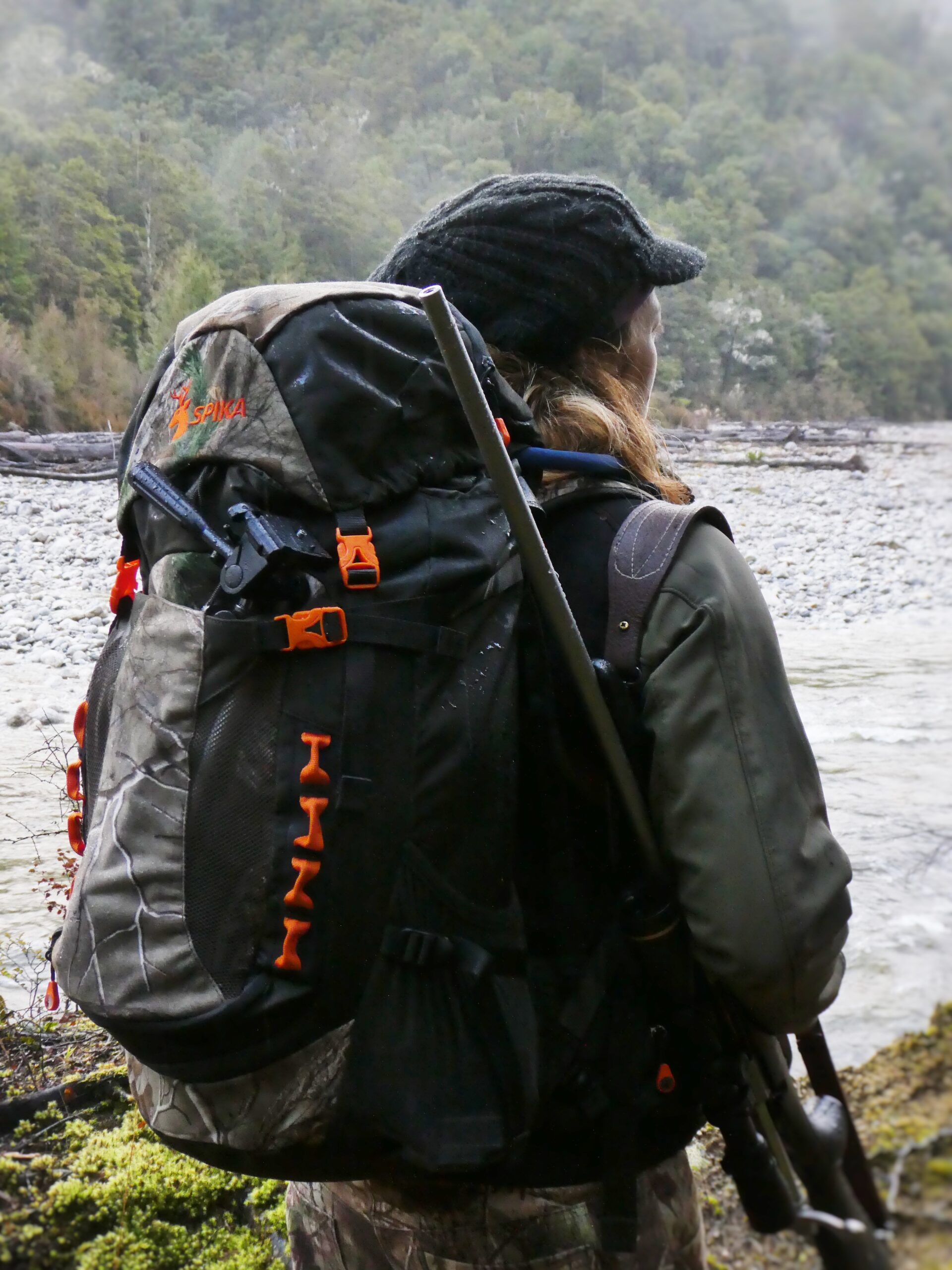
How to avoid disaster on a hunting trip
Hunting involves activities that are exciting but also carry an increased risk of injury and illness. Contributing factors include poor judgement, navigational errors, environmental conditions, unstable terrain, proximity to wounded animals and weapon faults or misuse. The good news is, preparation and preventative measures can stop a mishap from ruining your trip, or help you cope if one does occur. The following points may seem obvious but are overlooked by many hunters in their trip preparation.
Do your research
Check the Bureau of Meteorology (bom.gov.au) for the destination’s temperature minimum and maximums, fire danger and severe weather warnings. Pack appropriately for forecast and un-forecast conditions.
If you are exploring a new property, have the landowner point out the boundaries and lay of the land. Don’t be shy to ask for a mud map.
If camping or hunting with other people, disclose any injuries or medical problems and share emergency contacts with each other.
Dress to kill (not to be killed!)
Even in the cooler months of the deer rut, snakes can be active as they calorie load before winter hibernation. Long pants and gaiters are a must in Australia.
While hunting, the body goes through numerous temperature spikes as you drive, stalk, climb hills, enter cool gullies, sit and spot, or carry out your kill. The best way to avoid hypothermia is by layering. Wear numerous thinner layers rather than one or two thick bulky layers.
Get geared up
Do you have vehicle recovery supplies? Enough fuel, warm clothing, spare batteries, lighters or tools? Make a ‘packing checklist’ to use for every trip. Take enough food and water to survive an extra night in the bush. A parcel of non-perishable food wrapped in several layers of electrical tape can be kept in your backpack or vehicle for emergencies. The vigorous layers of tape should deter you from prematurely breaking into your emergency stash if you get peckish.
Prepare yourself physically
Condition yourself for the intended location, and the style of hunting you will be doing. A Victorian High Country backpack hunt presents different physical requirements to a summer pig hunting trip in Western Queensland. Allow adequate time for acclimatisation if needed.

Stay connected
There is a certain allure in going ‘off-the-radar’. But always have means of making a call-out in emergencies. The following devices are useful communication backups:
- Satellite phone
- UHF radio
- Emergency Position Indicating Radio Beacon (EPIRB)
- Personal Locator Beacon (PLB)
- ‘SPOT’ and Garmin inReach.
Each device has its pros and cons. A standard PLB is purely a distress beacon and is very affordable. Others, like the SPOT & inReach, are 2-way communicators, requiring a yearly subscription fee.

Tell everyone your hunting spots
Just kidding! But always let somebody back home know where you are going to be, your expected time of return and how to raise the alarm if you don’t come home. This basic and reliable communication method has been saving lives since pre-1973 and continues to do so whenever mobile reception eludes us.
Keep your bearings
Trophy deer have been known to lead hunters astray over vast distances and through multiple property boundaries. As you stalk, take note of major landmarks and the position of the sun. Do not rely solely on your GPS navigator, as technology can be unreliable. Move slowly and be aware of hazards. This might stop you getting ‘navigationally challenged’ and you might also spot more game.
‘Kit up’ on supplies
A comprehensive first-aid kit contains supplies to treat anything from splinters to major bleeds. The downside is that a more stocked kit takes up more room in your pack. If backpack space comes at a premium, you might consider stocking your hunting pack with a smaller ‘essentials’ kit containing compression bandages for snakebites and major bleeds, with a more comprehensive kit in your vehicle or at camp. Use a drybag to protect it from moisture or blood from your meat pack-out.

Don’t get stuck up ‘that’ creek!
Sometimes, despite your best efforts, lady luck isn’t on your side. Having first aid knowledge will help you treat conditions such as snakebite, hypothermia, lacerations, embedded objects and infection. These are the types of injuries hunters could face, and they’ll be addressed in future issues. But for now, avoid getting stuck up the creek without a paddle by not losing your paddles in the first place! After all, preventing injury is easier than managing it.
And if you think it won’t happen to you, it probably won’t… until it does!
Got a question for Christie? Reach out at [email protected]
Share this article
Related
Articles


What to carry hunting: Essential gear for safety and success

Related
Recipes
Sorry, no related items found.