

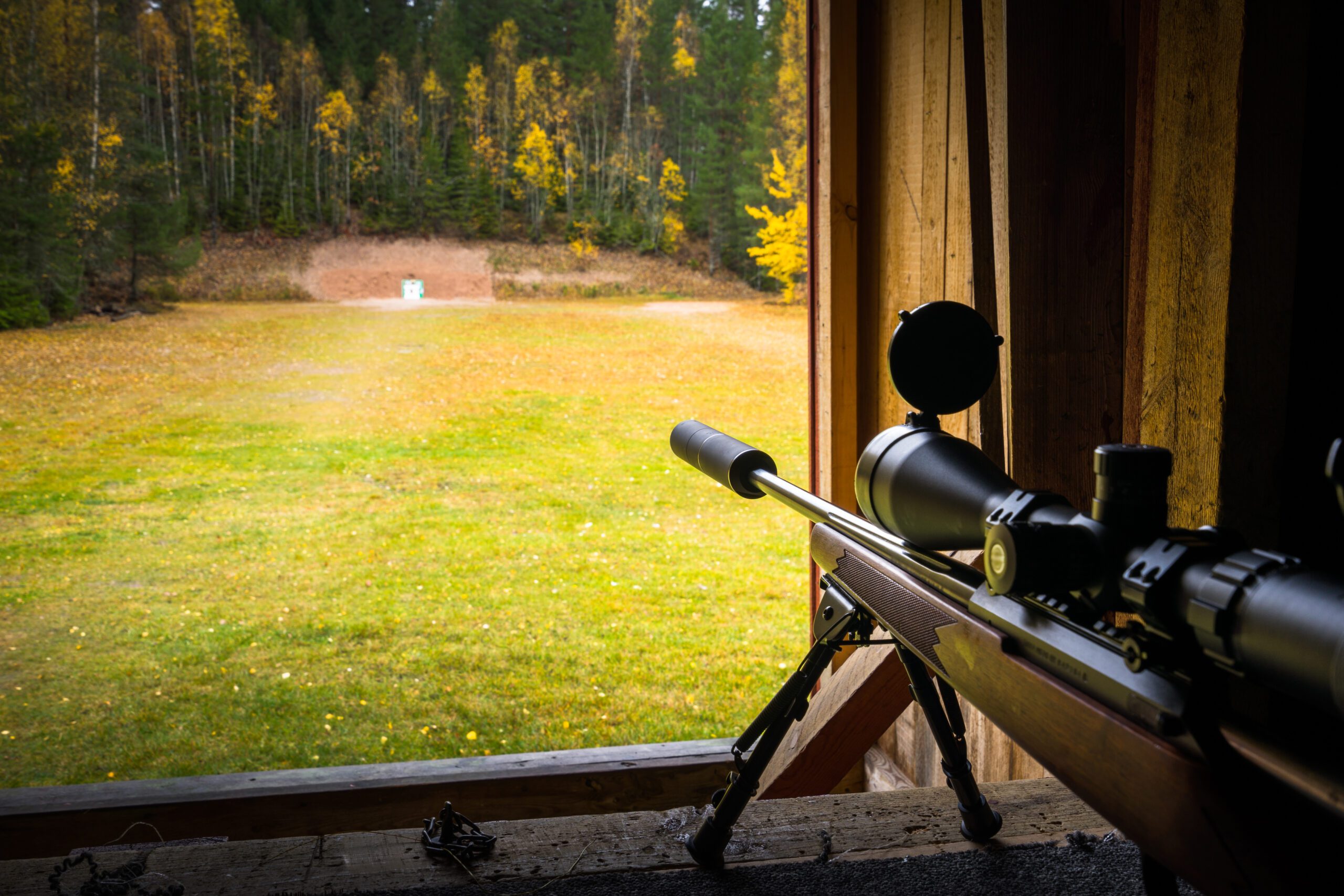
Sound argument: UK eases sound moderator laws
The United Kingdom has changed its laws around sound moderators, giving Australian hunters a useful comparison point in the long-running debate over how these devices should be treated.
From June 29, 2026, sound moderators and flash suppressors were removed from the definition of a firearm under section 57 of the UK Firearms Act 1968, following section 44 of the Crime and Policing Act 2026 across England, Wales and Scotland.
The British Association for Shooting and Conservation welcomed the change, saying it removes unnecessary red tape surrounding devices many licensed shooters regard as standard safety equipment.
The reform does not mean anyone in the UK can simply buy or possess a moderator without authority. A person must still hold a firearm or shotgun certificate, or be covered by an exemption. What has changed is the requirement for certificate holders to obtain a specific variation and have each moderator individually recorded on their certificate.
For experienced firearm owners, that distinction matters. The UK has not deregulated firearms. It has recognised that a moderator is not a firearm in its own right.
What changed for UK shooters?
Before the reform, a UK firearm certificate holder who wanted a moderator for a section 1 rifle needed it added to their certificate. That meant extra paperwork, a variation fee and another task for police firearms licensing teams.
That requirement has now been removed.
For hunters, professional deer managers, pest controllers and target shooters, the practical result is less waiting and administration surrounding an accessory widely used for hearing protection and noise reduction.
BASC has said sound moderators accounted for 33 per cent of all firearms recorded on the UK’s National Firearms Licensing Management System. Removing those entries from the system should reduce the workload for firearms licensing departments, dealers and certificate holders.
For Australian shooters and hunters accustomed to heavy regulations on moderators, that is a significant policy shift.
Why hunters use moderators
Hunters do not use moderators because they expect a rifle to become silent. Anyone who has fired a moderated centrefire rifle knows there is still considerable noise.
There is muzzle report, mechanical noise, projectile noise, the supersonic crack when supersonic ammunition is used and the sound of impact downrange. A moderator reduces the blast at the muzzle by slowing and cooling the expanding propellant gases.
That reduction matters.
Repeated exposure to muzzle blast can permanently damage hearing. On the range, most shooters use plugs, muffs or electronic hearing protection. In the field, conditions are not always so straightforward.
A hunter may need to hear dogs, stock, another hunter, a guide, wind, game movement or a landholder’s instructions. Electronic hearing protection helps, but it may not be worn when a quick opportunity presents itself.
A moderator reduces noise at the source. It does not replace proper hearing protection, but it can lessen the punishment delivered to the shooter, nearby hunters, dogs and anyone standing close to the muzzle.
For anyone who has touched off a centrefire rifle beside a vehicle, fence line, shed, gully wall or timbered creek, that benefit is not theoretical.
Practical field benefits
Moderators also change how a rifle handles under recoil.
By adding weight at the muzzle and moderating the release of propellant gases, they can make a rifle more manageable, particularly a lightweight hunting rifle. Reduced recoil and muzzle rise can help a shooter see the impact, make a better follow-up shot and remain on the animal if another shot is required.
That is more than convenience. It can be an animal welfare benefit.
A cleaner follow-up, faster recovery and reduced flinch can all help hunters shoot more effectively. During pest-control work involving pigs, deer, foxes, goats or rabbits, reduced disturbance may also be useful, particularly around livestock or near rural homes.

Moderators do come with trade-offs. They add length and weight and can affect a rifle’s balance. Some rifles may show a shift in point of impact when a moderator is fitted or removed. Heat mirage can become an issue during repeated firing, and moderators require appropriate care and maintenance.

Australia remains much stricter
Australia treats moderators very differently. Rules vary between states and territories, but sound moderators, often called silencers in legislation, are generally prohibited or tightly controlled items.
In New South Wales, for example, a ‘silencer’ is classified as a prohibited weapon. When attached to a firearm, the firearm is also classified as a prohibited firearm unless the holder has the required authorities.
That is a very different setting to the UK reform.
Australian hunters should not assume the UK change affects local law. It does not. Importing, possessing, manufacturing, acquiring or using a moderator without the required authority can lead to serious charges.
The important point in this is that another major shooting jurisdiction has chosen to treat moderators more as controlled safety accessories than as firearms in their own right.
What this means for Australian hunters
The UK reform gives Australian hunters and shooting organisations such as the SSAA a stronger reference point when discussing noise management, hearing protection and pest control.
The sensible argument is not that moderators should be handed out without oversight. It is that experienced, licensed firearm owners can have legitimate reasons to use them.
Those reasons include hearing protection, occupational safety, reduced disturbance to livestock, improved communication in the field, more controlled shooting and practical pest-animal management.
SSAA Inc CEO Tom Kenyon said “it’s time to have a mature debate about moderators in this country and to make changes to our laws to allow moderators to be used.”
For farmers, professional shooters and conservation programs such CWM, the case is especially clear. Many may use firearms repeatedly during pest-control operations where noise exposure, livestock disturbance and public concern can all become issues.
For recreational hunters, the hearing-protection argument is just as real. Many older shooters already live with tinnitus or hearing loss following years of unmoderated rifles and shotguns.
A mature firearms debate
The UK has not removed licensing controls around firearm ownership. It has simply reduced unnecessary paperwork surrounding a device many hunters and shooters consider part of safe, responsible firearm use.
That is the point Australian hunters should take from it.
A sound moderator is not a shortcut around safe shooting. It does not replace secure storage, licensing, landholder permission, backstop awareness or hearing protection. Nor does it turn a rifle into the near-silent firearm portrayed in movies. It reduces muzzle blast and can make shooting safer and more controlled. shooting safer and more controlled.
For hunters and firearm owners with genuine field experience, that is not controversial. It is practical.
Whether Australia ever follows the UK is another matter. Local politics, state legislation and public perception all sit heavily on this issue.
For now, know your state or territory laws, do not possess a moderator without authority and continue protecting your hearing. However, the UK reform shows that a tightly regulated firearms system can still recognise moderators as legitimate safety equipment for licensed shooters.
As Tom Kenyon said, “It’s time for Australian states and territories to recognise reality and make the necessary changes.”
That is a conversation Australian hunters are ready to have.
Share this article

 Website
 Instagram
 Facebook
Related
Articles


Weipa hunt draws record field
Related
Recipes
Sorry, no related items found.