

The knife makers of Taramundi
Knives come in all sizes, shapes and forms. They have been around for an exceptionally long time too, dating all the way back to the Stone Age. It’s therefore no surprise that many regions across the globe have deep-rooted traditions when it comes to manufacturing them. Unfortunately, most local traditions and producers have been swallowed up by large-scale operations or have ceased activities. Because of this, local industries that have persevered are often tucked away in remote areas. The knife industry of Taramundi is no exception.
Taramundi can be found once you drive up the ever-winding mountain roads from the coast, well into the picturesque mountains of Western Asturias in the far north-west of Spain. As you head into the mountains, you can’t but appreciate the scenic terrain. At times, the road hugs a crystal-clear stream, only to open up into wide open views of the mountains in the distance as you turn a corner. There’s plenty of game too if you stay in the area and head out early in the morning or at last light, with deer, wild boar and foxes.
While locals know where to go for good knives, Taramundi is not a place outsiders are likely to accidentally stumble across. Unless you set out to look for it, chances are you pass right by while enjoying the splendid mountain views from your vehicle. Yes, the mountains are that beautiful. Unlike some Spanish cities like Toledo, which are well-known for their knives and swords, Taramundi flies a little more under the radar for its knife industry.
And this is a shame, as the town and surrounding parishes have a rich history when it comes to knives, spanning many generations. To preserve these traditions and promote their products, the ‘Museo de la Cuchillería’ or ‘Knife Museum’ has opened.
While there are signposts from the town centre, I recommend getting there by car. The road up is very narrow, but paved and there’s room for a couple of cars close to the museum. For those keen on some cardio, the hike up offers some pleasant views across the valley but is over a kilometre from the town square and the climb is rather steep.
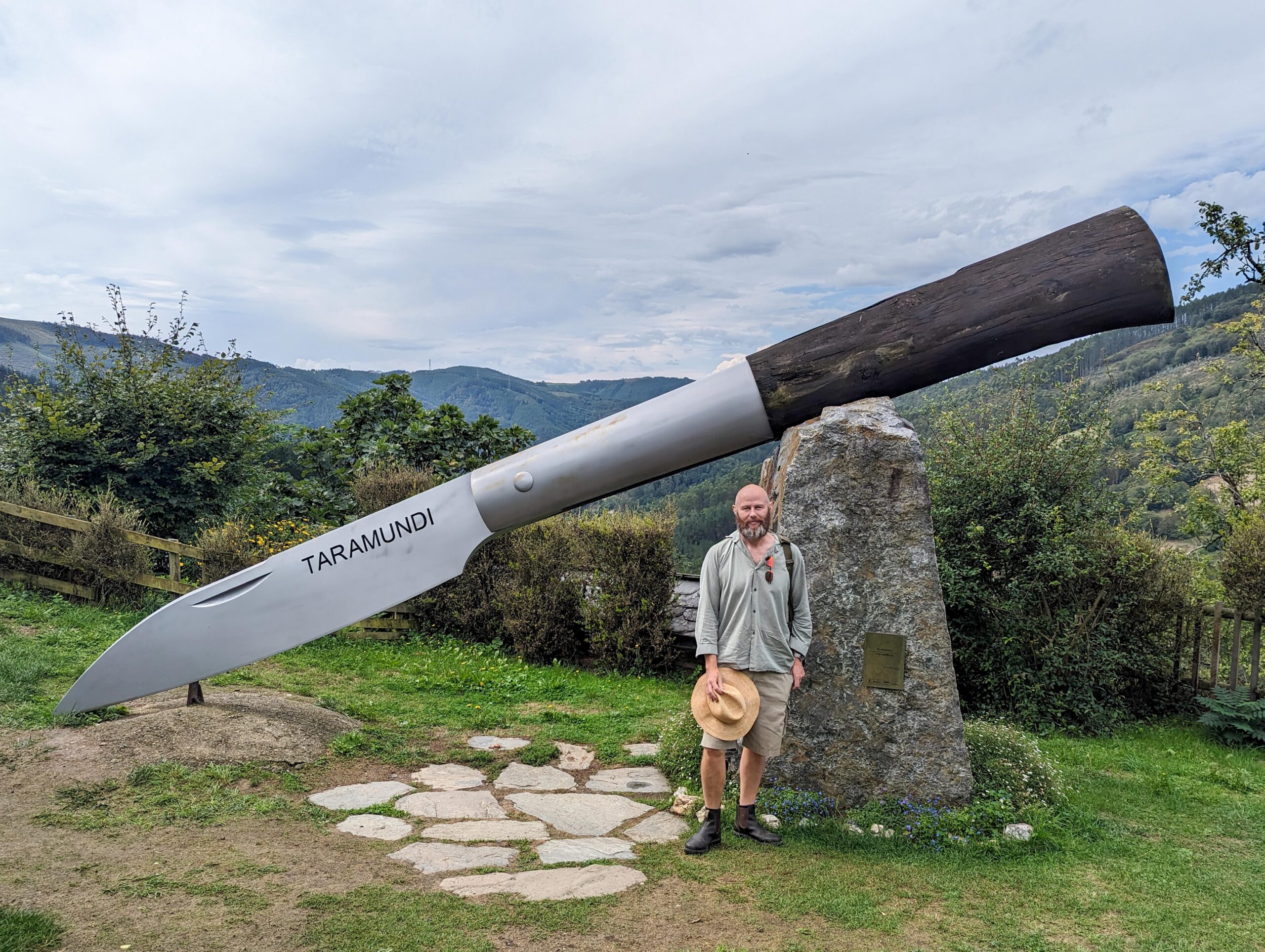
Once you get to the top of the hill where the museum is, one of the first things you will see is an enormous traditional ‘Taramundi folding knife’. It makes for a fun photo opportunity. There are various things worth checking out inside the museum. There is the main museum itself, which is tastefully done in a traditional stone house. It has five main rooms. There is a room dedicated to the history of knife making in Taramundi, two rooms that describe the various steps in the process of making a knife and two rooms that display a wide array of knives from various points in Taramundi’s past. All over the various rooms, you will find lots of historical tools, knives and materials on display. Unfortunately, most of the accompanying descriptions are only in Spanish.
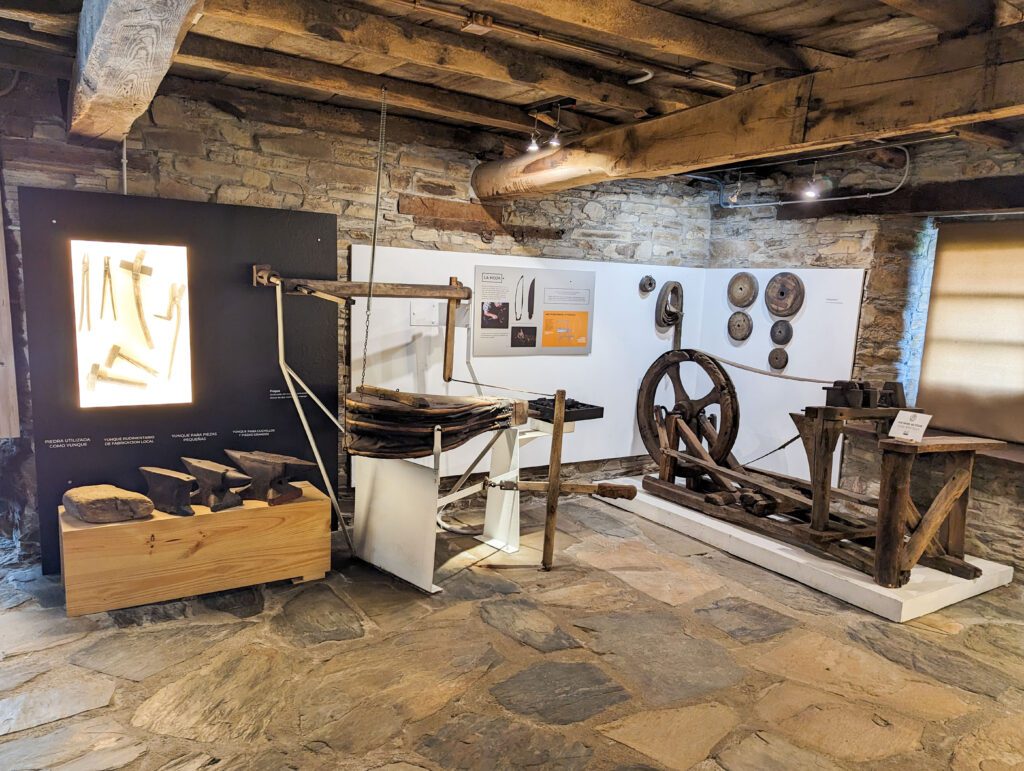
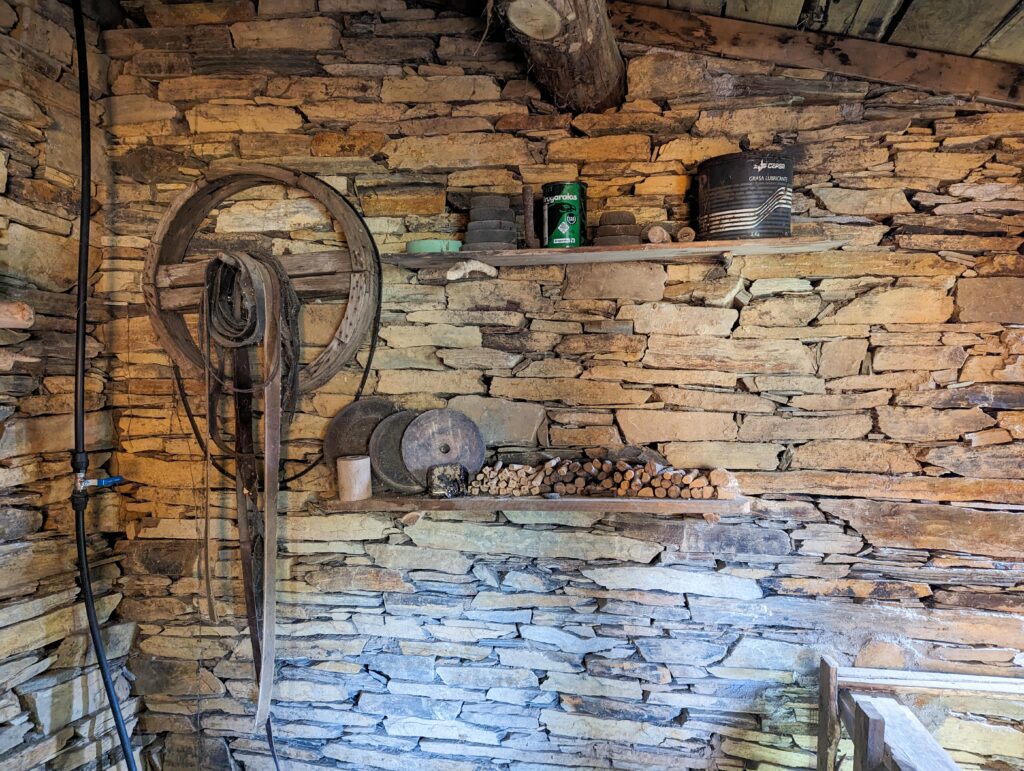
Outside the main museum, there are a number of smaller buildings that are not to be missed. The main attraction is a working replica of a traditional forge and workshop where I watched a live demonstration of the process of making a traditional Taramundi folding knife. It was superb and clearly explained the various steps in the process.
The blacksmith was a very friendly young lady named Natalia. When I spoke to Natalia after the demonstration, she explained she is training to become an accredited bladesmith. She said that the steel traditionally used was from whatever source the blacksmith could find. Most commonly from farm equipment and if available leaf-springs from carts or cars. The wood used for the handles varies, but commonly used are boxwood, oak and yew. These are all native and tough.

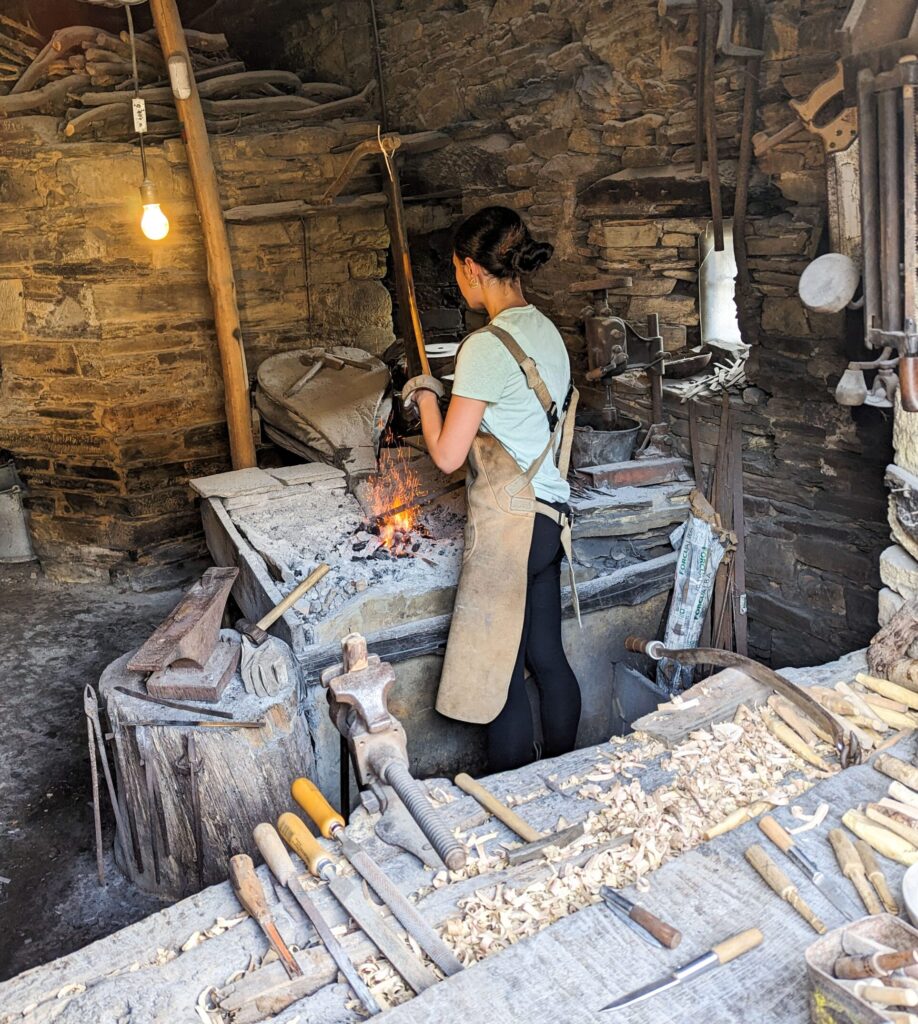
In a nutshell, the process begins by heating a strip of steel in coals while forcing air through to reach temperatures up to 800C. This strip is hammered into a rough shape. After that, the ‘blade to be’ is snapped from the bar of steel and a hole is punched for a pin to later fix the blade to the handle. From there it is test-fitted to a handle that is cut from the wood to be used. Once the blacksmith is happy that the blade fits the handle, the blade is reheated and quenched to temper the otherwise soft steel. This process is temperature sensitive. Not enough heat and the steel stays soft, too much heat and it becomes porous and snaps easily. The change in structure of the steel is also illustrated in the museum. Once hardened, the blade was historically ground to its final shape and sharpened on a stone. To keep everything together, a strip of metal is folded around the side of the handle where the blade is attached. This strip is hammered to shape around the handle and cut. As a final step to the process, the finished blade is fitted once more and if all parts fit well, a pin is driven through the handle, metal keeper and blade to keep everything together.
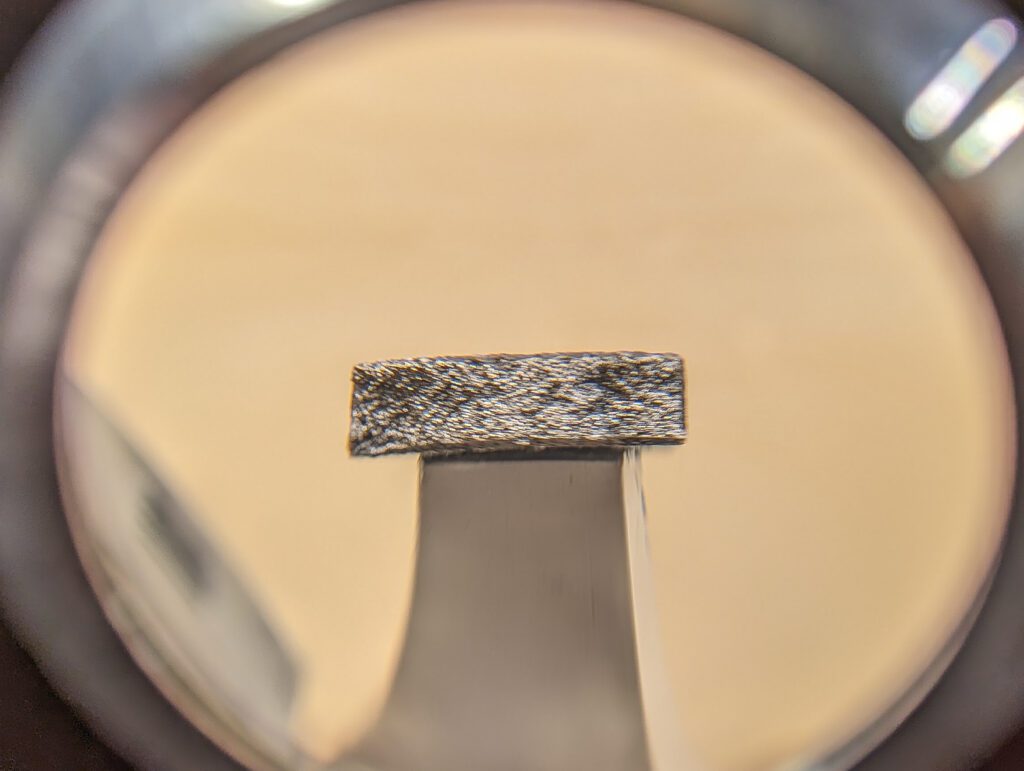
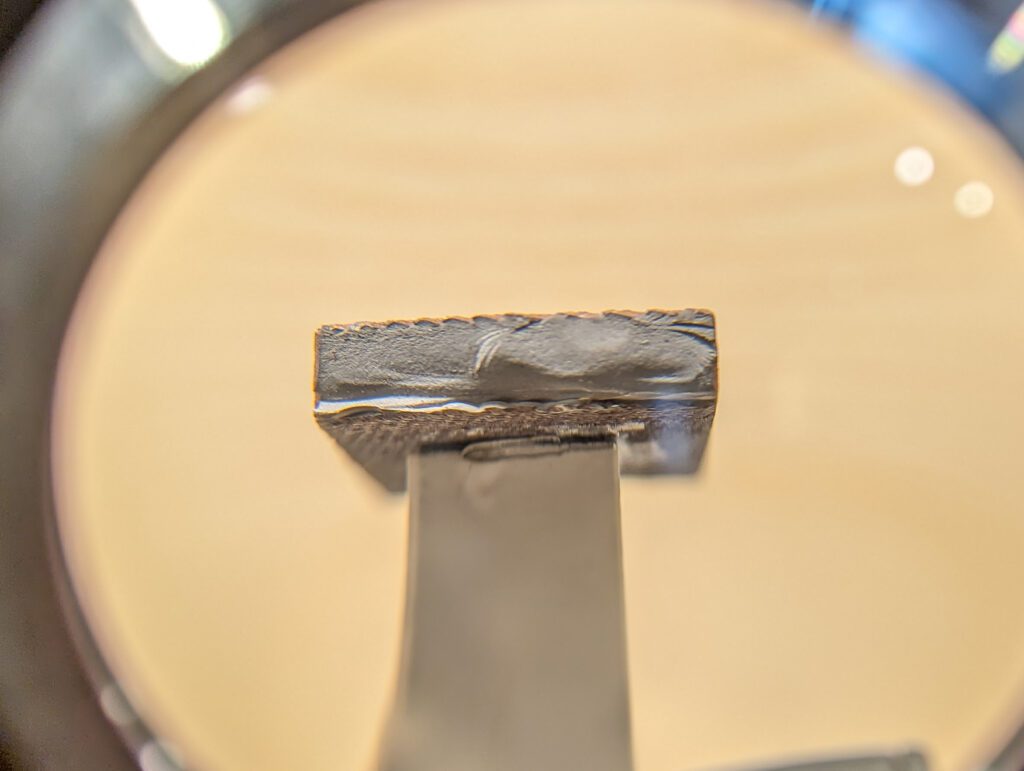
Natalia clearly explained all the steps and made the process look rather simple. However, as things go, nothing is as easy as it seems and it takes years of training and practice to be able to make a folding knife that meets such high standards.
While Taramundi is mainly known for folding knives, there are a number of blacksmiths that produce fixed blades. I have long owned a skinning knife with a stag handle that I bought nearly a decade ago and to date, it continues to serve me well.
While I did not buy a knife on this occasion, I noticed that prices remain reasonable with fixed blade hunting knives going around the €55 ($AU90) mark without a sheath and around €75 ($AU123) with a leather sheath included. Folders start around €15 ($AU25), depending on the materials used.
It was nice to see that the knives produced in Taramundi seem to also be evolving. Besides seeing a lot more variation in the wood used for the handles, they also had various fixed blades with mikarta grips for sale. When I asked what steel was used in the fixed blades, I was told most of them were in Sandvik 14C28N. While not a premium steel, I really like it in my hunting knives as it offers a good balance of price to performance. It’s easy to sharpen and keeps an edge well and it offers good corrosion resistance. I wish I had grabbed a compact fixed blade with a micarta handle. Alas, maybe next time, but at least now I know I need one.
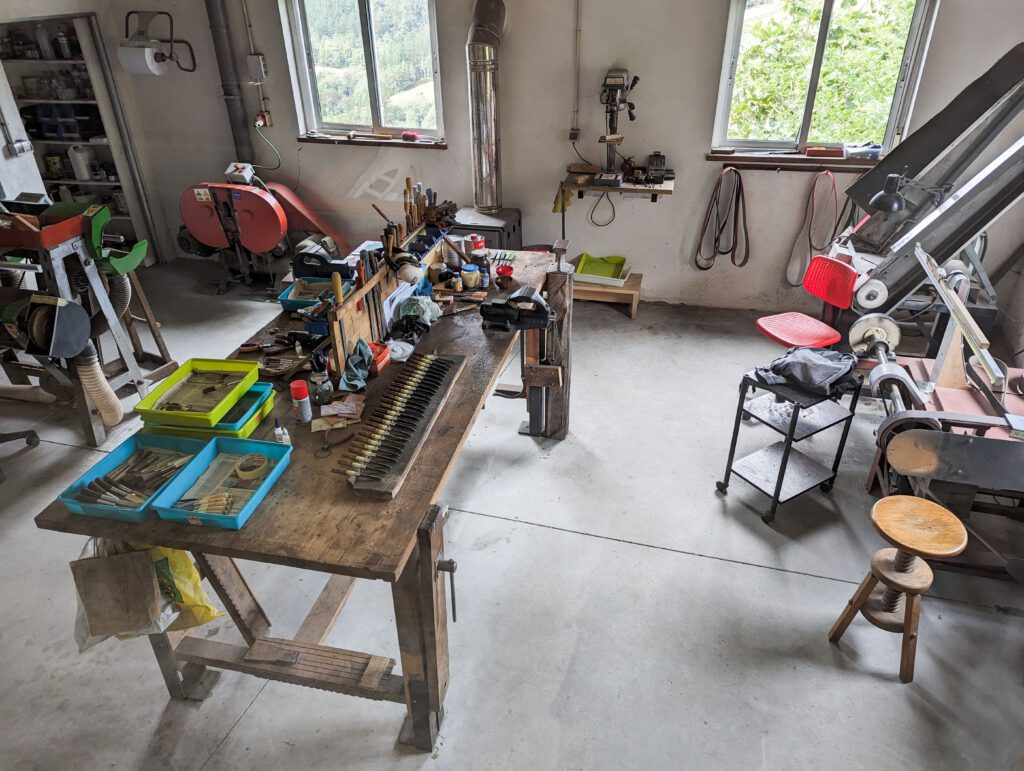
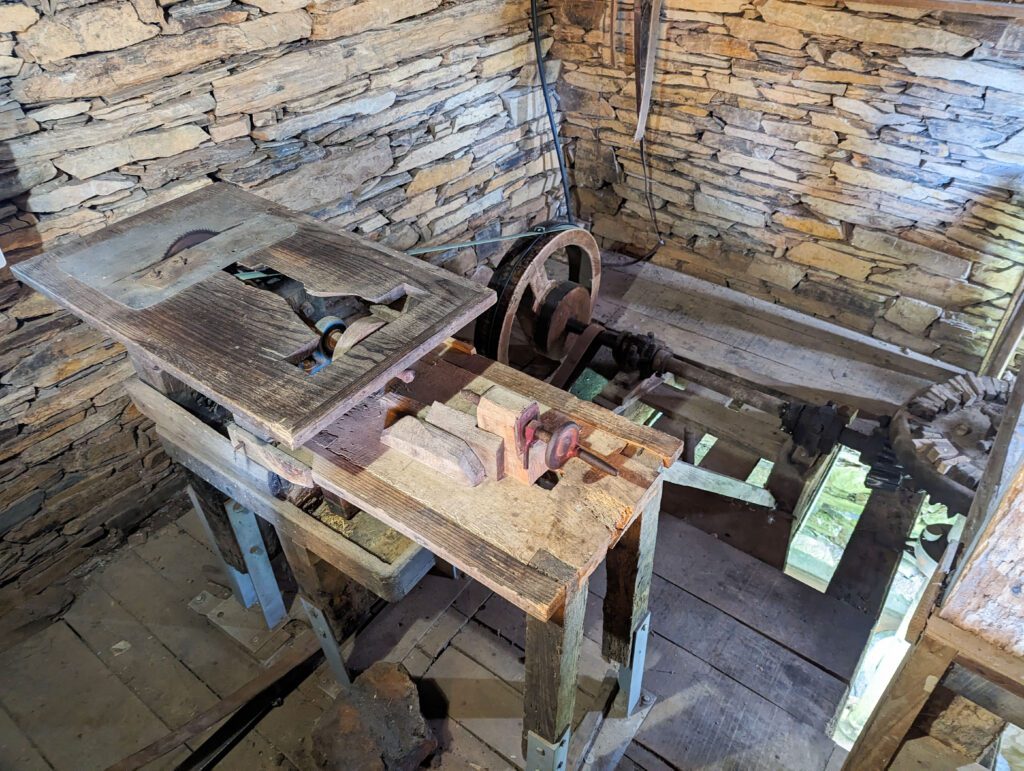
Overall, I would recommend a detour to see the Taramundi Knife Museum if you are ever in the area. It is a tastefully done place that offers a wealth of history. Unlike some exhibitions, there is no clash between the modern and the traditional. Yes, serial production has been modernised, there is no secret or surprise there, you can even see the workplace if you want to. However, the traditional designs and processes are deeply rooted and walking around the place, it is easy to imagine yourself in another era.
Visit (in Spanish) cqtaramundi.com/museo.
Share this article
Related
Articles



Related
Recipes
Sorry, no related items found.