
The mistake hunters make with sunglasses
Hunters spend a lot of time on the range and in the bush under the direct sun. While many wear sunglasses to protect their eyes, others think they are immune from eye damage. Back in the mid-1970s I discovered that wearing the then ‘new-fangled’ polarized sunglasses made it easy to spot fish in shallow water and about snags. I also found they helped my eyes when driving long distances on the open road. I have worn sunnies ever since when outdoors.
On that first occasion, I was fishing with an old mate. I had imported a set of Action polarized sunglasses from the US after reading glowing reports on how one could see fish in the water and more. At the time they weren’t available here. We were on the Gregory River in Gulf Country, and I was catching more sooty grunters hiding in the snags than him – a lot more. Soon ‘old mate’ got a bit agitated. I felt sorry for him after a while and began to point out where to cast his lure. He did so and started catching fish before his brain clicked into gear. “What the hell, are you wearing a pair of magic sunglasses?” he exclaimed in frustration as I hooked up to yet another sooty. “I am actually, here, try them on,” I replied handing him the glasses. I had trouble getting them back. The outcome was that I ordered him a pair.
But knowing what I do now about looking after my eyes, I should have been wearing sunnies a long time before that, especially when I worked on cattle and sheep stations and later drove mine ore hauling trucks.
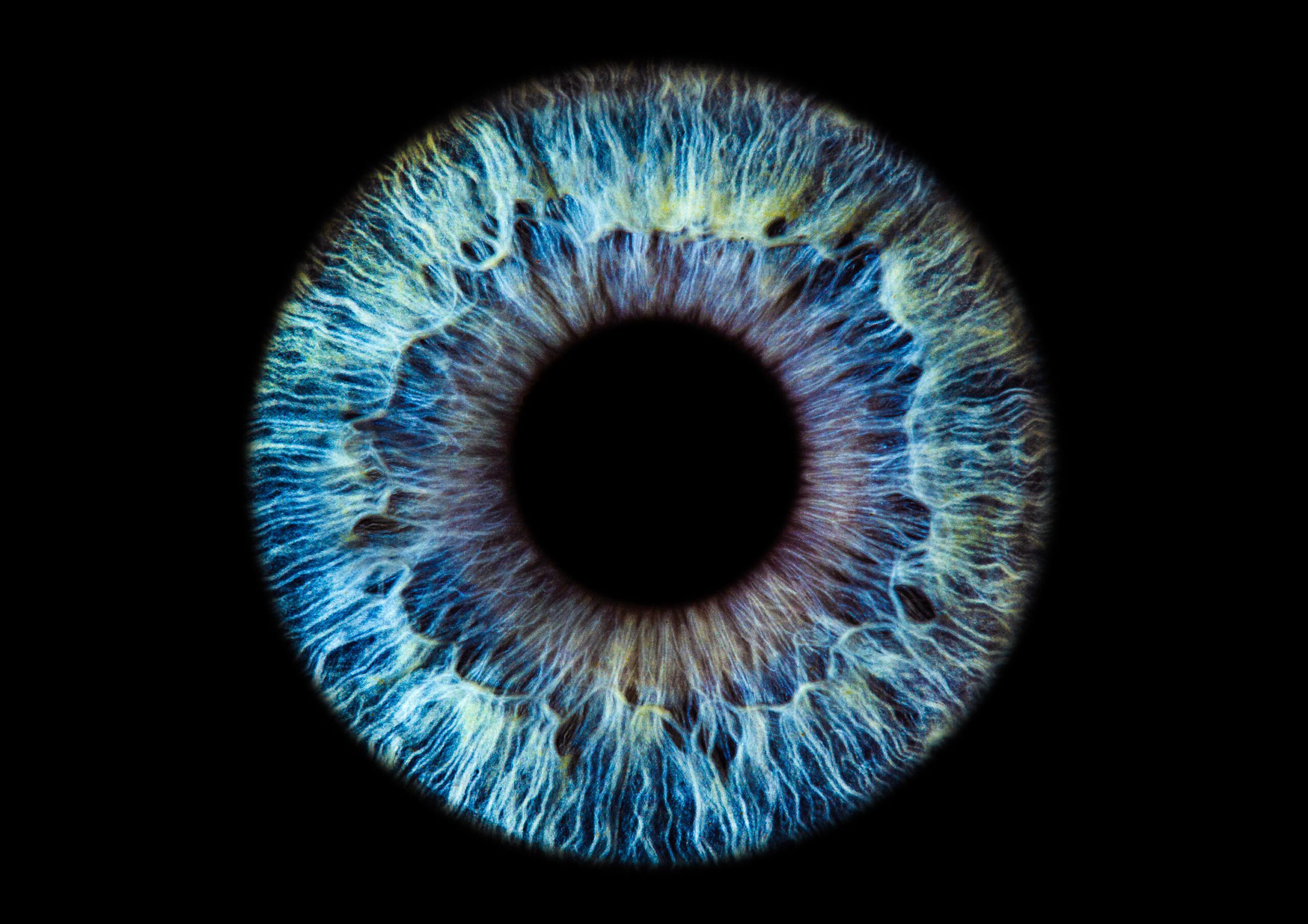
We are all aware that being in the sun burns exposed skin, but it burns eyes too. Long-term exposure to ultraviolet radiation (UVR) harms the eyes by drying them, causing cataracts and even cancers. Cataracts cloud vision and cause blindness in the long-term. The lens of the eye is transparent but when a cloudy area develops it’s called a cataract. It reduces the amount of light passing through the lens and scatters it, while images are out of focus causing failed vision.
I’ve had cataract surgery done on both eyes, which involves removing the cloudy damaged natural lenses and replacing them with permanently implanted artificial intraocular lenses. The operations were a success, so I have my eyesight back…

Sunny days
My optometrist told me that if I had worn sunglasses at an early age, my eyes would be in a much better shape. It’s an affliction that many bush people, too proud to wear sunnies, have. Wearing sunglasses makes good sense because it not only protects our eyes against harmful ultraviolet (UV) sun rays and glare, but also against debris caused by a faulty cartridge or sticks while walking in the scrub. Always wear eye protection when riding trail bikes and quads.
Do not confuse sunglasses with purpose shooting glasses, there is a difference. All sunglasses and fashion spectacles sold in Australia must meet Australian standards, including cheapies but they should be avoided. In fact, it’s easy to tell the difference as the eyes get very tired when wearing cheap sunnies, especially the kind found at bargain stores.
Sunglasses are labelled with AS/NZS 1067:2003 imprints or stickers. Others state EPF 9 or 10, which exceed Australian standards. Those labelled with ‘Absorbs 100% UVR’ provide an added level of protection.
When buying sunglasses, always remember that it’s the UVR absorbing qualities of the lens material that protects your eyes. This has nothing to do with the colour of the lenses, as is commonly believed, because many different materials are used. Some are very expensive, others cheap plastic yet they still pass Australian standards.
Lens colours to consider
The standard choice is generally amber, which is great for reducing glare while retaining excellent contrast and sharpness. Another popular all-round choice is copper, which also reduces eye strain. Both colours are good for sunny, bright days.

Grey lenses have a high glare reduction, and with less colour distortion, are ideal for bright glare such as on the open highway, water and sand.
Vermillion or rose coloured lenses are popular for shooters and anglers as they enhance contrast and brighten the environment. Rose coloured lenses are favoured by trap shooters when under flood lights, along with spotlight shooters.
Yellow lenses are excellent in low-light conditions and the choice for many target and trap shooters. They help highlight black and red targets on white backgrounds along with moving objects.
Polarized sunnies are available in most lens colours. They are highly favoured when hunting and driving on the open road in the harsh reflecting glare of the tropics. Polarizing works by absorbing most light waves and only allowing direct light waves to get to the eyes. This stops glare and prevents eye strain, thus reducing fatigue when driving in sun-bright conditions, also helping anglers to see fish in water. I find them useful in showery conditions when there is a lot of glare on wet roads.

Materials used
Several types of materials are used in the manufacturing of sunglass lenses and frames. That is why costs can vary so much, and as in all things, you get what you pay for. Lens material ranges from light acrylic that is tolerant to scratches and tough for hard working use, to polycarbonate which is superior in both wear and optical quality. On the other hand, plastic lenses are light and naturally UVR and impact resistant, while CR-39, another plastic, is mainly used for prescription sunglasses.
Glass lenses are heavy, and while scratch resistant, may shatter on impact if accidentally dropped on a hard surface, so are best avoided by hunters. Other lenses may be made from composite and laminate materials consisting of the above materials. The frame is also important as it must be strong, durable, and most of all, comfortable to wear.
Many owners just toss their expensive sunnies on the dash and seldom bother to clean them, apart from quick and crude methods. That’s okay in an emergency, but your sunnies should get the highest care possible, after all, your eyes depend on them. Always use proper lens cleaning materials. Camera stores, optometrists and chemists carry quality lens cleaning liquids, micro-fin cloths and proper lens tissues.
Which pair?
There are many brands of sunglasses available from a plethora of sources, some questionable. It’s safest to stick with the top brands that are made for rugged outdoor use. These include the Australian-made Spotters or Tonic brands and Mako from the US. There are others, all available for both men and women. Pick a sunny day to buy a pair so they can be tested in full light.
Tackle shops are among the best places to buy top brand sunglasses as anglers – unlike many hunters – are fastidious about their eyewear. Most insist on the best quality, and who could blame them as there is no harsher test than being in a small boat on sun-reflected water all day.
Look after your sunnies and wear them when outdoors, whether it’s sunny or cloudy, because UVR still penetrates on overcast skies.
Share this article

Related
Articles


What to carry hunting: Essential gear for safety and success

Related
Recipes
Sorry, no related items found.