
Why illegal hunting should not define deer hunters
Illegal hunting should be called out plainly. It damages landholder trust, drags lawful hunters into suspicion and gives critics of hunting an easy stick to swing.
Nobody serious about deer hunting defends trespass, night shooting where it is unlawful, unsafe firearm use or shooting stock and calling it a mistake. Those acts are not hunting. They are illegal behaviour.
But Victoria’s wild deer debate keeps getting dragged into the same muddy rut. An incident happens, the details are still being investigated, and before the facts are settled the wider hunting community is blamed for the conduct of people who may not represent licensed hunters at all.
SSAA Victoria has argued the debate needs to separate illegal hunting from lawful deer management, after criticising recent coverage of an alleged incident at Weerite. SSAA Victoria said illegal hunting deserves condemnation but using an unresolved matter to make broad claims about deer, game status and hunters does not help landholders, wildlife or public understanding.
SSAA Victoria Hunting Development Manager David Laird put it bluntly: “Any illegal hunting is unacceptable.”
Illegal behaviour is already illegal
One of the more common claims in Victoria’s deer debate is that classifying deer as game somehow encourages illegal hunting.
That argument does not stand up well.
Illegal shooting, trespass, unsafe firearm use and unlawful spotlighting are already covered by law. Victoria has the Firearms Act, the Wildlife Act, game regulations and enforcement agencies with the power to investigate and prosecute offences.
The Game Management Authority (GMA) says its compliance and intelligence team enforces Victoria’s game hunting laws and works with land managers, Parks Victoria, Victoria Police, Catchment Management Authorities and Traditional Owners. Its authorised officers patrol both public and private land.
That is not a free-for-all. It is a regulated system with penalties, reporting pathways and enforcement.
If somebody breaks into a property and shoots illegally, the problem is not that licensed deer hunting exists. The problem is that somebody has broken the law.
Blaming lawful hunters for poaching makes as much sense as blaming licensed drivers for a stolen car.
Landholders are not powerless
Another claim often raised is that deer are ‘protected’ in a way that stops farmers from controlling damage.

The reality is more detailed.
In Victoria, deer remain wildlife and several species are listed as game. At the same time, landholders have specific tools to deal with problem deer on private property.
The GMA says all game deer species except hog deer can be controlled on private property under the unprotection order where they are causing damage or injury to property or livestock. Landowners, managers, employees or agents can act with written authority and a valid firearms licence.
Hog deer are treated differently because of their smaller population and restricted range, with landholders still needing an Authority to Control Wildlife where required.
It means the system already separates recreational hunting from control shooting. A person stalking deer under a Game Licence is not operating under the same framework as a landholder removing problem deer damaging fences, pasture, trees or crops.
Arguments about deer management should reflect that difference.
Deer are both resource and impact
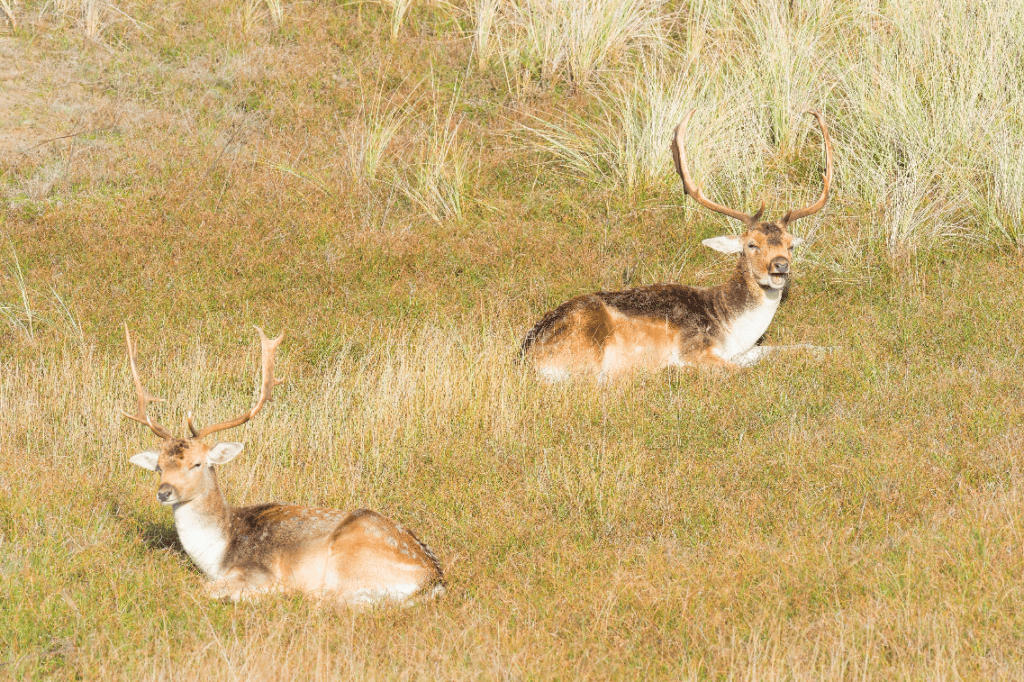
Victoria has a large deer population, mostly made up of sambar, fallow and red deer. The GMA says deer hunting is popular in the state and most deer hunting occurs in eastern Victoria, reflecting deer distribution.
Deer are also causing real problems.
The Victorian Deer Control Strategy was created to reduce deer impacts on environmental, agricultural and Aboriginal cultural heritage values and public safety. It recognises the need for control, partnerships and better community capacity.
Deer can be a valued hunting resource and still cause serious damage in the wrong places. Those ideas can sit in the same sentence without the walls falling in.
A sambar hunted legally in state forest, a fallow deer damaging a vineyard and a small hog deer population near Gippsland are not the same management problem. Treating all deer, all hunters and all landholders as one flat political argument produces poor policy.
Eradication talk needs discipline
There are places where deer should be removed hard. Isolated populations, sensitive conservation areas, public safety hotspots and agricultural damage zones may need targeted control.
That is different from pretending statewide eradication is a practical policy.
Share this article

 Website
 Instagram
 Facebook
Related
Articles





Related
Recipes