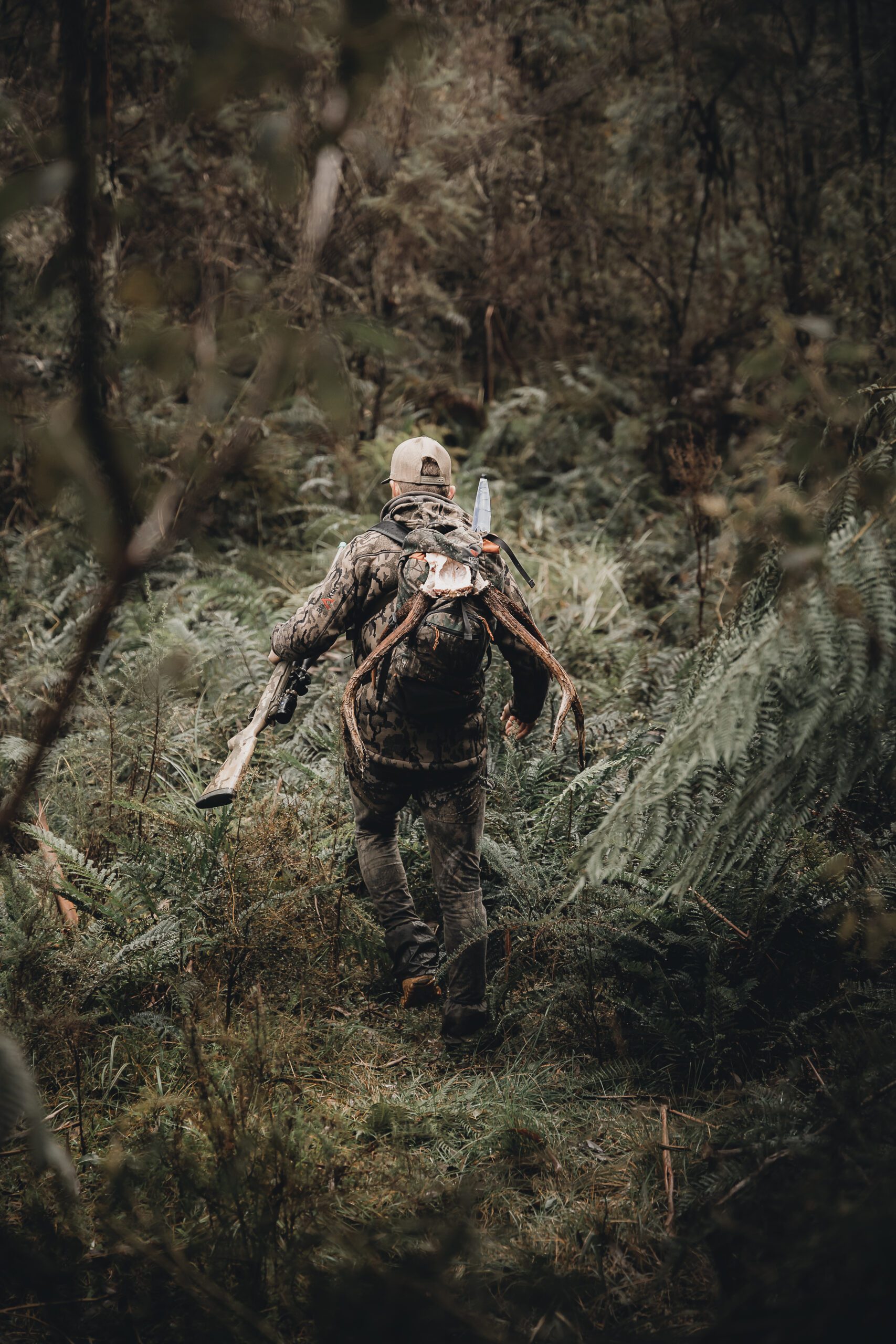
Australian Hunter 97 is out now!
This edition makes one thing clear – conservation in Australia isn’t passive, and it isn’t achieved by simply locking land away.
Across the country, introduced and overabundant species continue to place serious pressure on native ecosystems – from feral cats, pigs and foxes to rabbits, wild dogs, deer and kangaroos, as well as wildfowl and other birds. These are not abstract issues, but ongoing management challenges requiring sustained intervention. Hunters already contribute significantly to this work, investing time, money and expertise to reduce invasive species and support habitat management across both public and private land.

That contribution is often overlooked, but it is tangible and ongoing. The stories in this issue reflect what is happening in the field – conservation here is applied, not theoretical. It depends on people who understand the land, the species being managed, and the necessity of population control as part of ecosystem health.
There is also a practical conversation to be had about access to land and how conservation is delivered – not unrestricted access, but structured, well-managed systems that allow experienced hunters to contribute where it is needed most. This includes SSAA-run initiatives and programs. Without active management, conservation risks becoming a concept rather than a practice.
Internationally, this approach is already well established. In many countries, regulated hunting is recognised as a legitimate conservation tool because it delivers measurable environmental outcomes. Australia faces its own ecological pressures, but the principle remains – invasive species control and active wildlife management are essential.

Alongside these themes, this edition includes gear reviews, recipes and practical content reflecting hunting as a discipline grounded in land stewardship and responsible use.
We also encourage readers to explore recent editions of Great Australian Outdoors, which examine Australia’s broader environmental challenges and tourism. Within that sits an underdeveloped opportunity in hunting tourism – a missed avenue for regional economies and sustainable land use.
Finally, we are proud to launch the new Australian Hunter website – australianhunter.com.au – a dedicated online home for the hunting community, designed to grow with stories, experiences and contributions from across the globe.
The reality is simple – conservation in Australia is already being delivered on the ground. The challenge now is ensuring that role is properly recognised and integrated into future conservation frameworks.
Share this article

 Website
 Instagram
 Facebook
Related
Articles

Weipa hunt draws record field


Watagans pest control highlights missed opportunity for recreational hunters


Related
Recipes
Sorry, no related items found.