

Australia’s feral pig problem: Why no one knows the true numbers
Just how many feral animals are there in Australia? I would respectfully suggest no one knows for sure, give or take a couple of million either way. The issue is nothing new. As far back as 1985, I was offered unlimited hunting on a station north of Alice Springs and told I could not carry enough ammunition to deal with the feral donkey population.
The biggest problem in estimating numbers is isolation. Whether camels, donkeys or pigs, many feral animals live in country that is difficult to access and harder to count. I am not sure what logic the authorities use to arrive at their figures, but terrain, remoteness and cover surely prevent any true certainty.
Donkeys and camels may be easier to estimate in open country, but pigs are another matter entirely.
That scepticism comes from experience. Some years ago, a fenced secondary capital city aerodrome contained a population of hares. In quiet moments, control tower staff, including at least one casual shooter, watched them with high-powered binoculars.
Eventually, a hare collided with a landing aircraft and damaged its propeller. The operator demanded the hares be eliminated, which was not simple given housing surrounded the aerodrome. Experts were called in and decided to shoot them at night under spotlight, using .22 Short cartridges and a suppressor.
I asked my informant how many hares he expected would be taken. Based on his observations, he guessed perhaps a couple of dozen. The experts were given a week. They removed 407 animals.
That figure astounded everyone and proved the point. Here was a fenced population under regular observation, yet no one had the remotest idea of the true number. If that can happen in a controlled area, what hope is there in remote country with heavy cover?
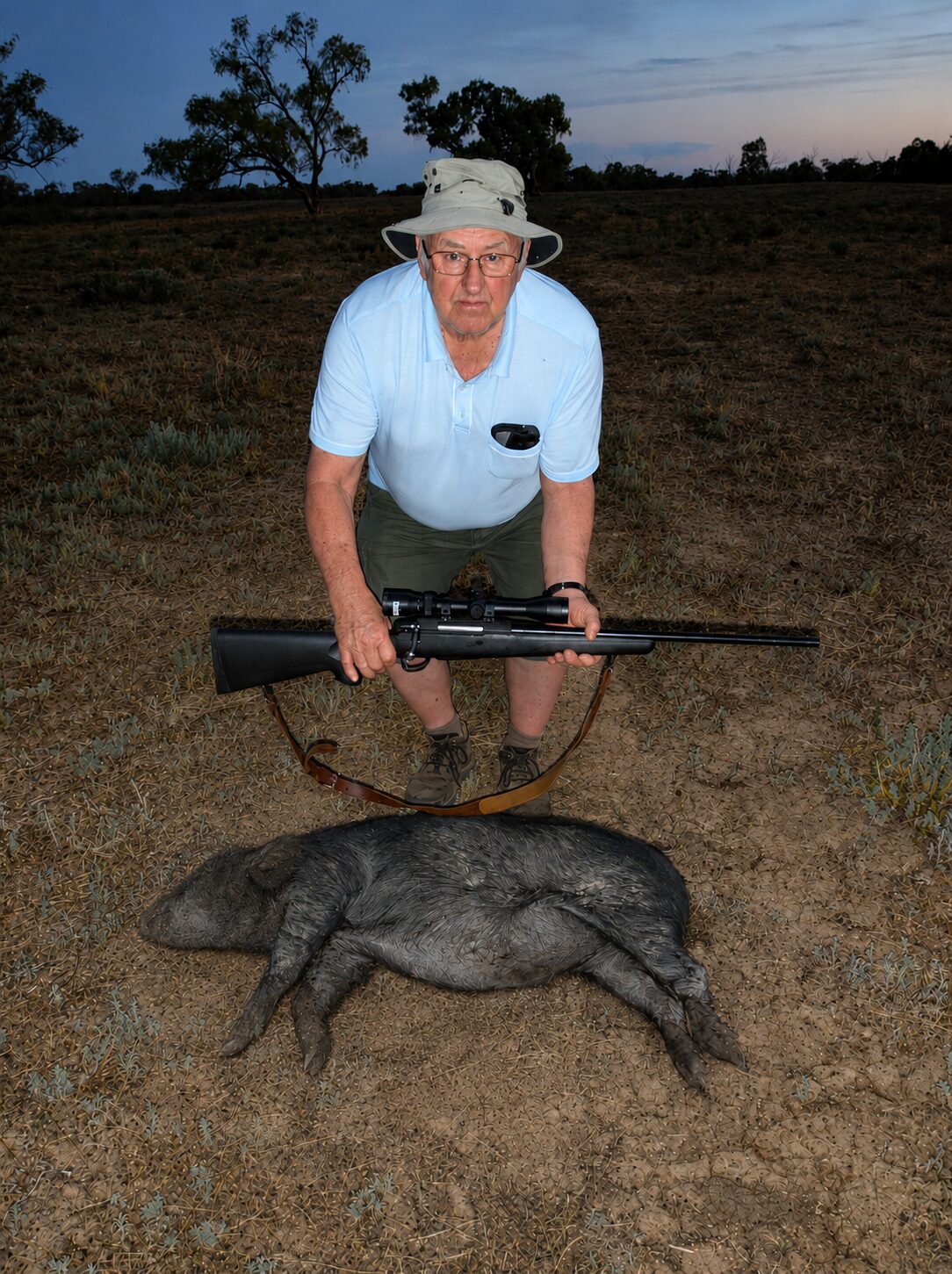
This is particularly relevant to pigs, which often move under cover. Domestic pigs arrived with early European settlement, including the First Fleet in 1788. Some later escaped and established wild populations, becoming a problem in New South Wales by the 19th century. They have remained one ever since.
Feral pig management research suggests about 55-70 per cent of a population may need to be removed each year simply to stop numbers increasing. In that light, it is fair to suggest Australia’s feral pig population remains extremely difficult to control.
There is also an issue no one, particularly government, seems keen to discuss: national parks and protected areas. Large areas of NSW and Queensland are held in national parks and conservation estates, including substantial areas in some western shires.
Public access for shooting or poisoning pigs in national parks is heavily restricted, leaving control largely in the hands of government agencies and approved programs. That creates a major management challenge where feral animals can breed in difficult country with limited outside pressure. Under those circumstances, what hope is there of controlling them under the present approach?
It would be interesting to know just how many pigs live in national parks and protected areas. Perhaps governments would rather not know. The figures might be embarrassing.

It is also possible the rising cost of fuel and reloading components has reduced the impact of non-professional shooters. No one knows how many pigs they cull each year, despite pigs being one of the most hunted animals in the country. Many hunting groups operate in isolation and their results are generally not recorded with any certainty.
Feral animal control is ongoing and must increase if numbers are to be managed. Governments seem to acknowledge the problem, but too often the response falls short of what is needed on the ground. The issue will not go away. In fact, it will likely get worse before it improves. I suspect the reasons are financial, practical and political, combined with an inability to agree on how best to tackle it.
Animal rights activists, often from urban environments, continue to decry culling. They do not have to live with the damage and rarely offer practical alternatives, yet their voices are heard. Meanwhile, the cost to rural communities continues to climb.
Is there a long-term solution, or at least a way to gain some control? I doubt any single method will work. The problem is too large, too widespread and too expensive. A multi-pronged approach is the only realistic option.
The first issue must be national parks and protected areas. On one hand, there is a need to control feral animals. On the other, large areas can become effective breeding refuges if control is limited, underfunded or too infrequent. That is a ludicrous situation.
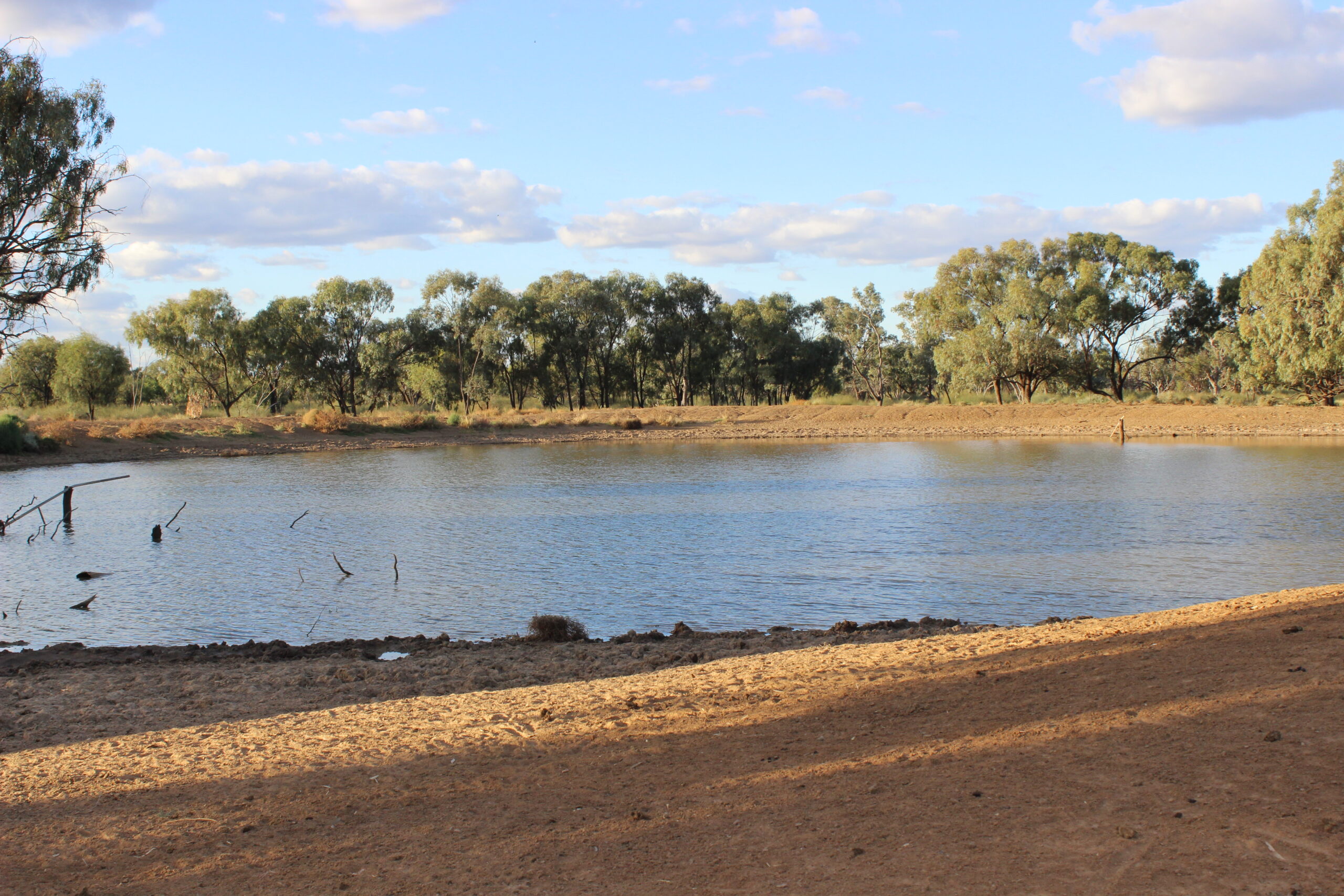
As a start, governments could close selected areas for limited periods and allow controlled access to responsible recreational hunters during summer. Water is the key. Pigs need it to survive and spotlighting dams during hot weather produces results. Parks could be divided into blocks, each with a water source, and hunters held accountable for their actions. There has to be a way to identify responsible groups and use them effectively.

Professional aerial shooting is already used in Australia as part of coordinated feral pig control, particularly in remote or difficult country where ground access is limited. It can be effective when conducted by skilled pilots and accredited shooters, but it is not a standalone answer. The cost of helicopters, fuel, personnel and ammunition means it has to be targeted carefully and used alongside other methods such as trapping, baiting and ground shooting.
Poison is not an option in my view. It is non-specific and no one can say with certainty how many other animals may be killed. Nor do I believe there are enough professional shooters in Australia to deal with a problem spread across such vast and remote country.
The simple fact is the problem will not go away. Ignoring it only makes it worse. I was approached about feral donkeys nearly 40 years ago, which suggests how long these issues can persist. As for camels, some have been successfully exported, but that has not solved the broader problem.
With pigs, water remains the biggest natural control. Drought knocks their numbers around, but when rain returns, breeding accelerates again.
A bounty has also been suggested for each feral animal culled. That would cost governments millions of dollars, although some of that cost may be offset by savings in agricultural production currently being lost.
What is obvious is that even partial control will require a change in thinking from governments and their departments. The problem is real, costly and growing. Pretending otherwise will not make it disappear.
Share this article
Related
Articles

Weipa hunt draws record field


Watagans pest control highlights missed opportunity for recreational hunters

Hunting monster boars and Outback ferals
Related
Recipes