

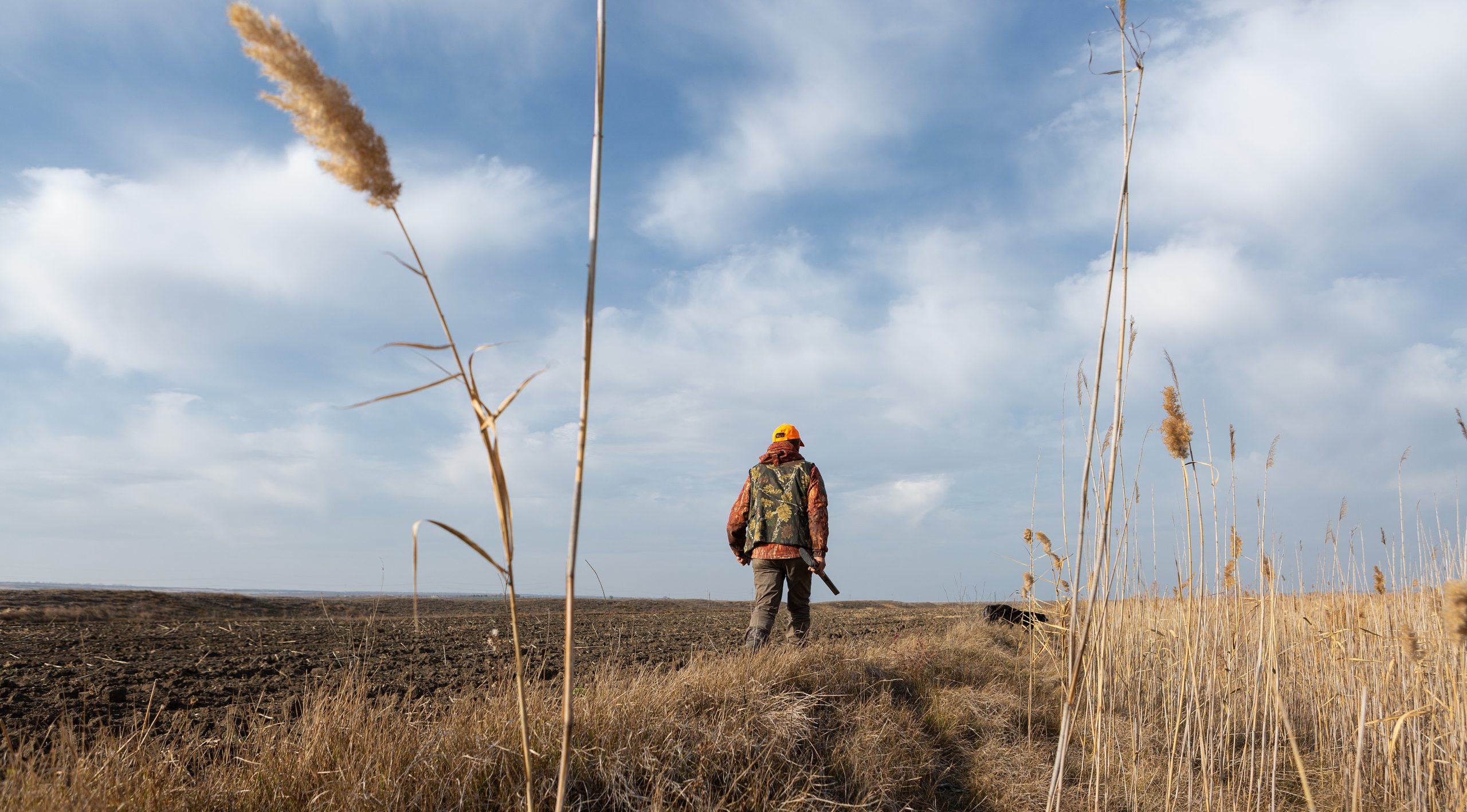
Farmer Assist: Connecting hunters with landholders
My calendar’s been busy lately and it’s been one of those periods where I can clearly see momentum building, after updating the SSAA Farmer Assist website and developing our Activity Log. Since then I’ve had the chance to get out and about, speak directly with landholders and continue pushing the Farmer Assist program into new spaces. This includes attending the Tocal Field Days in NSW and achieving a major milestone event in Tasmania.
Tocal Field Days brought together a wide cross-section of the agricultural community including farmers, service providers, government representatives and, importantly, people who are actively looking for solutions. That’s exactly where our Farmer Assist program fits.
Farmer Assist displayed a strong presence alongside Vertebrate Pest Managers Australia and one of their pest control contractor members. This collaboration highlighted something I’ve been saying for a while now, that solving pest animal problems isn’t about one group working in isolation. It’s about coordination, capability and having the right people connected and involved in pest management work.
The conversations we had with landholders reinforced that message. Across the board there’s a clear and growing demand for practical help. Landholders need people who’ll turn up, do the job safely and make a difference. Many of them are dealing with increasing pressure from species like pigs, foxes, wild deer and rabbits and are looking for options both accessible and reliable.
Farmer Assist continues to resonate as it offers a structured way to meet that need: It’s simple in concept yet powerful in application. Landholders just list their property and requirements then registered, accredited SSAA members can apply to help out. The landholder stays in control at every step, including who comes on to their property, when and under what conditions.
What stood out at Tocal was just how quickly people grasped that value. Once they understood the program is free for landholders, backed by insured and accredited volunteers and designed to be a simple process, the response was overwhelmingly positive. Just as importantly, it reinforced that our members aren’t just participants in hunting, they’re contributors to land management outcomes. That message is only going to grow stronger as we continue to build data through the SSAA Activity Log, capturing the hours, effort and real-world results being delivered on properties across the country.

While Tocal was about reinforcing and expanding awareness in the Hunter Valley, a major step for Farmer Assist happened further south. On May 12, I headed to Tasmania for the official launch of a new partnership between Farmer Assist and the Tasmanian Government. This was a significant development and one which reflects the increasing recognition of what structured volunteer programs can achieve when properly supported.
The island state presents its own unique challenges when it comes to pest animals. Wallabies, possums, wild deer and other species are creating ongoing issues for landholders, making the need for coordinated, scalable solutions crystal clear. This partnership is about taking the Farmer Assist model and embedding it within a broader state pest management framework.
It’s also a strong signal that governments can be willing to work with organisations like SSAA to harness the skills, experience and capacity of our membership base. That’s something we should all take note of. For years our members have been contributing quietly on the ground and now, we’re seeing that contribution recognised and formalised in ways which open up new opportunities.
For members this means more chances to become involved in pest management, while for landholders it means improved access to capable, volunteer assistance. And for the broader community, it means better results when it comes to managing pest animal impacts.
There’s still plenty of work ahead but if the response at Tocal is anything to go by, and with Tasmania now moving forward, the direction is clear. Farmer Assist is growing, the model is working and the role of SSAA members in delivering real, measurable outcomes is becoming harder to ignore.
Share this article

 Website
 Facebook
Related
Articles

Weipa hunt draws record field


Watagans pest control highlights missed opportunity for recreational hunters


Related
Recipes
Sorry, no related items found.