

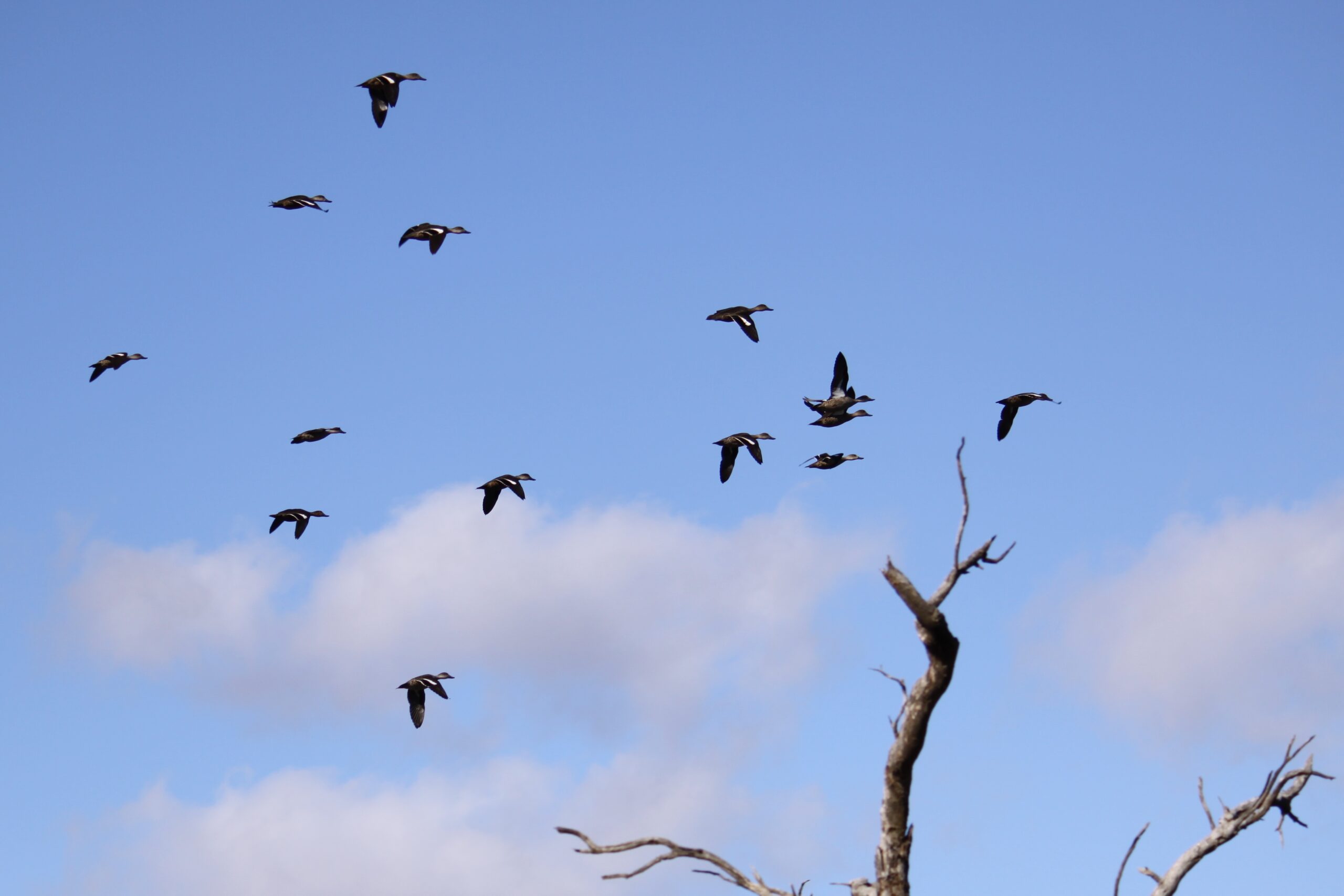
H5N1 avian influenza: Staying alert, not alarmed
The recent detection of highly pathogenic avian influenza (H5N1) in Australia has understandably generated concern among waterfowl and quail hunters. As discussions begin about what this could mean for future game bird seasons, we believe it is important to separate speculation from evidence and look at how countries with years of experience managing the disease have responded.
The key message is simple: stay alert, not alarmed.
Australia is not the first country to face H5N1 in wild birds. North America, Europe and the United Kingdom have all managed widespread outbreaks over recent years, providing valuable real-world examples of what works.
What has happened overseas?
Despite H5N1 becoming established in wild bird populations, governments have generally not responded by cancelling entire duck or waterfowl hunting seasons.
Instead, they have adopted targeted management strategies designed to protect both wildlife and domestic poultry while allowing recreational hunting to continue where it is safe to do so.
These measures have typically included:
- Enhanced surveillance of wild bird populations
- Hunter education and biosecurity guidelines
- Restrictions on moving birds, equipment and vehicles from outbreak areas
- Temporary closures of specific wetlands or disease-control zones
- Restrictions on game bird releases and commercial game bird operations.
The emphasis has consistently been on managing risk rather than imposing blanket bans.

Lessons from North America
The United States has experienced widespread H5N1 in wild waterfowl since 2021. Throughout this period, regular duck hunting seasons have continued across most states.
Wildlife agencies instead focused on educating hunters about recognising sick birds, reporting unusual mortalities, using appropriate hygiene practices when handling harvested birds and cleaning equipment before moving between hunting areas.
Hunter-harvested waterfowl have also contributed to surveillance and scientific research, helping authorities detect and better understand the movement of avian influenza viruses.
Canada adopted a similar approach. Although H5N1 became widespread in migratory birds, hunting seasons generally remained open while authorities provided practical advice on handling harvested birds safely and avoiding birds that appeared sick.
The United Kingdom and Europe
Across Europe and the UK, authorities have managed some of the world’s largest H5N1 outbreaks involving thousands of detections in wild birds.
Rather than implementing widespread hunting bans, governments primarily relied on:
- Disease-control zones
- Poultry protection measures
- Movement restrictions
- Enhanced surveillance
- Biosecurity requirements.
Where restrictions were necessary, they were generally targeted to affected areas rather than applied nationally.

Australia’s own experience
Australia has already demonstrated a similar risk-based approach.
During Victoria’s 2025 outbreak of H7N8 highly pathogenic avian influenza, authorities established quarantine and disease-control areas around affected poultry properties. Movement restrictions were progressively reduced and ultimately lifted after the outbreak was successfully eradicated.
H7N8 is a different strain from the H5N1 virus now detected in Australian wild birds. However, the Victorian response reflected the same underlying principle adopted overseas – apply controls where the disease exists while minimising unnecessary disruption elsewhere.
What could this mean for future seasons?
Should H5N1 become established more broadly in Australian waterfowl, overseas experience suggests the most likely management response would include:
- Increased surveillance and monitoring of wild bird populations
- Practical biosecurity guidance for hunters
- Temporary closure of affected wetlands or declared control zones
- Restrictions on moving harvested birds from infected areas.
A nationwide cancellation of duck hunting remains possible if circumstances warranted it. However, international experience indicates that recreational hunting can generally continue when supported by sound biosecurity measures and targeted disease management.
Any Australian response would ultimately depend on where the virus was detected, the species involved, the extent of its spread and the advice of animal health, wildlife and public health authorities.
Hunters have an important role
Hunters are often among the first people to spend significant time in wetlands during the season and can make an important contribution to disease surveillance.
Reporting sick or dead birds, avoiding the harvest of visibly unwell birds, following cleaning and disinfection procedures and complying with any local restrictions all help support Australia’s broader biosecurity efforts.
Hunters should not handle birds found sick or dead. Unusual illness or multiple bird deaths should be reported to the relevant authorities, including the Emergency Animal Disease Hotline on 1800 675 888.
Responsible hunters have long demonstrated their commitment to sustainable wildlife management. H5N1 presents another opportunity for the hunting community to be recognised as part of the solution rather than simply observers of the problem.

Looking forward
With recent H5N1 detections in Western Australia and South Australia, discussion around possible impacts on future hunting seasons has already begun. However, at the time of writing, no Australian jurisdiction has announced a broad cancellation of game bird hunting as a result of these detections.
The experiences of the US, Canada, UK and Europe provide an encouraging perspective. Despite managing far larger and longer-running H5N1 outbreaks, these countries have overwhelmingly relied on surveillance, targeted restrictions and practical biosecurity measures rather than blanket hunting bans.
SSAA Inc and Australian Hunter will continue to follow developments closely and support responses based on scientific evidence, sound biosecurity and the circumstances in each affected area.
For hunters, the message is clear: stay informed, report sick or dead birds, follow any biosecurity advice and be prepared to adapt if local conditions require it – but there is no reason to assume that H5N1 automatically means the end of game bird seasons.
Share this article

 Website
 Facebook
Related
Articles


Weipa hunt draws record field
Related
Recipes