
Trophy import bans miss the point
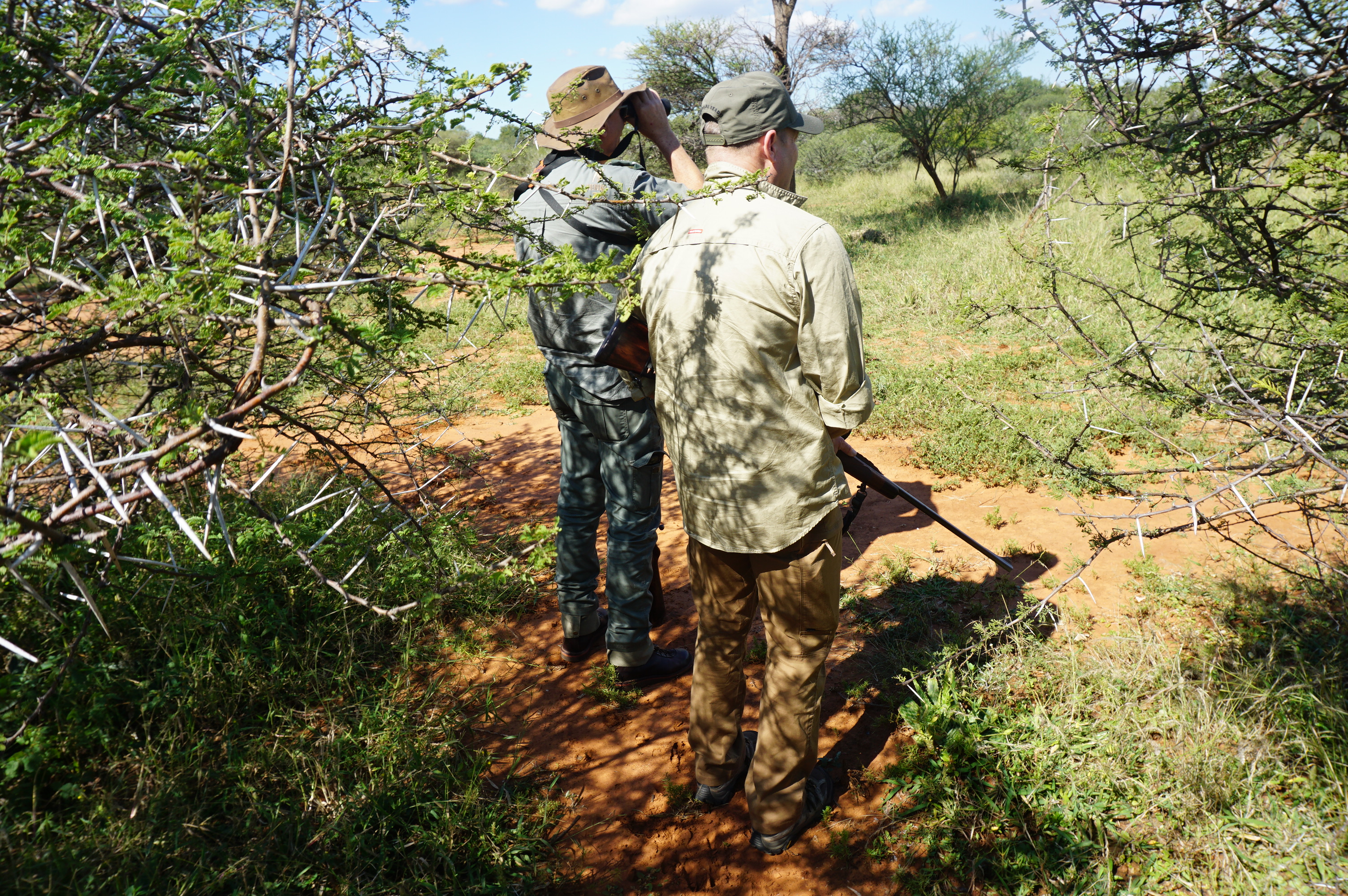
International hunting is often portrayed in the media as simply the killing of animals for trophies. In reality, regulated hunting plays a far more complex role in wildlife conservation and rural livelihoods in many parts of the world. In remote regions, particularly parts of Africa, regulated hunting provides employment for local people who may have very limited economic opportunities.
Hunting operations employ trackers, guides, camp staff, drivers and wildlife scouts, while communities also receive income through hunting concessions and wildlife management programs. These jobs exist because wildlife has economic value. When hunters visit these regions, they bring income which supports local businesses, conservation programs and local communities.
This economic value is important. In areas where wildlife damages crops, threatens livestock or competes with land used for farming, local communities need a reason to tolerate animals on their land. Where wildlife generates income through regulated hunting, it becomes a resource worth protecting rather than a burden to remove. When that value disappears, habitat which once supported wildlife can quickly be converted to agriculture or livestock production.
For hunters themselves, the trophy is only a small part of the overall experience. The real reward lies in the hunt, in tracking animals, spending time in remote landscapes and testing skills in unfamiliar surroundings. Hunters who travel overseas invest heavily in these experiences, often paying for flights, permits, guides and accommodation. For many, these trips are once-in-a-lifetime adventures and that’s why proposals to ban the import of trophies into Australia are unlikely to reduce hunting itself.
Sections of the media and anti-hunting lobby groups argue that preventing Australians from bringing trophies home will discourage them from travelling abroad and, ultimately, reduce the number of animals hunted. However, most hunters know the trophy itself is only a small reminder of the overall experience.
A hunter willing to invest in an international outing is unlikely to cancel purely because they can’t bring a mounted head or hide home. The hunt will still happen and the animal will still be harvested, the only difference is the physical trophy remains in the country where the hunt took place.

Modern technology also means trophy import bans may have little practical impact. High-resolution photographs and 3D scanning can easily capture the detail of horns, skulls or other trophies. These digital files can then be used to create replicas, using 3D printing or casting techniques when the hunter returns home.
Some hunters already display replica skull mounts or sculpted reproductions instead of traditional taxidermy. If import bans become stricter, many will simply switch to locally (Australian) produced replicas. In effect the animal will still be hunted, yet the trophy displayed at home may simply be a 3D-printed version rather than the original horns or skull.
Where the real consequences of a trophy import ban may be felt is in the communities where hunting occurs. If trophy exports decline due to restrictions imposed in countries like Australia, the revenue which supports jobs and conservation programs will reduce. Workers who rely on hunting operations for employment could lose their livelihoods.
In regions with few alternative economic opportunities, this can create serious problems. Illegal hunting and bushmeat trade are often driven by economic necessity. When wildlife loses its economic value and local jobs disappear, the incentive to protect animals can also disappear. Trophy import bans therefore risk targeting the symbol of hunting rather than addressing the realities of conservation.
If hunters continue travelling overseas and animals continue to be harvested under regulated systems, the policy achieves little in terms of reducing hunting. Meanwhile, communities living alongside wildlife may lose jobs, income and incentives to support conservation. Wildlife conservation works best when animals have real value to the people who share the landscape with them.
Policies which ignore that reality risk weakening the economic systems which help keep wildlife and wildlife habitat intact. Our government should reject inner-city lefty ideology that’ll only hurt some of the most vulnerable people (and animals) on earth.
Share this article

 Website
 Facebook
Related
Articles


Related
Recipes
Sorry, no related items found.