

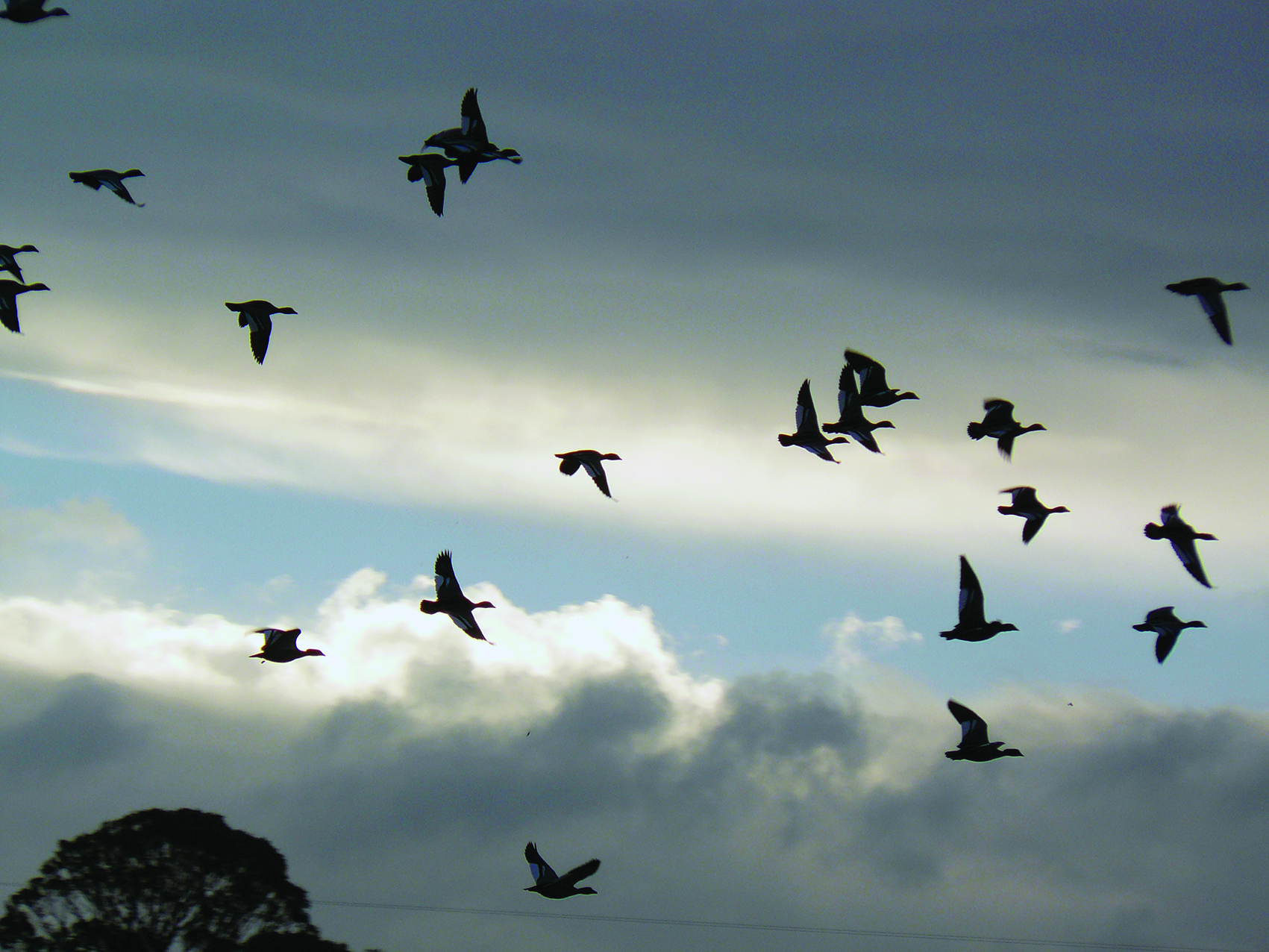
What bird flu could mean for duck hunters
The Australian Government is investing more than $100 million to further prepare and protect the nation against a strain of avian influenza which carries significant risks for our agricultural industries, our unique wildlife and the national economy.
If high pathogenicity avian influenza (HPAI) H5N1 enters Australia, ‘bird flu’ cases will certainly develop in our duck populations. Hunters should be aware of how this disease impacts wildlife and, potentially, our hunting experience as bird flu affects ducks, other waterfowl and even some mammals. Understanding how it spreads and what it means for duck populations and ecosystems can help hunters prepare for potential changes in hunting seasons, ensure safety in the field and play a part in monitoring this environmental challenge.
Bird flu refers to several strains of avian influenza, a virus primarily affecting birds but capable of impacting other species. Wild ducks are natural hosts for avian flu and can carry the virus without showing symptoms, spreading it to other waterfowl and bird species. The virus spreads via bird-to-bird contact, contaminated water and even through bird droppings and feathers.
When migratory species carry bird flu across large distances, they introduce the virus to new areas with the risk of spreading it to resident ducks and poultry farms. Hunters who observe wild duck behaviours or visit multiple regions are in a unique position to spot and report unusual patterns, supporting monitoring efforts.
The virus has the potential to impact our native bird populations and can cause sickness and death in affected birds, leading to lower population numbers. The worst-case scenario would be an outbreak causing a mass die-off among wild waterfowl, which may influence hunting seasons or even lead to temporary restrictions on harvest.
Hunters may also see changes in duck movements or breeding patterns, as bird flu affects population health and behaviour. Staying informed by checking for updates from wildlife authorities can help anticipate changes to hunting seasons or any additional measures taken to protect both ducks and hunters.
While this virus primarily affects birds, outbreaks among waterfowl can extend risks to other species. Domestic poultry, particularly chickens, are susceptible and cross-infection can lead to significant impacts on the poultry industry. Other wild bird species may also contract the virus, affecting broader ecosystems. In some cases even mammals which interact with infected ducks (dogs, foxes, scavengers) are at risk and while humans can catch it, they can’t infect other humans.

For hunters, taking certain precautions when handling and processing game can reduce the risk of contamination. Here are a few key tips:
Wear gloves and clean thoroughly: When handling ducks or other game, wear disposable gloves and clean all tools and surfaces afterwards. Use a solution that kills viruses, such as diluted bleach.
Avoid sick-looking birds: If you notice any ducks behaving abnormally, such as difficulty flying or signs of lethargy, avoid handling them and consider reporting to local wildlife authorities.
Cook game properly: Ensure all game is thoroughly cooked to kill any pathogens.
By following these steps, hunters can enjoy their activities safely while helping prevent the spread of avian flu to other animals or humans.
As bird populations across the world continue to be affected, Australia is lucky to remain free of the H5N1 strain at time of writing, though sadly it’s only a matter of time until it arrives here. When it does, hunters will play an important role in monitoring wildlife health and adapting to any regulations introduced to protect vulnerable species. Staying informed about local cases, following safety protocols and co-operating with wildlife agencies can ensure hunting practices remain safe, sustainable and beneficial for both hunters and the environment. For more on the Australian Government’s response to the threat, visit birdflu.gov.au.
Share this article

 Website
 Facebook
Related
Articles


Weipa hunt draws record field
Related
Recipes