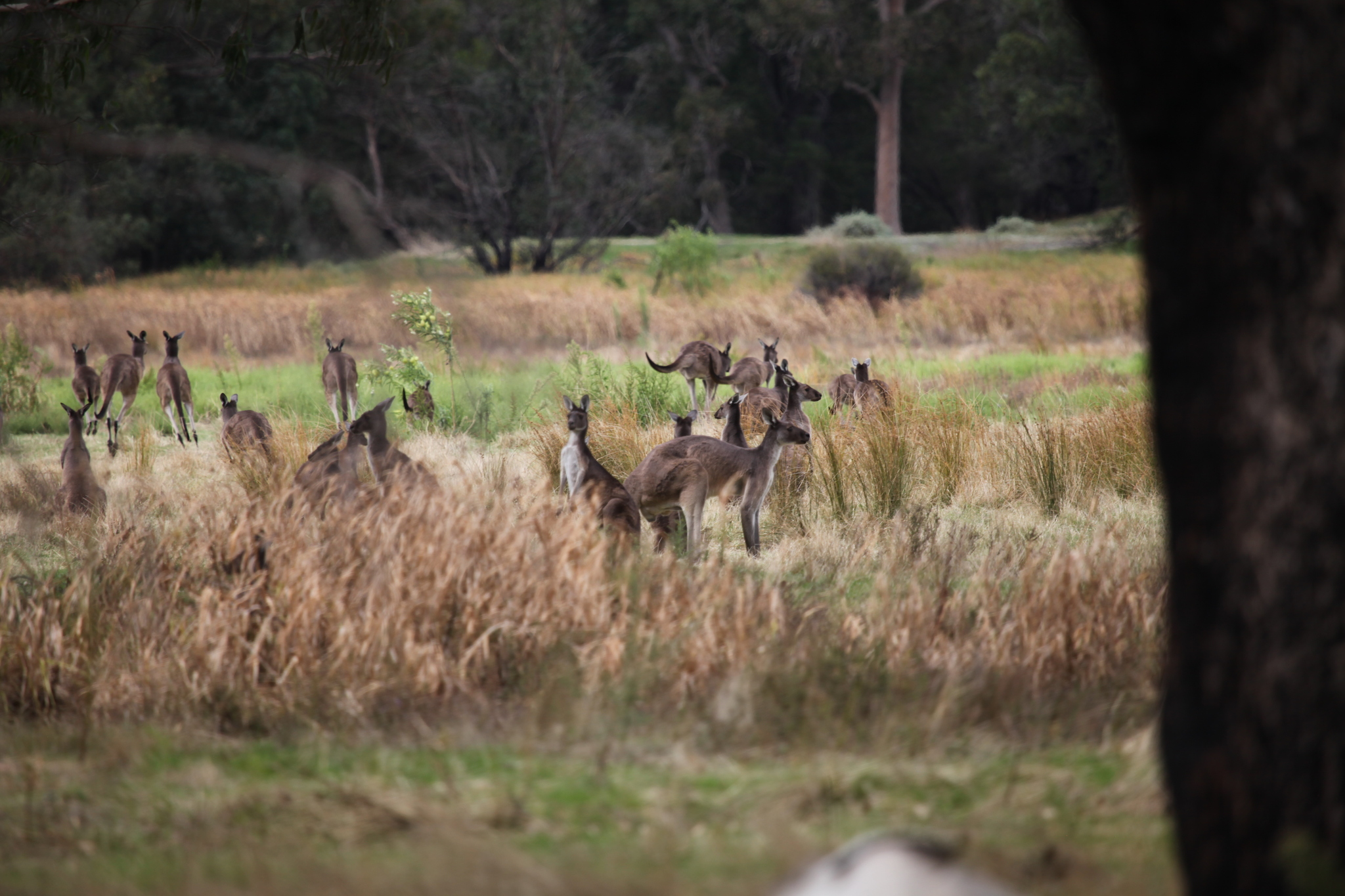
EU kangaroo import bans explained
Continuing my review of Neal Finch’s report on Wild Game Harvesting in Europe (see UK deer management lessons for Australia, French hunting and game meat lessons and Europe’s game meat model examined) let’s now explore the powerful political and regulatory influence of the European Union (EU) on wildlife policy, particularly how Brussels (effectively the EU’s political capital) shapes wildlife trade and hunting regulations across the continent. Although member states retain legislative control over hunting laws, EU directives and regulations often dictate the broader framework under which national laws must operate. As a result, Brussels is home to a dense network of lobby groups and NGOs which are either supportive or critical of hunting, seeking to influence EU policy.
Among the most prominent animal rights groups in the Belgian capital is the Eurogroup for Animals, a well-funded not-for-profit outfit which campaigns on animal welfare issues across the EU. Eurogroup acts as the secretariat to the EU Intergroup on the Welfare and Conservation of Animals, playing a central role in shaping debates and policy positions on animal welfare. One of its flagship campaigns has been to end commercial harvesting of kangaroos in Australia, by banning imports of kangaroo products into the EU. The organisation claims up to 40 per cent of kangaroos are shot contrary to legal requirements and also label the harvest as cruel and unregulated.
In 2022 Eurogroup submitted Petition 0408/2022 to the European Parliament, citing animal welfare concerns, conservation risks and public health fears. The petition alleged Australian government population estimates for kangaroos were inflated and the commercial harvest posed a threat to species survival. While the petition was ultimately not passed, it remains open for further consideration.
Then in November 2024 Eurogroup released a briefing called ‘The Brussels Effect’, referencing the EU’s global influence in setting regulatory standards. The briefing urged the EU to use this influence to ban kangaroo product imports, based on the group’s claims of animal cruelty and ecological harm.
Concerned by inaccuracies in these assertions, Finch arranged a meeting with Eurogroup’s Wildlife Program Leader. Drawing on more than a decade of experience regulating the kangaroo harvest in Queensland, he challenged the Eurogroup’s evidence and offered to share peer-reviewed data. They agreed to maintain an open dialogue, reinforcing Eurogroup’s stated commitment to being evidence-based, though whether this leads to policy change remains to be seen.
In contrast to Eurogroup, the European Federation for Hunting and Conservation (FACE) is the peak body advocating for Europe’s seven million hunters. Based in Brussels, FACE supports sustainable hunting as a legitimate conservation tool and works with the EU Intergroup on Biodiversity, Hunting and Countryside. It shares the secretariat role with the EU Landowners Organisation, highlighting the collaboration between rural stakeholders and hunters. FACE engages actively with EU institutions such as the European Commission and Parliament to promote policies which recognise the role hunters play in wildlife management.

FACE emphasizes recreational hunters are the primary tool used across Europe for managing abundant hoofed species such as deer and wild boar. Unlike Australia, Europe doesn’t rely on methods like aerial shooting for large vertebrates. Professional wildlife culling exists but is rare, with most animals harvested by licensed private individuals who operate within strict frameworks. These hunters also contribute to disease surveillance, pest control and conservation activities.
To build public awareness and support, FACE launched Game Meat Week in November 2024, promoting the environmental and health benefits of wild-harvested, free-range protein. This continent-wide initiative underscores Europe’s cultural embrace of sustainable hunting and meat utilisation.
Finch also met with staff from the Australian Embassy in Brussels who handle agricultural trade and policy matters, discussing the Australian government’s responses to the Eurogroup’s claims and petitions. The embassy actively works to counter misinformation and ensure EU lawmakers have accurate data on kangaroo management.
Finally he met with the director of Raverco, a specialist game meat importer based in Belgium. Raverco handles a wide range of exotic meats, including kangaroo, and faces a potential crisis due to a bill introduced by the Belgian Green Party following lobbying by local animal rights group GAIA. The bill seeks to ban kangaroo imports, which would negatively impact businesses like Raverco without saving kangaroo lives as non-commercial culling in Australia would continue. Finch consistently argues such bans merely lead to greater waste, undermining sustainability and animal welfare goals.
This topic demonstrates how European politics and advocacy have international implications, particularly for Australia’s wildlife industries. They highlight the importance of engaging in fact-based dialogue to counter misinformation and build shared understanding on complex environmental issues.
Share this article

 Website
 Facebook
Related
Articles


Weipa hunt draws record field


Watagans pest control highlights missed opportunity for recreational hunters


Related
Recipes
Sorry, no related items found.