UK deer management lessons for Australia
As discussed in French hunting and game meat lessons and Europe’s game meat model examined, the report To Explore, Review and Document Wild Game Harvesting in Europe by Neal Finch examines wildlife management practices across several countries, offering valuable insights for Australia. European hunters, whether paid professionals or volunteers, are regarded equally in their capacity to manage wildlife populations while in contrast, our pest management industry largely overlooks the potential contributions of non-professional hunters.
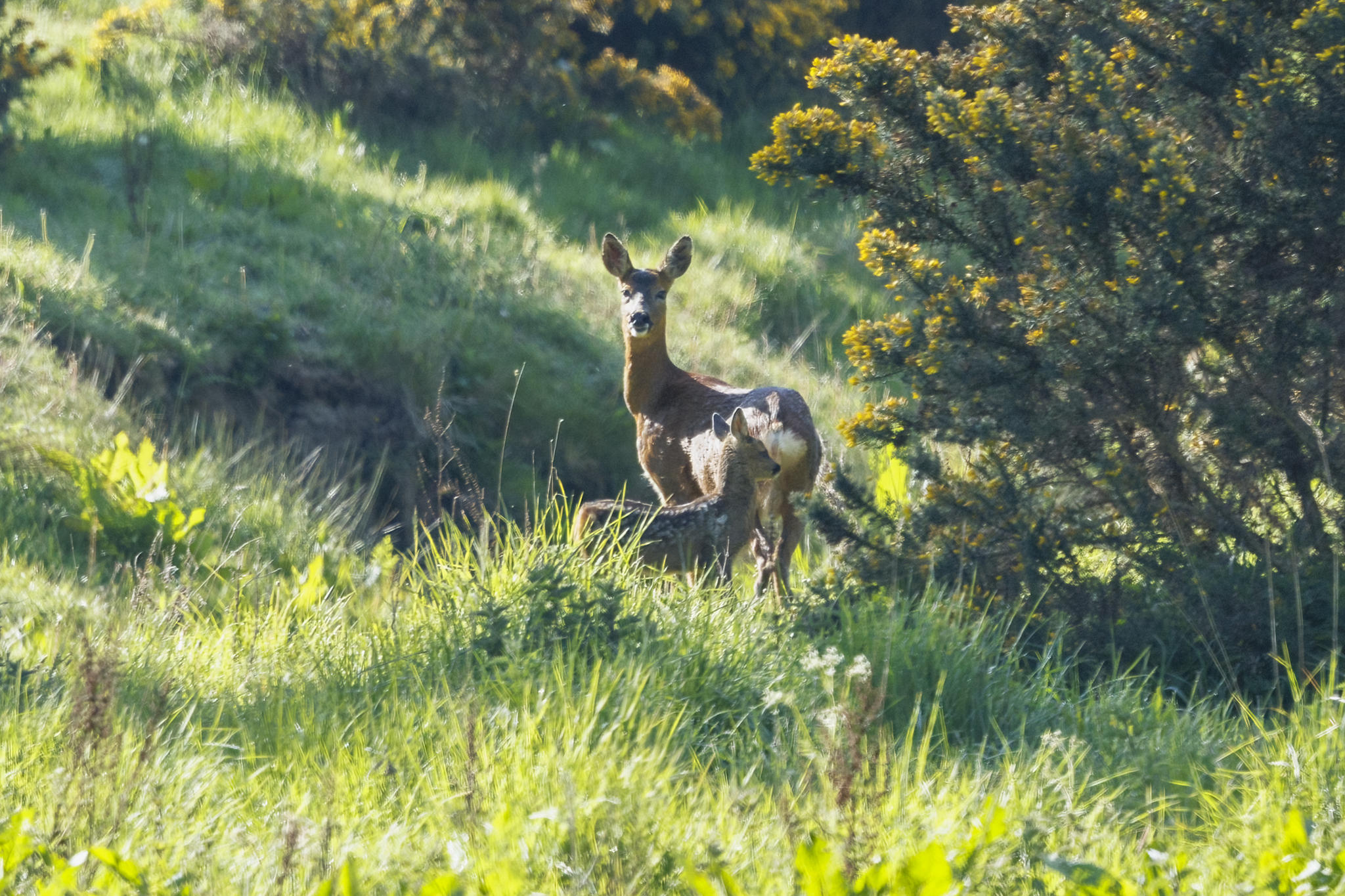
This month we focus on wild deer management in the UK and highlight how populations there are controlled, used and integrated into both conservation and game meat industries. Britain is home to six species of wild deer: red and roe (native), fallow, sika, muntjac and Chinese water deer (introduced), all six now widespread and growing in number. There are no natural predators and minimal environmental constraints on their population growth and it’s widely accepted the UK has more deer now than at any time in recent centuries, estimates suggesting there are around two million.
Despite the lack of formal census data, there’s agreement among stakeholders that wild deer cause a range of problems. These include agricultural and forestry damage, habitat degradation, an estimated 50,000 vehicle collisions a year and public safety risks during rutting season. They also pose welfare challenges when overabundant (including starvation) and may hybridise with native species (eg sika and red deer).
UK deer aren’t privately owned and are managed under national legislation. Laws vary slightly between countries but are generally covered under the Deer Act 1991 (England and Wales), Deer (Scotland) Act 1996 and Wildlife Order 1985 (Northern Ireland). These laws regulate seasons, calibres to be used and culling methods. Closed seasons are designed to protect breeding animals and ensure juveniles are weaned before culling resumes, the exception being muntjac which breed year-round and have no closed season.
In Scotland, deer overabundance has become a significant barrier to conservation goals such as rewilding and carbon sequestration via tree planting. In 2023 the Scottish Parliament removed the closed season for male deer, lowered minimum calibre restrictions and approved night-vision and thermal optics for culling. Permits for night-shooting are easier to obtain in Scotland than elsewhere in the UK, with dogs trained to find wounded deer recommended under official night-shooting guidelines.

Deer management on public and large private estates (e.g. Forestry Commission, National Trust, Defence estates) is often conducted by paid professionals, yet across the broader landscape most are culled by private individuals. Around 500,000 deer are estimated to be culled annually across all tenures, though only about 60,000 of these come from public land. It’s believed 750,000 animals must be culled each year just to stabilise current populations.
Firearm ownership is strictly regulated with county police forces administering the Firearms Act 1968. Prospective deer hunters must demonstrate a genuine reason to own a rifle and training, while not mandatory, is highly recommended and often required by landowners. The Deer Stalking Certificate (DSC) system provides structured education in deer biology, humane shooting and meat hygiene. Since 1998 more than 35,000 individuals have passed the DSC1, with another 3500 completing the more advanced DSC2. The Game Meat Handling Certificate is required to sell venison into the public food chain.
The British Deer Society with around 5500 members promotes deer welfare and supports the training of hunters. It works cooperatively with groups like the RSPCA and offers a Humane Animal Dispatch course for trained volunteers who assist police with deer euthanasia. The British Association of Shooting and Conservation has more than 150,000 members which represents hunters and trains most DSC candidates, its membership including public liability insurance, a major incentive for hunters to join.
The now-defunct Deer Initiative was a collaborative forum bringing together conservationists and land managers, with welfare organisations including the RSPCA (UK) playing an active role in deer policy. Though it opposes hunting for sport, the RSPCA supports lethal control of deer where necessary and advocates full utilisation of carcasses, including participation in the commercial venison industry. This UK model highlights how recreational hunters, industry bodies and welfare organisations can work together to ensure sustainable management and ethical utilisation of overabundant wildlife. Scan the QR code for more on Neal Finch’s report.
Share this article

 Website
 Facebook
Related
Articles


Weipa hunt draws record field


Watagans pest control highlights missed opportunity for recreational hunters


Related
Recipes
Sorry, no related items found.