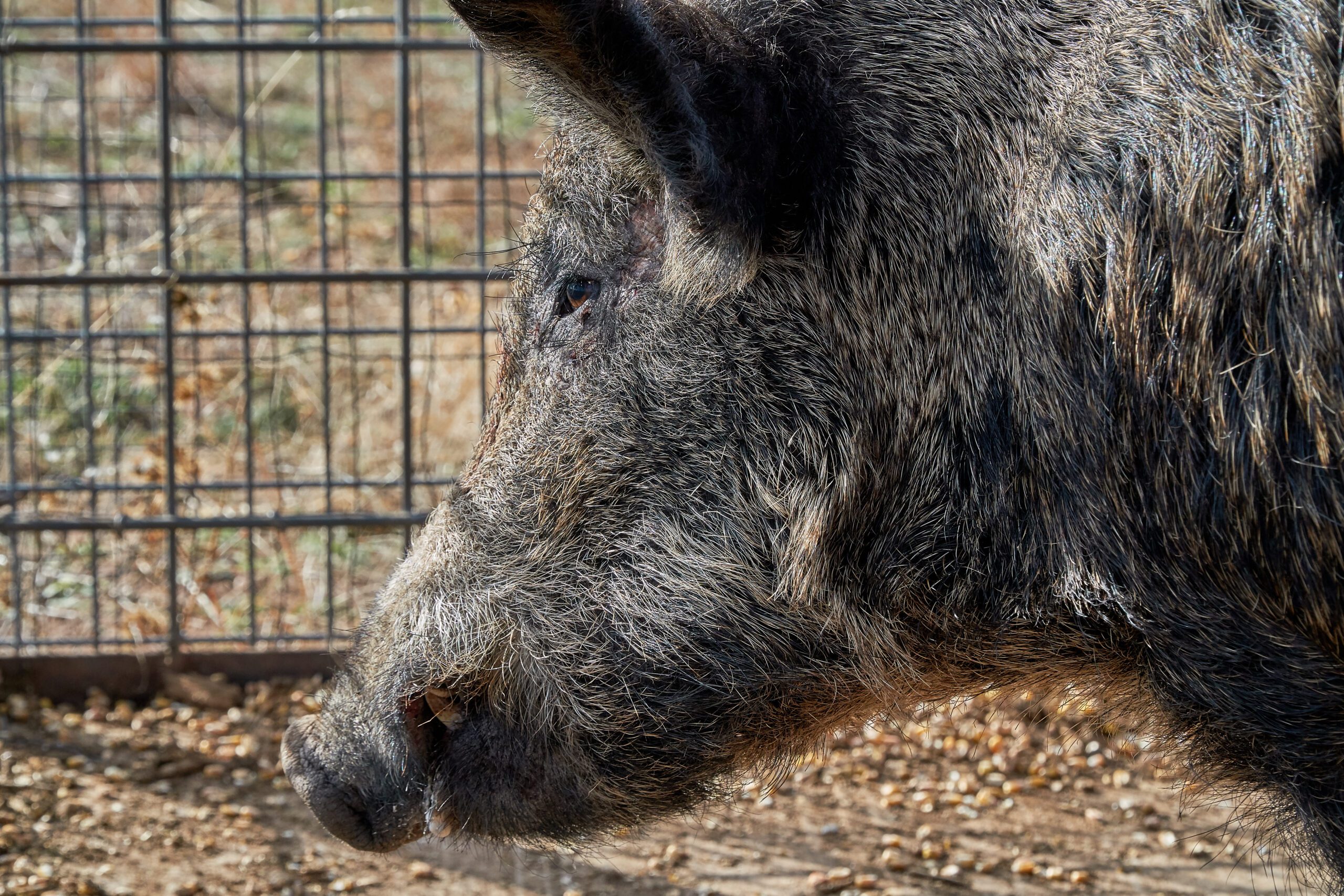
Kangaroo Island declared feral pig-free
More than 220 years after Captain Nicolas Baudin released a boar and sow on Kangaroo Island, the island has finally defeated their feral legacy.
Our story Captain Baudin’s boars of Kangaroo Island, published in the first edition of Great Australian Outdoors, traced how those early pigs became established and spread across the island. At the time, eradication seemed unlikely and containment was considered the realistic goal.
Now, after a five-year eradication effort and two years of intensive monitoring, Kangaroo Island has officially been declared feral pig-free. The program removed 878 pigs and confirmed that none remained.
For hunters, farmers and anyone interested in practical conservation, this is more than a South Australian good-news story. It is a case study in what happens when pest control is properly planned, properly funded and followed through to the end.
Why feral pigs matter
Feral pigs are not just another introduced animal on the landscape. They are heavy, adaptable and destructive. They damage crops, pasture, fences and water points. They prey on lambs and native animals, spread weeds, foul waterways and can carry diseases and parasites that affect livestock, wildlife and people.
On Kangaroo Island, feral pigs were estimated to be costing more than $1 million each year in economic and environmental damage. That is before the harder-to-price losses are counted, such as damage to threatened plants, native habitat and the island’s broader biosecurity status.
For a place like Kangaroo Island, which has long been known for its wildlife and relatively strong biosecurity protections, pigs were a serious problem.

How the program started
The Kangaroo Island Feral Pig Eradication Program began after the 2019-20 Black Summer bushfires. Those fires were devastating, burning large areas of the island and causing major damage to homes, farms, native vegetation and wildlife.
Before the fires, official estimates put the feral pig population on Kangaroo Island at between 5000 and 10,000 animals. The fires reportedly killed about 90 per cent of that population, leaving a much smaller number of pigs spread across difficult country.
That created a narrow and unusual opportunity. Rather than simply reducing numbers and hoping for the best, agencies and landholders aimed for full eradication.
What made the program work
The program used a full pest-control toolkit, including thermal-assisted aerial culling, ground shooting, baiting, trapping, detector dogs, environmental DNA testing and camera surveillance.
More than 500 monitoring cameras assisted by artificial intelligence were used during the program, along with DNA sampling from creeks and rivers to help detect whether pigs remained in the landscape.
That matters because the last animals are always the hardest to find. Removing the first hundreds of pigs is one thing. Proving there are none left is another job entirely.
The last known sows were removed in March 2024. After that, the island entered a ‘proof of freedom’ phase. For two years, high-risk areas were monitored for pigs or pig sign. No detections were recorded, giving authorities confidence that the island was free of feral pigs.
A global result from Australian ground
Kangaroo Island is now being listed as the largest island in the world to eradicate an established feral pig population – a significant achievement.
The island is Australia’s third largest and includes farmland, national parks, forestry areas, private land and remote country. Proving a serious pest program requires cooperation across boundaries.

The program involved the Kangaroo Island Landscape Board, PIRSA, National Parks and Wildlife Service, Agriculture Kangaroo Island, Livestock SA, local landholders and other stakeholders. That mix is important. Pest animals do not respect fence lines, park boundaries or property titles. Successful control usually depends on everyone pulling in the same direction.

What mainland pest programs can learn
Mainland Australia cannot simply copy Kangaroo Island. The ocean gave the program a natural boundary, which is a huge advantage. On the mainland, pigs can keep moving in from neighbouring properties, river systems, wetlands and remote cover.
That said, the lessons still carry weight.
The first lesson is to set a clear goal. Kangaroo Island was not just chasing a seasonal knockdown. It was working towards eradication, followed by proof.
The second lesson is that control must happen at landscape scale. One property doing good work can be undone if surrounding country is not part of the effort.
The third lesson is that multiple tools are needed. Hunting and ground shooting have a place, especially when linked to local knowledge and landholder access. But pigs are smart, mobile and quick to change behaviour. A serious program using multiple avenues, accompanied with surveillance and reporting as well.
The fourth lesson is monitoring matters. Counting dead pigs is not the same as measuring success. The real question is whether pig damage and pig presence have been reduced and whether the population can recover.
Where hunters fit
Hunters should not look at this program and think they are being written out of pest control. Ground shooting was one of the vital tools used and the use of local knowledge remains important in any feral animal program.
But the Kangaroo Island result also shows the value of coordination. Random effort can remove animals, but structured effort changes outcomes.
Hunters, landholders and pest controllers can contribute most when sightings, sign, kills and pressure are recorded and shared. Tools such as Farmer Assist can help build a better picture of where pigs are, where they are moving and where control should be focused.
For mainland pig country, especially in northern Australia, floodplains and agricultural regions, this is where hunting knowledge becomes more powerful. Not just as a rifle in the paddock, but as part of a wider map.
A win worth studying
Kangaroo Island’s feral pig eradication is a major conservation and biosecurity win. It protects farms, native vegetation, threatened species and the island’s long-term pest-free status.
It also proves that pest control is not just about talking tough. It is about funding, access, planning, science, skilled people on the ground and the patience to keep looking after the noise has stopped.
For Australian hunters, the message is clear: effective pest control is not measured only by what is taken on the day. It is measured by what remains in the landscape afterwards.
Kangaroo Island has shown what is possible when the goal is clear and the follow-through is there. Mainland programs may face a much harder job, but the bones of the lesson are the same: work together, use the right tools and do not stop at almost.
Share this article

 Website
 Instagram
 Facebook
Related
Articles


Weipa hunt draws record field

Related
Recipes